
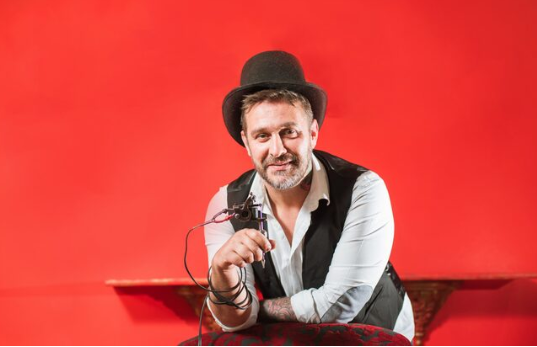

The arrangement is purposefully straightforward in a studio linked to his $14.4 million home in Austin, Texas, where Rogan moved from Los Angeles in 2020 as part of a larger exodus of media figures fleeing California’s tax rates and urban friction. A table, two chairs, a few microphones, and the occasional visitor. No expensive set, no more production workers than are required, and no corporate infrastructure that would make the podcast something that needs institutional administration. The Joe Rogan Experience is arguably the most commercially valuable podcast in audio media history because it functions and looks like a conversation.
As of early 2026, Joe Rogan’s net worth is estimated to be around $250 million. His career began in the late 1980s when he performed stand-up in Boston and grew through television, sports broadcasting, and finally a digital media platform that revolutionized the economics of independent content. It is claimed that he makes between $60 and $65 million a year from the podcast alone, including Spotify license fees, sponsored reads, and YouTube advertising revenue. The Spotify partnership is one of the most important single media contracts of the last ten years thanks to the statistics that result from applying that figure over a multi-year agreement.
| Category | Details |
|---|---|
| Full Name | Joseph James Rogan |
| Date of Birth | August 11, 1967 |
| Estimated Net Worth (2026) | ~$250 Million |
| Annual Earnings (est.) | ~$60–65 Million |
| Spotify Deal (2024 Renewal) | Up to $250 Million (multi-year) |
| Spotify Deal (2020 Original) | ~$200 Million over 3 years |
| Total Spotify Career Earnings (est.) | ~$450 Million |
| Podcast Name | The Joe Rogan Experience (JRE) |
| Started Podcasting | 2009 |
| UFC Commentary Fee | ~$50,000 per major event |
| Residence | Austin, Texas ($14.4M mansion, moved 2020) |
| Investment | Onnit (supplement company) |
| Reference Website | joerogan.com |
The first 2020 Spotify deal was reportedly valued at over $100 million at the time, which appeared out of the norm. The precise terms were made public in February 2022: the transaction was worth $200 million over three years, or about $67 million a year. Not all of that is personal income; part goes toward paying for production expenses, though that amount is far less than it would be for a more complex production due to the JRE’s renownedly simple structure.
Rogan’s yearly earnings from the initial Spotify arrangement are conservatively estimated to be at least $60 million. In addition to the license fees, the 2024 extension, which is projected to be worth up to $250 million, extended the partnership on conditions that made it possible for the program to disseminate beyond Spotify for the first time, reaching Apple Podcasts, YouTube, and other platforms. Rogan will have made an estimated $450 million from that partnership alone by the time both Spotify deals are finalized.
His UFC commentary work, which has been a part of his career since 1997, contributes to the total with a level of consistency that his other sources of revenue don’t quite match in terms of glitz but do in terms of dependability.
Rogan’s pay is thought to be about $50,000 each event, but he no longer works every UFC event because he is picky about which major numbered fights he attends. With fifteen to twenty significant events over the course of a year, it’s a significant addition to the revenue from the podcast and keeps him involved in a sport that has been a part of his identity for longer than the podcast itself.
Even while the podcast takes up the majority of Rogan’s professional profile, he has never completely given up on stand-up comedy as a form of entertainment, earning money from sold-out performances across the nation. Before that interest was eventually purchased by Unilever, his investment in the supplement and fitness company Onnit added another layer to the financial picture. This transaction resulted in a significant return on an investment that had been increasing in value for a number of years.
Although the scale is impressive, the path is what makes the Rogan financial tale truly fascinating as a case study. The typical media executive career path is not followed. There was no network that made investments to develop his brand, nor was there a corporate ladder ascended.
After 10 years of developing the podcast mostly through free distribution on YouTube and iTunes, with Rogan maintaining low overhead and continuous content, the first Spotify arrangement was secured in 2020. It wasn’t because the show was promoted that the audience found it; rather, it was because it was good. By the time Spotify showed in with hundreds of millions of dollars, Rogan had all the negotiating power because Spotify required access to his audience, which was created on his own infrastructure, more than he needed their platform.

