

Tungsten is a silver-white metal with a steel-like appearance and a melting point of 3422°C, the highest of all metal elements. Because of its a series of excellent properties such as high melting point, high hardness, high density, good electrical and thermal conductivity, and low expansion coefficient, tungsten is widely used in many fields. In this article, let’s take a look at the applications of tungsten.
Application of Tungsten in the Alloy Field
Tungsten-containing Steels
The hardness of tungsten is very high, and the density of tungsten is close to gold, so it can improve the strength, hardness, and wear resistance of steel. It is an important alloy element and is widely used in the production of various steels.
Common tungsten-containing steels include high-speed steel, tungsten steel, and tungsten-cobalt magnetic steel. These steels are mainly used to manufacture various tools, such as drills, milling cutters, wire drawing dies, etc.
Tungsten Carbide Based Cemented Carbide
Tungsten carbide has high wear resistance and refractory, and its hardness is close to the diamond, so it is often used in some cemented carbide. At present, tungsten carbide-based cemented carbide is the largest consumer field of tungsten. This cemented carbide is a powder metallurgy product sintered by tungsten carbide micron-sized powder and metal binder in a vacuum furnace or hydrogen reduction furnace.
Tungsten carbide-based cemented carbide can be roughly divided into four categories: tungsten carbide-cobalt, tungsten carbide-titanium carbide-cobalt, tungsten carbide-titanium carbide-tantalum carbide (niobium)-cobalt, and steel knot cemented carbide. These tungsten carbide-based cemented carbides are mainly used to manufacture cutting tools, mining tools, and wire drawing dies.
Heat-resistant High-strength Wear-resistant Alloy
Tungsten has the highest melting point of all metals, and its hardness is also very high, so it is often used to produce heat-resistant, high-strength, wear-resistant alloys.
For example, alloys of tungsten and chromium, cobalt, and carbon are commonly used to produce high-strength and wear-resistant parts such as aircraft engine valves and turbine wheels. Alloys of tungsten and other refractory metals such as tantalum, niobium, molybdenum, and rhenium are often used to produce high-heat-strength parts such as aerospace rocket nozzles and engines.
High-density Alloys
Because of its high density and high hardness, tungsten has become an ideal material for making high-density alloys. These high-density alloys are divided into W-Ni-Fe, W-Ni-Cu, W-Co, W-WC-Cu, W-Ag, and other main series according to their composition characteristics and use.
This type of alloy has the characteristics of large specific gravity, high strength, strong radiation absorption ability, large thermal conductivity, small thermal expansion coefficient, good electrical conductivity, good weldability, and workability and is widely used in aerospace, aviation, military, oil drilling, electrical instrumentation, medicine, and other industries.
Application of Tungsten in the Field of Electronics
Tungsten has strong plasticity, low evaporation rate, high melting point, and strong electron emission ability, so tungsten and its alloys are widely used in the electronics and power supply industries.
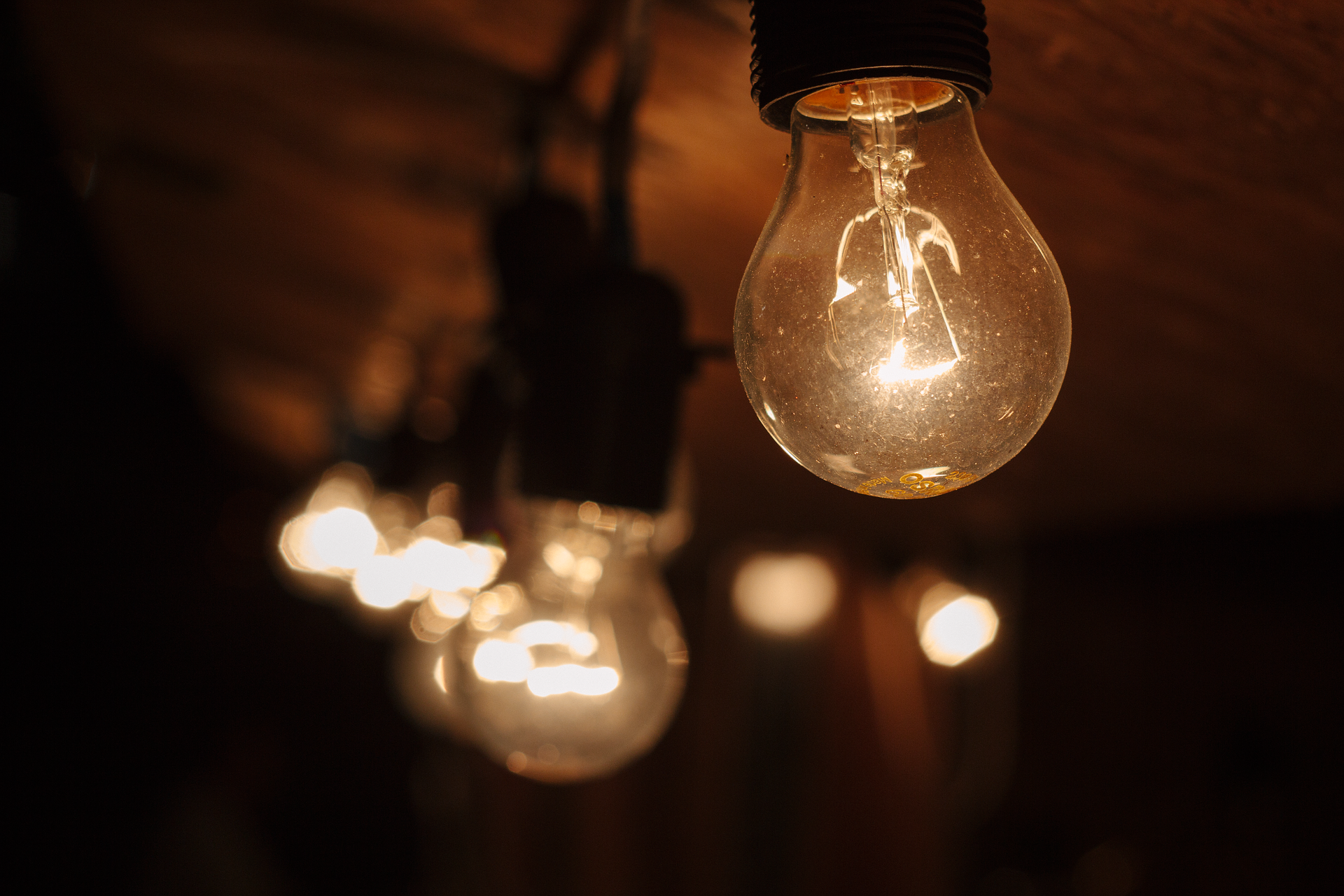
For example, tungsten filament has high luminous efficiency and long service life, so it is widely used in the manufacture of various light bulb filaments, such as incandescent lamps, iodine tungsten lamps, etc. The tungsten filament can also be used to manufacture the direct hot cathode and grid of the electronic oscillation tube and the adjacent hot cathode heaters in various electronic instruments. The characteristics of tungsten make it also very suitable for TIG welding and other electrode materials similar to this kind of work.
Application of Tungsten in the Chemical Industry
Tungsten compounds are often used as catalysts and inorganic colors. For example, tungsten disulfide is used as a lubricant and catalyst in the production of synthetic gasoline, tungsten oxide is used in painting, and calcium or magnesium tungsten is commonly used in phosphors.
Application of Tungsten in Other Fields
Since the thermal expansion of tungsten is similar to boron silicate glass, it is used for glass or metal sealing. Tungsten has low sensitivity, so it is used to make high-purity tungsten gold jewelry. In addition, tungsten is also used in radiology medicine, and some musical instruments also use tungsten wire for the strings.
Conclusion
In short, tungsten is widely used in alloys, electronics, chemical industry and other fields due to its high melting point, high hardness, high density, good electrical and thermal conductivity, and small expansion coefficient. If you want to know more about tungsten and its alloys, we advise you to visit Stanford Advanced Materials for more information, which has over two decades’ experience in the manufacture and sale of tungsten products.

