
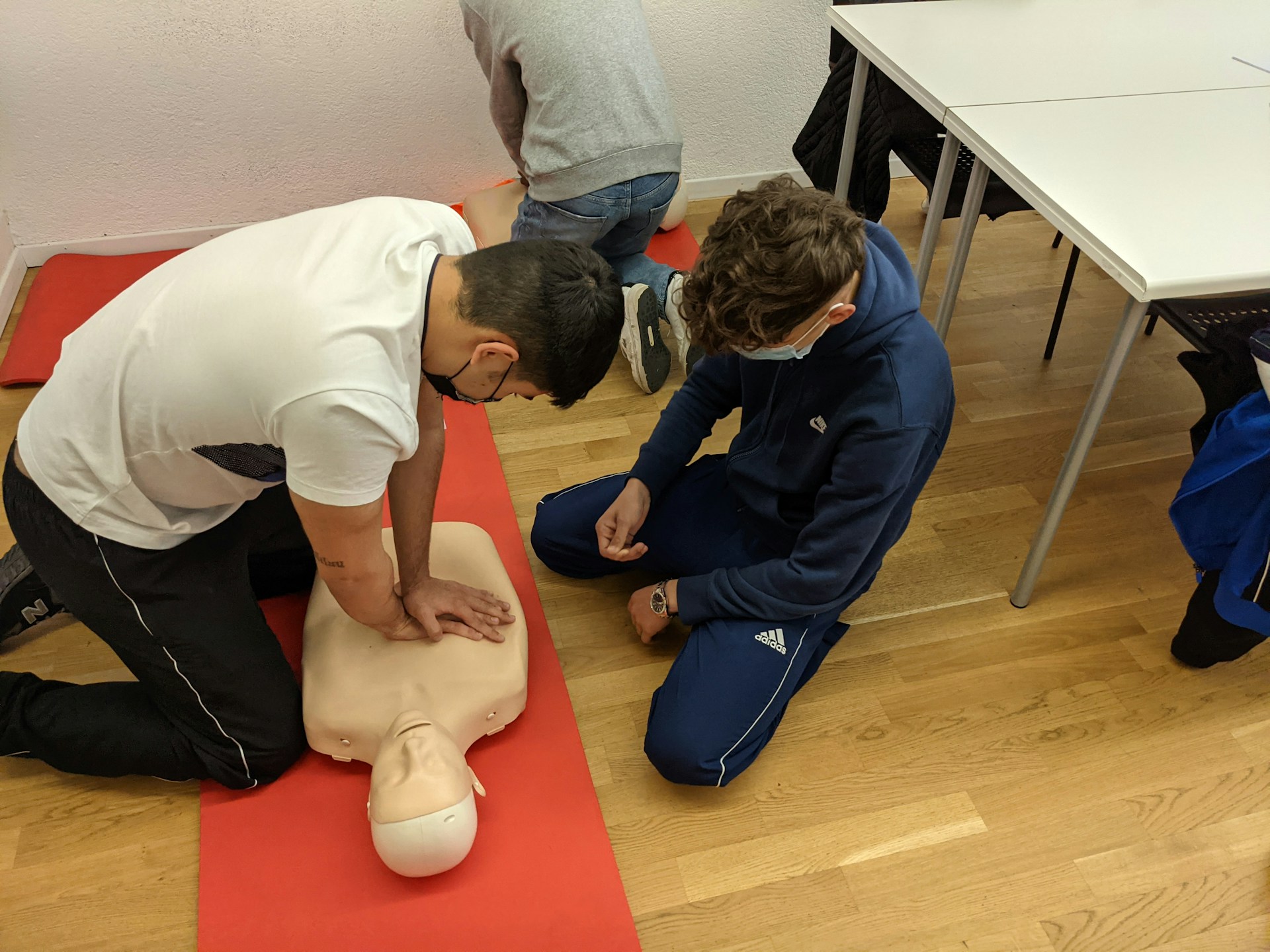

As of recent legislation, all secondary schools across the UK are now legally required to provide Cardiopulmonary Resuscitation (CPR) training as part of the national curriculum. This pivotal move is set to transform the next generation into a nation of lifesavers — but what does it mean for educators, parents, and the wider community?
The New CPR Training Requirement: An Overview
Under the current guidelines introduced by the Department for Education (DfE) in England, all state-funded secondary school pupils are expected to learn:
- How to perform CPR
- The purpose and use of Automated External Defibrillators (AEDs)
- Basic first aid skills
This requirement was first announced in 2019, with the goal of full implementation by 2020. However, disruptions caused by the COVID-19 pandemic led to delays. As of the 2024/25 academic year, enforcement has become more structured, with Ofsted encouraged to consider schools’ adherence as part of their inspection frameworks.
Scotland, Wales, and Northern Ireland have developed or are in the process of developing similar frameworks, with many local authorities proactively providing training materials and funding.
Why CPR in Schools Matters
Each year, the UK sees more than 30,000 out-of-hospital cardiac arrests. Survival rates are shockingly low, with fewer than 1 in 10 victims surviving. Yet, early CPR and defibrillation can double or triple a person’s chances of survival.
By training young people, the government aims to cultivate a culture where lifesaving skills are not only common but also instinctive. If every school leaver is trained in CPR, the potential impact on survival rates and community resilience is immeasurable.
Who’s Responsible?
It falls upon headteachers and school governing bodies to ensure their institutions meet the requirements. While many schools have embraced the initiative, others are still catching up, particularly those in more rural areas or with limited resources.
Local authorities, charities such as the British Heart Foundation (BHF), and the NHS have stepped up their support. The BHF, for example, offers free “Call Push Rescue” kits, which include training videos, CPR manikins, and other resources tailored for classroom use.
CPR in the Workplace
While the school mandate garners headlines, a growing conversation is underway about CPR and first aid training in the workplace. Many UK employers are following suit, incorporating lifesaving training as part of their health and safety responsibilities.
The Health and Safety Executive (HSE) advises employers to conduct first-aid needs assessments. While CPR training is not legally required for all businesses, it’s highly recommended, especially for organisations with large public footfall or remote staff.
What Schools Can Do Now
- Review Curriculum Plans
Schools should ensure that CPR and AED training are incorporated into PSHE, PE or science lessons, in line with DfE guidelines. - Access Available Resources
Make use of free or subsidised programmes like those offered by BHF, Resuscitation Council UK, or local ambulance services. - Train the Trainers
While most CPR sessions can be delivered by existing staff using kit-based instructions, having a few fully trained first aiders or qualified instructors can enhance quality and confidence. - Engage the Community
Host school-wide CPR awareness days involving parents, local NHS services, and community leaders. This fosters a broader culture of preparedness.
A Generation Prepared
The introduction of compulsory CPR training in schools marks a significant shift in how we equip young people to respond to emergencies. It signals a belief that every citizen — regardless of age —has the potential to make a life-saving difference.
For parents and educators, the message is clear: be proactive, be prepared, and take pride in knowing that the next generation will be equipped not just with academic skills, but also with the courage and competence to save lives.
Are you ready to support your school or workplace in meeting this vital responsibility? Now’s the time to act, because seconds matter.

