
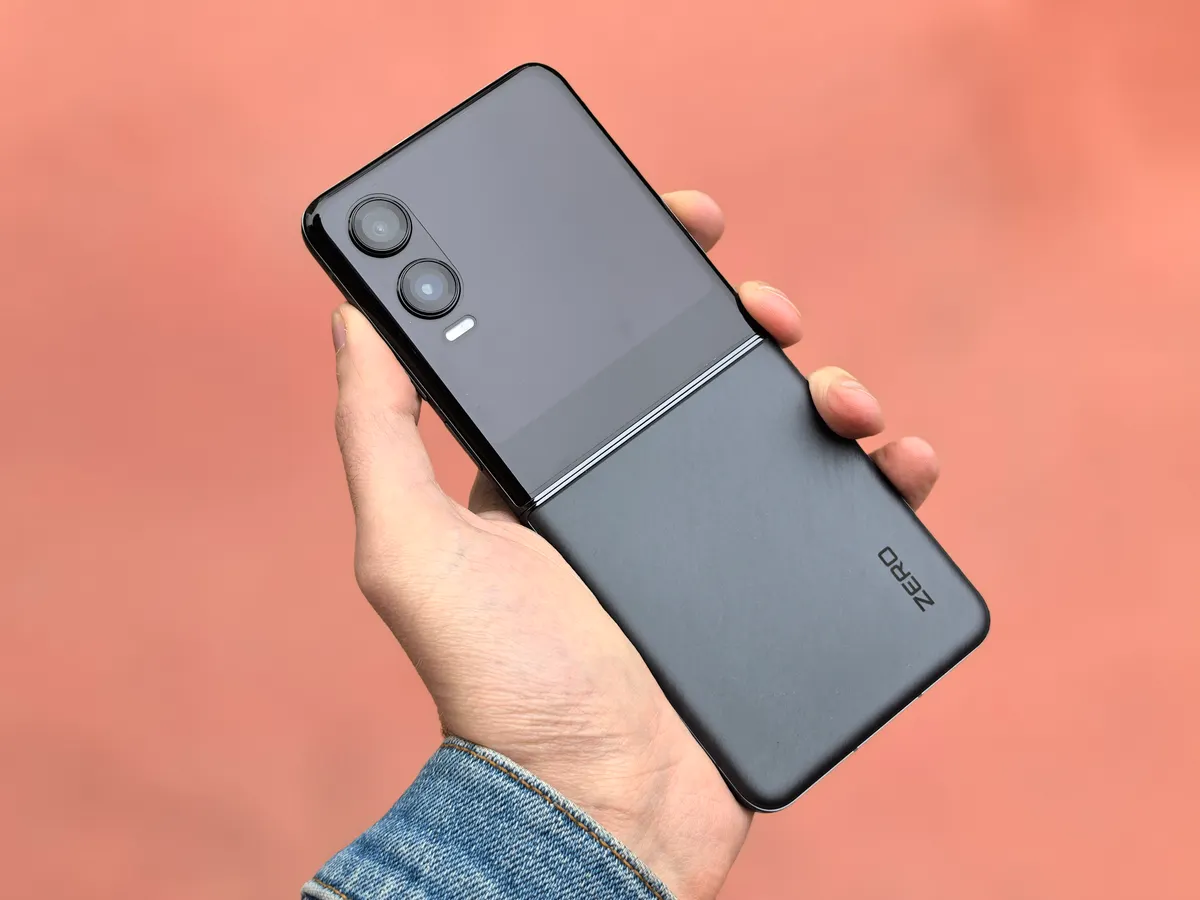

The Jensen Huang Samsung Galaxy Z Fold 8 was not on anyone’s agenda at the All-In Summit in Los Angeles this week, but it walked away as one of the more discussed devices in Silicon Valley. When President Trump rang Huang live on stage, the Nvidia chief executive reached for a foldable phone to take the call, and the internet immediately began speculating about which one it was.
The answer, after an earlier misidentification, is the Samsung Galaxy Z Fold 8: a device launched at Samsung’s Galaxy Unpacked event on 22 July 2026 and released to the public on 7 August. An earlier version of the original report had named it as Apple’s iPhone Duo, a conclusion subsequently corrected.
The Jensen Huang Samsung Galaxy Fold 8 Moment
The setting was the Shrine Auditorium and Expo Hall in Los Angeles, where the All-In Summit official site lists the conference’s fifth annual edition as running 13–15 September 2026. The speaker roster included Microsoft chief executive Satya Nadella, SpaceX president Gwynne Shotwell, and NASA Administrator Jared Isaacman, among others. Huang arrived in his now-familiar alligator leather jacket.
When Trump’s call came through, a foldable handset was handed to Huang to answer it. He put the president on speaker, and the conversation moved quickly to AI safety. Trump framed mounting anxiety about artificial intelligence as a ‘hoax,’ argued that the real beneficiaries of AI panic are China and ‘political people,’ and described the technology as ‘bigger than the internet’, too consequential, in his telling, to decelerate over concerns. Huang played the appreciative host: ‘Did you hear that? Thousands of people are clapping,’ he told Trump.
Whether Huang’s agreement was genuine or diplomatic, his commercial interests run in one direction. Nvidia’s revenues depend on AI laboratories continuing to buy chips in volume, and downplaying existential risk is structurally consistent with that model. The company reported revenue of $96.2 billion for the quarter ended 26 July 2026, up 106% year-over-year, according to NVIDIA’s Q2 FY2027 earnings press release. That is the kind of growth rate that makes a chief executive cautious about any narrative that slows the cycle.
NVDA fell approximately 3.4% on the day of the appearance, closing at $210.96 against a previous close of $218.29, according to Yahoo Finance historical data. The stock remains up around 33% over the past year, so one softer session is hardly an alarm. Still, the intraday dip was a reminder that Huang has an audience beyond the conference room: the one watching his every word through a trading terminal.
A Phone That Costs More Than Some Laptops
The Samsung Galaxy Z Fold 8 is not a device that goes unnoticed. It folds out to a 7.6-inch main display from a 5.5-inch cover screen, weighs 201 grams, and measures just 4.5mm thick when open. Inside sits a Snapdragon 8 Elite Gen 5 chipset, with RAM options of 12GB or 16GB and a 4,800 mAh battery.
Pricing in the US starts at $1,899 for the 256GB model, rising to $2,499 for 1TB, according to AndroidHeadlines. It is available in Cream, Graphite, and Lavender, with Pistachio as an online-exclusive. For a chief executive whose company has just posted the best quarterly revenue in its history, the choice of handset is not much of a stretch. For Samsung, the placement, however accidental, is the sort of product visibility that money rarely buys.
The broader story in the room was, of course, the AI conversation: two of the most influential figures in American technology and politics agreeing, on a stage in front of a paying audience, that safety concerns about the technology they are each building and deploying should not slow it down. That consensus, performed in public, is itself a kind of signal. The question for investors watching NVDA is whether the growth rate that justifies the share price persists as that consensus is tested. Huang’s next earnings call, not his phone choice, will be the one that matters.

