
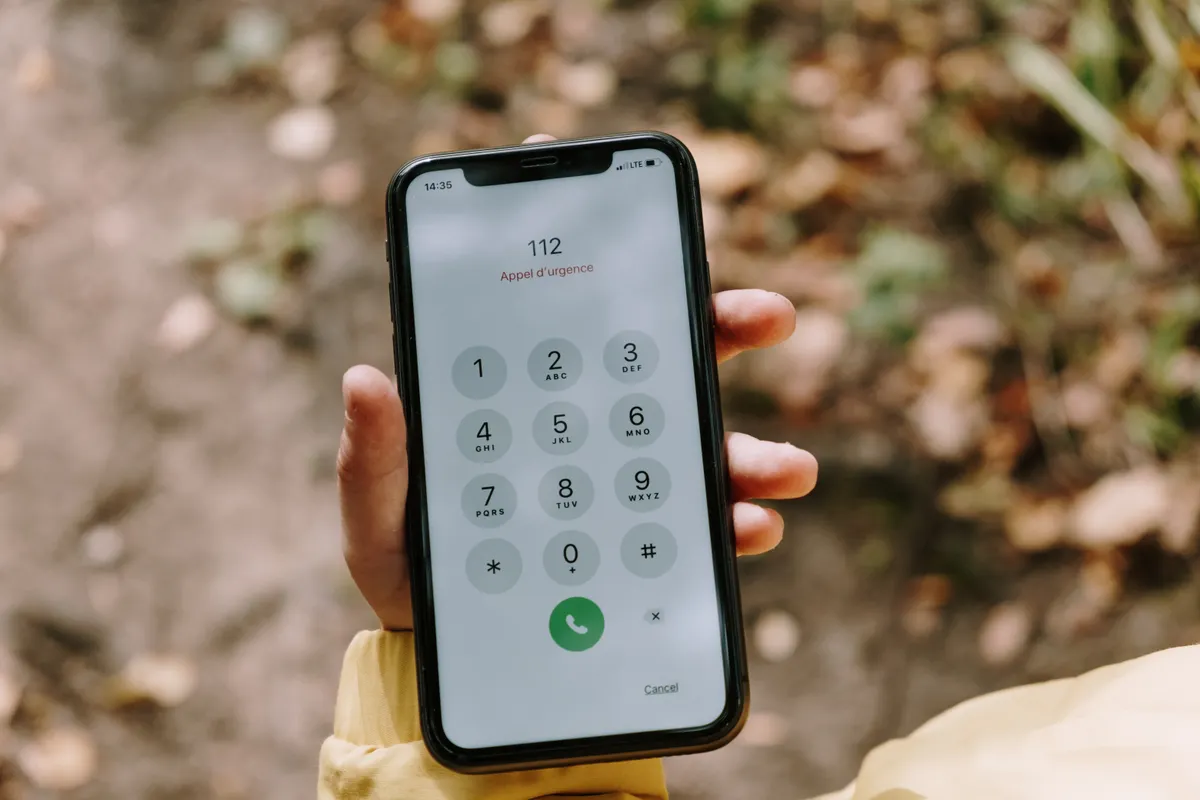

India’s TRAI spam reporting rules, updated through the Telecom Commercial Communications Customer Preference (Third Amendment) Regulations, 2026, now compel caller-ID and call-management apps to route users’ spam reports directly to a blockchain-based platform operated by telecom operators. The mandate has put the regulator on a collision course with Truecaller, the Stockholm-based company whose app is used by well over 350 million of its more than 500 million monthly active users globally in India.
The Telecom Regulatory Authority of India (TRAI) framed the requirement as a practical fix: spam reports collected by apps were staying inside those apps’ own ecosystems, unreachable by the telecom industry’s enforcement infrastructure. Connecting the two layers, the regulator argued, broadens the pool of data available to act against spammers.
Truecaller sees it differently. The company told TechCrunch the arrangement amounts to a ‘one-way exchange’ that is ‘anti-competitive,’ transferring commercially valuable data from call-management apps to the operators who sit beneath them on the network stack.
What the TRAI Spam Reporting Rules Actually Require
The new regulations are formally designated as regulation 05 of 2026 and will take effect in phases: general provisions kick in one month after gazette notification, rules governing application-to-person calling after 60 days, and provisions covering the blockchain appeal mechanism, AI-flagged spam corroboration, and content-template suspension after 90 days, according to ET Legal World.
The phased rollout matters because the data-sharing obligation is only one part of a broader tightening. Under the same amendment, telecom operators are required to restart know-your-customer checks on senders identified as spammers and may disconnect phone connections or file complaints with law enforcement against repeat violators.
What specific information apps must actually hand over remains partly unresolved. During the consultation phase, which opened with a TRAI paper on 13 March 2026, the draft proposed four parameters: the flagged number, the date and time of the spam call, and recipient details. Whether those four parameters survived into the final text without change is not yet confirmed.
Kazim Rizvi, founding director of New Delhi policy think tank The Dialogue, told TechCrunch that transmitting a specific spam report is materially different from sharing the broader datasets, reputation signals, or analytical systems an app uses to detect suspicious calls. The rules will need clarity on what must be transmitted, how users are notified or asked for consent, and how the data may be retained and used afterward, Rizvi said.
MediaNama reported that under the draft, apps would route reports to TRAI’s Do Not Disturb registry on the Distributed Ledger Technology platform. The draft had also proposed removing the explicit exemption for government communications, meaning calls from designated government number series would no longer be shielded from spam labelling. The final rules retained the restriction, however, keeping the existing prohibition on apps blanket-blocking or labelling calls from the 140 promotional series and the 1600 series reserved for regulated entities such as banks and insurers, a framework introduced under the February 2025 Second Amendment.
‘While our data and user sentiment clearly show that spam has skyrocketed due to this free pass to spammers, we have been compliant with this since late last year,’ a Truecaller spokesperson said. The scale of the problem the company is navigating is not trivial: its users in India encountered around 42 billion spam calls in 2025, including calls that were blocked, labelled, or ignored, with nearly 12 billion blocked outright.
AI Calls, Termination Charges, and the Enforcement Question
Separately, the amendments bring automated and AI-voice calls within TRAI’s application-to-person framework. Robocalls and calls using prerecorded or artificial voices will now need to be declared to telecom operators in advance, along with the phone numbers involved. Undeclared calls of this type will be treated as spam.
Satya N. Gupta, a former additional secretary at TRAI, told TechCrunch the rules do not ban AI or automated calling but require disclosure. Telecom operators will also be permitted to levy a termination charge of up to 5 paise (approximately 0.052 cents) per minute on such calls, with calls from certain designated number ranges exempt. Reliance Jio, in its stakeholder submission to TRAI in April 2026, had pushed for a steeper deterrent: Rs. 0.50 per minute on all commercial calls, calculated on a per-minute pulse.
Rizvi flagged a separate definitional risk: the new A2P category could extend to calls made via software even when a human initiates the call, such as contact-centre systems and click-to-call services. ‘Without that distinction, the A2P category risks becoming broader than the regulatory harm it is intended to address,’ he said.
Sumeysh Srivastava, a partner at New Delhi consulting firm The Quantum Hub who leads its telecom-regulation work, told TechCrunch the bridging of two distinct layers, network operators on one side, caller-ID apps on the other, raises jurisdictional questions that the regulations do not fully answer. A March draft proposed using India’s IT laws as the enforcement mechanism for the app-sharing requirement. The final rules did not confirm whether that mechanism was retained.
For Truecaller, the stakes are concrete: India is by far its largest market, and any regulatory framework that compels it to share proprietary spam-detection data with the operators it competes with for user attention will test how much commercial leverage the country’s largest anti-spam app can actually exercise. The 90-day deadline for the most complex provisions of the new regulations is the clearest near-term trigger to watch.

