
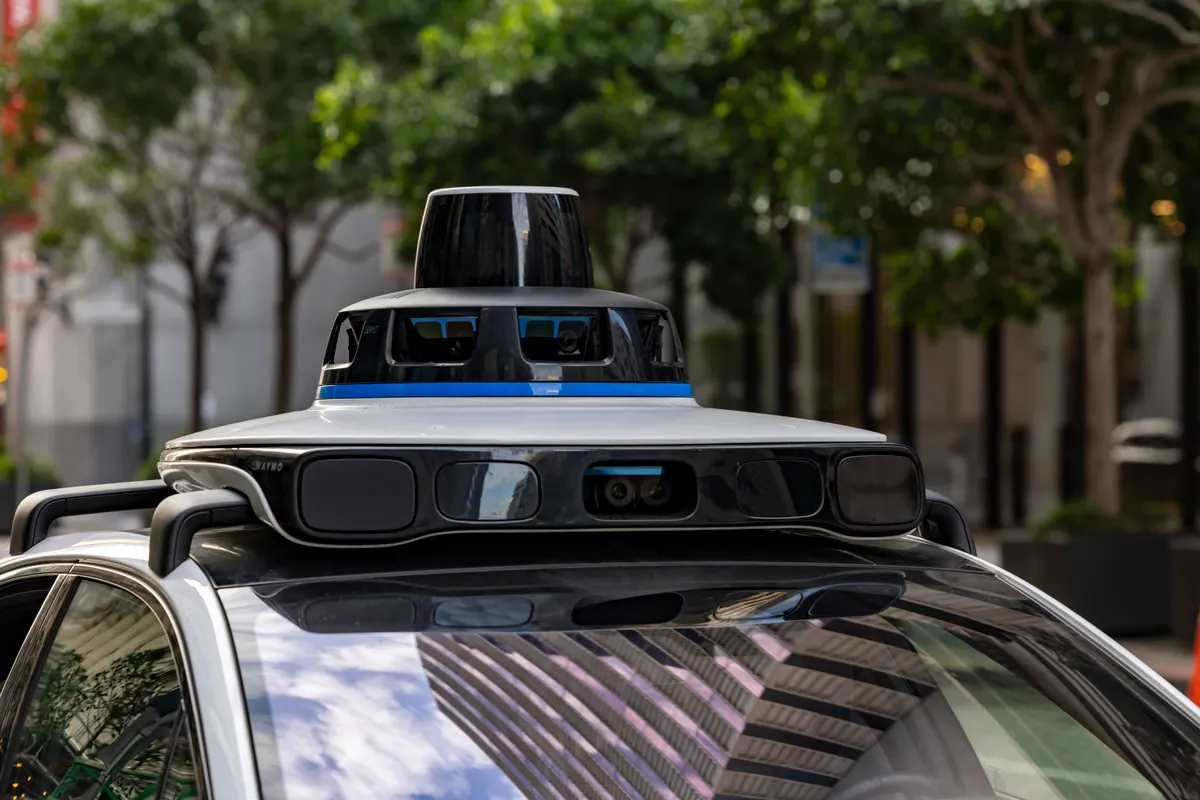

The Waymo San Francisco pause lasted roughly one hour on Saturday morning, a precautionary shutdown triggered by a SFGate-reported power outage that cut electricity to northwest neighbourhoods including the Presidio, Golden Gate Park, and the Richmond District at about 9:52 a.m.
The Alphabet-owned robotaxi company told riders that service was ‘temporarily paused’ and that ‘freeway routes are unavailable.’ A spokesperson later confirmed the full picture: the company ‘decided to pause service for approx. one hour to assess the scale of the power outage affecting a large portion of San Francisco and coordinate with local officials.’
A Larger Outage Than First Reported
The blackout was more extensive at its peak than early figures suggested. The New York Post and the SF Standard both cite PG&E spokesperson Edgar Hopida putting the initial count at about 9,400 customers in the Richmond and Golden Gate Park areas, beginning around 9:45 a.m. The figure of roughly 7,000 customers, cited in some reports including SFGate, likely reflects a later, updated count as power was partially restored. Sources conflict on the precise tally; the 9,400 figure comes from PG&E’s own spokesperson.
A separate system glitch made the situation appear far more dire than it was: PG&E’s own alert system mistakenly warned roughly 120,000 customers that they had lost power, even though those customers were never actually out of power. The San Francisco Department of Energy warned that traffic signals could be impacted across the affected area, urging drivers to treat darkened intersections as four-way stops.
PG&E crews were inspecting equipment for damage as of about 11 a.m., with a tentative restoration time of 12:30 p.m. at that point.
Waymo San Francisco Pause: Lessons Applied, Questions Remaining
The SF Standard reported that Waymo’s decision to pull its vehicles proactively was informed directly by two earlier failures. During a December blackout and again during a Fourth of July fireworks show on the Golden Gate Bridge, dozens of Waymo robotaxis stalled in city streets and blocked intersections, with video of the incidents circulating widely on social media.
On Saturday, by contrast, San Francisco Fire Department spokesperson Lt. Mariano Elias confirmed there were no known problems involving vehicles or passengers during the suspension.
Waymo said it remained in contact with San Francisco’s Department of Emergency Management throughout the outage. Some localised service adjustments in the affected area were still in place as of Saturday afternoon, according to the SF Standard.
When service resumed, a Waymo spokesperson said: ‘We are making temporary adjustments to our service while we monitor local conditions. We know riders depend on us, and we will return to normal operations as soon as possible.’
A Mayor Pushing for New Rules
The morning’s events intensified an already fraught political conversation. Mayor Daniel Lurie, a moderate Democrat who has simultaneously promoted San Francisco as the birthplace of autonomous vehicle technology, told KTVU that he personally contacted Waymo’s chief executive and asked the company to remove its cars from city streets during the outage. His message to the company: ‘What we need from them is to be in better touch with us and having a direct line of communication with us in events like that.’
Lurie has also written to state Secretary of Transportation Toks Omishakin, calling for new autonomous vehicle standards that specifically address how these fleets should behave during major incidents, planned or unplanned, according to KQED. His letter referenced both the December blackout and the Fourth of July incidents by name.
San Francisco Supervisor Bilal Mahmood is pressing for formal hearings on the disruptions, pointing to social media footage of Waymo vehicles blocking intersections during the December outage as grounds for legislative scrutiny.
Waymo’s Saturday response, coordinated with city officials and completed without incident, may help its case in Sacramento. Whether it satisfies Lurie and Mahmood before any state legislation moves forward is a different question entirely.

