
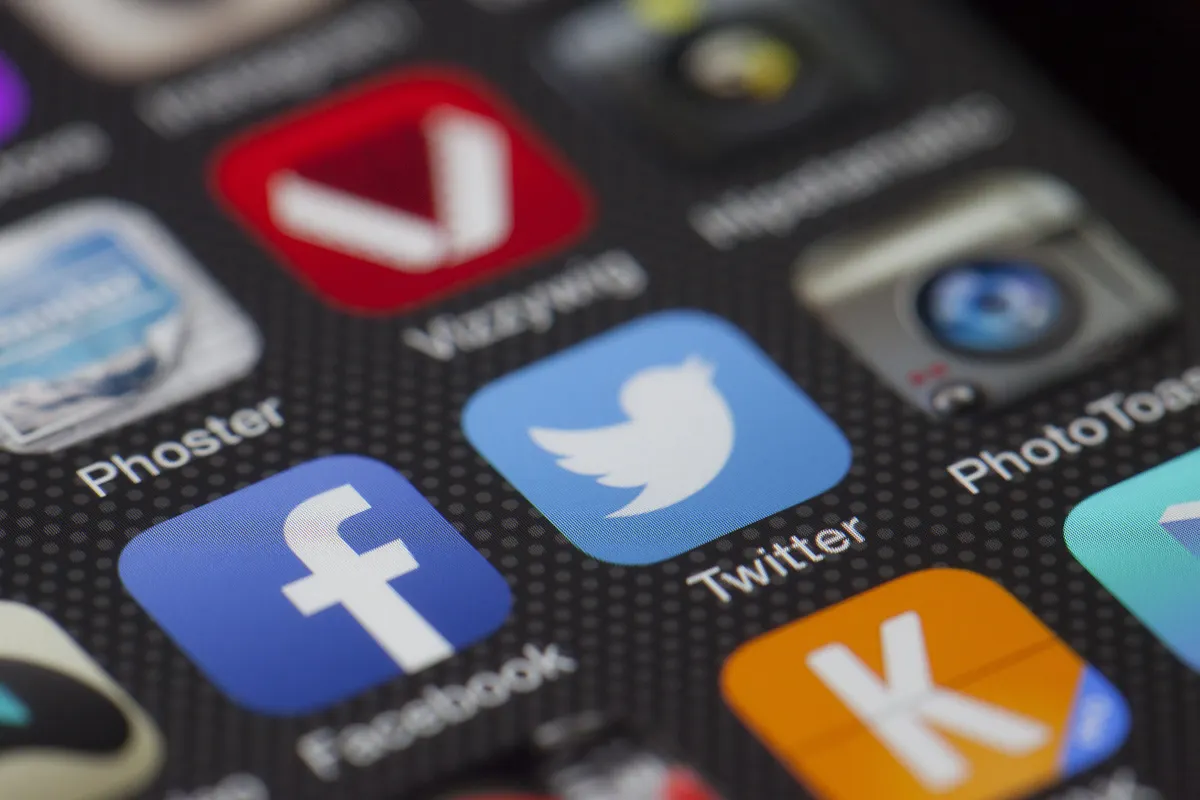

The X Twitter trademark ruling handed down on 3 September 2026 by U.S. District Judge Colm F. Connolly did not go cleanly in either direction. The court’s memorandum opinion granted X Corp. a preliminary injunction covering eight Twitter-related marks, blocking a Virginia-based startup called Operation Bluebird from trading on the word “Twitter.” But the judge denied the injunction on two others: the word “tweet” and the original bird logo.
The startup had been operating under the name Twitter.now before the ruling. Within hours of the decision, it rebranded its platform as Tweet.app, and opened to users in early testing.
What the X Twitter Trademark Ruling Actually Decided
Judge Connolly’s reasoning on the two freed marks was direct. X Corp.’s evidence of continued use, according to the court opinion, consisted largely of remnants: undated or several-year-old webpages, dormant Facebook and Instagram accounts, a deactivated @twitter account. Neither the “tweet” mark nor the bird logo appeared on x.com or in the App Store listing. Operation Bluebird was, the judge found, ‘likely to succeed in proving both that X Corp. discontinued the bona fide use of the Tweet mark and Bird logo and that it intends not to resume the use of the marks.’
What saved X’s primary “Twitter” trademark was a parenthetical phrase in Apple’s App Store listing: ‘Welcome to X (formerly known as Twitter).’ Android Headlines reported that X legal director Naser Baseer testified the company kept that phrase deliberately, to direct users searching for the old name to the app. The judge accepted that as evidence of bona fide continued use.
Elon Musk’s own public statements worked against X on the narrower question. On 23 July 2023, Musk posted: ‘And soon we shall bid adieu to the Twitter brand and, gradually, all the birds.’ The platform was renamed X the following day. Judge Connolly cited those public statements as compelling evidence of intent to permanently discontinue both the “tweet” mark and the bird logo.
Reuters reported that X had argued its Twitter brand remained ‘alive and well’ and ‘not ripe for the picking,’ characterising Operation Bluebird’s move as an attempt to ‘steal’ the name. X acquired Twitter for $44 billion in 2022 before renaming it. As a condition of the preliminary injunction, the court required X to post a bond of $500,000.
Operation Bluebird’s Legal Play, and Its Limits
The principals behind Operation Bluebird are worth examining. Michael Peroff, the Illinois-based founder, is a lawyer. Stephen Coates, the company’s president, served as Twitter’s associate director of trademarks, domain names, and marketing from 2014 to 2016, according to Yahoo Finance. Two lawyers with deep trademark expertise building a social network is, on its face, an unusual combination.
Operation Bluebird has a cancellation action pending before the Trademark Trial and Appeal Board, and filed an intent-to-use application for the TWEET mark with the U.S. Patent and Trademark Office on 2 December 2025, according to the company’s own press release. The company says it will comply with the court order on the Twitter name while the case proceeds to trial, but still intends to fight for the TWITTER brand.
In announcing the rebrand, Coates put the company’s argument plainly: ‘They kept the word. They let go of the bird, and they let go of the tweet. A tweet was never a corporation. It’s one person saying something. That word survived three years of a company trying to replace it, because the public declined to stop using it. We think that tells you who it belongs to.’
The damages claim Operation Bluebird lodged gives some indication of the financial stakes, or at least the aspirations. The startup sought at least $50 million, projecting ten million users and $55 million in revenue in its first year. Digital Watch Observatory reported that the court dismissed that projection as speculation, noting that 150,000 sign-ups over six months did not support the extrapolation.
Before launch, more than 172,000 people had requested a handle on the site. Tweet.app is charging $20 to reserve a handle. A second tier, priced at $40, adds a founder number and badge, plus what Engadget described as a slingshot badge ‘for the people who don’t just show up, they stand up.’ The pricing structure covers legal costs as much as development ones.
The ruling is preliminary, not final. The full case, docketed as 1:25-cv-01510, will proceed to determine whether X retains rights to any of the Twitter marks given how thoroughly the company has shed the brand in practice. The outcome will turn on whether the App Store parenthetical, and whatever other uses X can surface at trial, constitute genuine ongoing use, or merely nostalgic residue.

