

Ten years ago, supply chains were constructed like webs: they were vast, dense, and unquestionably cost-efficient. Now, what’s developing resembles a nervous system more: it’s dynamic, linked, and noticeably smarter. The change is fundamental rather than merely aesthetic.
The abrupt immobility of products during the pandemic was startling. More telling, though, was how rapidly companies started depending on dashboards, data models, and AI-powered simulations rather than additional warehouses or emergency routes. These tools become the strategy rather than a band-aid solution.
Supply chain evolution is now driven by digitization. Businesses are making quicker, more intelligent decisions thanks to cloud-based visibility tools and IoT devices that monitor every link from production to delivery. With the help of automatic warnings and prediction algorithms, what were formerly monthly planning sessions now take place in real time.
Once dependent on historical averages, forecasting has evolved into a particularly creative field. Modern AI models adjust orders and routes with remarkably similar accuracy to how financial markets price risk, taking into account everything from seasonal weather patterns to internet purchasing habits. For handling supply shocks, this degree of accuracy is incredibly useful.
Key Context: The Supply Chain Trend That Might Outlive Globalization
| Aspect | Detail |
|---|---|
| Core Trend | Hyper-digitization and AI integration in supply chains |
| Supporting Factors | Post-COVID disruptions, trade wars, geopolitical fragmentation |
| Enabling Technologies | Big data, IoT, cloud platforms, robotics, predictive AI |
| Enduring Capabilities | Enhanced visibility, agility, automation, risk management |
| Complementary Shifts | Regionalization, friendshoring, sustainability, ESG compliance |
| Strategic Purpose | Building resilient, flexible, and intelligent networks |
| Long-Term Outlook | Technology will outlast physical reconfiguration of supply chains |
| External Reference | ASCM.org |
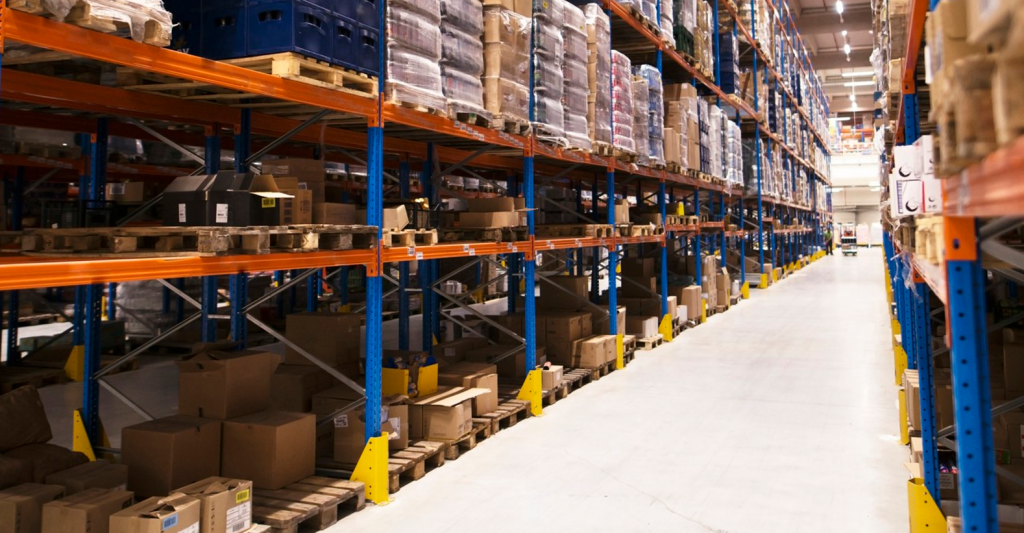
Additionally, warehouses are changing. They are now independent ecosystems rather than just storage facilities. Inside, AI plans restocks based on real-time demand, while robots oversee shelf replenishment. Not only are these modifications ingenious, but they are also very effective, lowering human error and freeing up workers for more strategically important jobs.
Businesses are using predictive analytics to keep ahead of disasters rather than just react to them. Modern software now immediately initiates backup plans in the event of a port strike in Europe or a factory delay in Asia. Five years ago, such foresight was not just unattainable, but unthinkable.
This change presents a new direction for businesses with global operations. The glue that keeps these networks together is becoming more digital, even as trade flows move toward regional hubs—friendshoring, nearshoring, or reshoring. The digital core, which directs choices across borders, is unaffected by changes to the physical structure.
A supply chain analyst from a global electronics business recently spoke about how their digital twin technology modeled network changes before they actually occurred. She said, “It’s like a rehearsal for every big decision.” “Until the model indicates that it will hold, we do nothing.” That concept—developing resilience before it’s necessary—stayed with me.
The great versatility of hyper-digitization is its beauty. The same AI technologies can scale up or down, regardless of whether a business serves a small area or operates globally. As supply chains focus more on adaptation and less on volume, that flexibility is especially advantageous.
These systems are now being directly integrated with sustainability, which is sometimes thought of as a trade-off with efficiency. Businesses drastically cut gasoline use by streamlining delivery routes. Full traceability made possible by blockchain makes it incredibly evident where and how items are made.
This openness is becoming a competitive advantage rather than merely a means of compliance. Proof that their purchases align with their ideals is becoming more and more important to consumers. It is now feasible to provide that proof in seconds rather than weeks thanks to digital supply chains.
Furthermore, the long-term benefits of these systems outweigh the initial cost, which may appear substantial. By implementing automation and cloud solutions, medium-sized firms are discovering that they can grow without the operational challenges associated with the manual systems of the past. Actually, a lot of them are claiming significantly better delivery results and less stockouts.
This change is even being acknowledged by governments. Supply chain stability is now considered a security issue in national policy documents. Silently, funding for digital infrastructure, robust planning tools, and AI logistics has increased. It is become a geopolitical issue rather than merely a financial one.
The fact that the resources facilitating this change are become easier to obtain is particularly promising. Even startups may now function with the kind of operational intelligence that previously required an enterprise-grade IT department thanks to subscription-based platforms and open APIs.
Perhaps the trend’s most progressive aspect is this democratization of technology. Resilience is becoming a standard expectation rather than a privilege. Additionally, the network impact increases with each adoption, resulting in richer data, more intelligent models, and quicker decision-making.
This can be a game-changer for manufacturers or startups dealing with narrow profit margins. They can compete on agility rather than just pricing if they include automation and predictive software early on. And this change is subtly redrawing industry-wide competition boundaries.
In the future, supply chains with the most factories and the lowest inputs won’t be the most successful. They’ll be the ones who anticipate disruptions, adjust instantly, and bounce back quickly. And a smart, digital brain behind the scenes is what produces that kind of performance, not a new port.

