
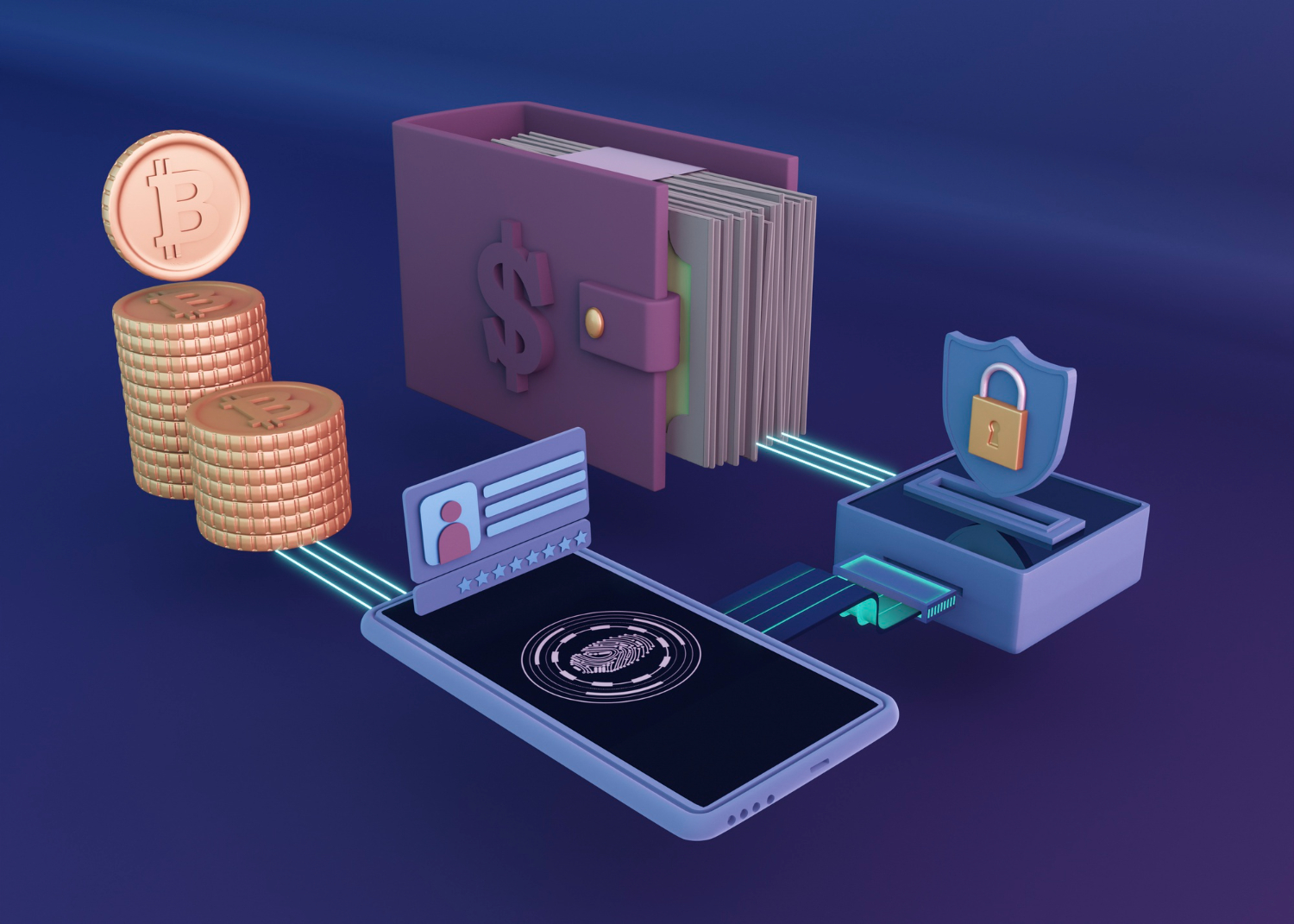

As NFTs and cryptocurrencies replace tokenized real-world assets, taking safety measures has become more important than ever. This is where crypto custodians come in!
While most crypto investors understand what digital asset solutions are, only a few know how exactly custodians work. If this sounds relatable, you’ve come to the right place. Here’s a comprehensive guide explaining what crypto custodians are and what they do:
What are Crypto Custodians?
Crypto custody refers to the safekeeping and management of cryptocurrency assets and their private keys. This is done either by the asset owner or a third-party service provider. Crypto custodians are third-party providers and have become immensely popular among individual investors and institutions.
Why is Self-Custody Not Recommended?
Self-custody is generally not recommended. Yes, it ensures maximum control, but it also requires a high level of technical expertise and knowledge of advanced security protocols. Moreover, institutional investors and crypto investors that manage the assets of numerous clients might find it difficult to ensure protection.
Custodians Offer Numerous Storage Solutions
The most important responsibility of a qualified crypto custodian is the availability of different storage solutions. This includes:
- Cold wallets
- Hot wallets
- Multi-sig wallets
- Institutional grade vaults
- Hybrid models
Depending on your needs and financial goals, you can choose a suitable storage method. For instance, if you need to make frequent crypto transactions, storing assets in a hot wallet can be useful. On the other hand, if you need robust control mechanisms, use multi-sig wallets as they require three to five keys to access assets.
They Offer Institutional-Grade Security Features
As cybersecurity threats become increasingly sophisticated, crypto investors require robust security measures to protect their non-tokenized assets. A qualified custodian like BitGo will offer the following features:
- A tiered storage architecture
- Multi-Party Computation (MPC) wallets
- Real-time security monitoring
- Multi-signature authentication
- Granular, role-based access controls
- Automated transaction logs
Such features can minimize the chances of security breaches, fraud, and operational failures. You will have peace of mind knowing your assets are in safe hands.
They Protect Private Keys
The process of accessing and transferring cryptocurrencies isn’t as simple as that of tokenized assets.
Cryptocurrencies are transferred through a decentralized network called the blockchain. Think of it as a digital ledger that stores the details of every cryptocurrency transaction. Owners can access their assets and make transactions using cryptographic keys.
There’s a common saying in the crypto world: No keys, no assets. A qualified crypto custodian won’t let this happen. It keeps cryptographic keys at a secure, preferably offline location.
They Mitigate Risks
Investing in cryptocurrency is a high-risk venture. This is especially true for institutional investors and cryptocurrency exchanges, as they manage the keys for hundreds of clients. Working with a reliable crypto custodian can mitigate a significant percentage of risks.
Custodians have robust security systems, technological upgrades, and trained personnel to handle and protect crypto assets.
They employ strong authentication protocols, as well as recovery plans, to minimize stress in the event of a security breach. Lastly, they comply with industrial regulations, such as Anti-Money Laundering (AML) and Know Your Customer (KYC), to protect against potential legal issues in the future.

