Edgar Gonzalez: How Dog Grooming Shops Maintain On-Time Operations

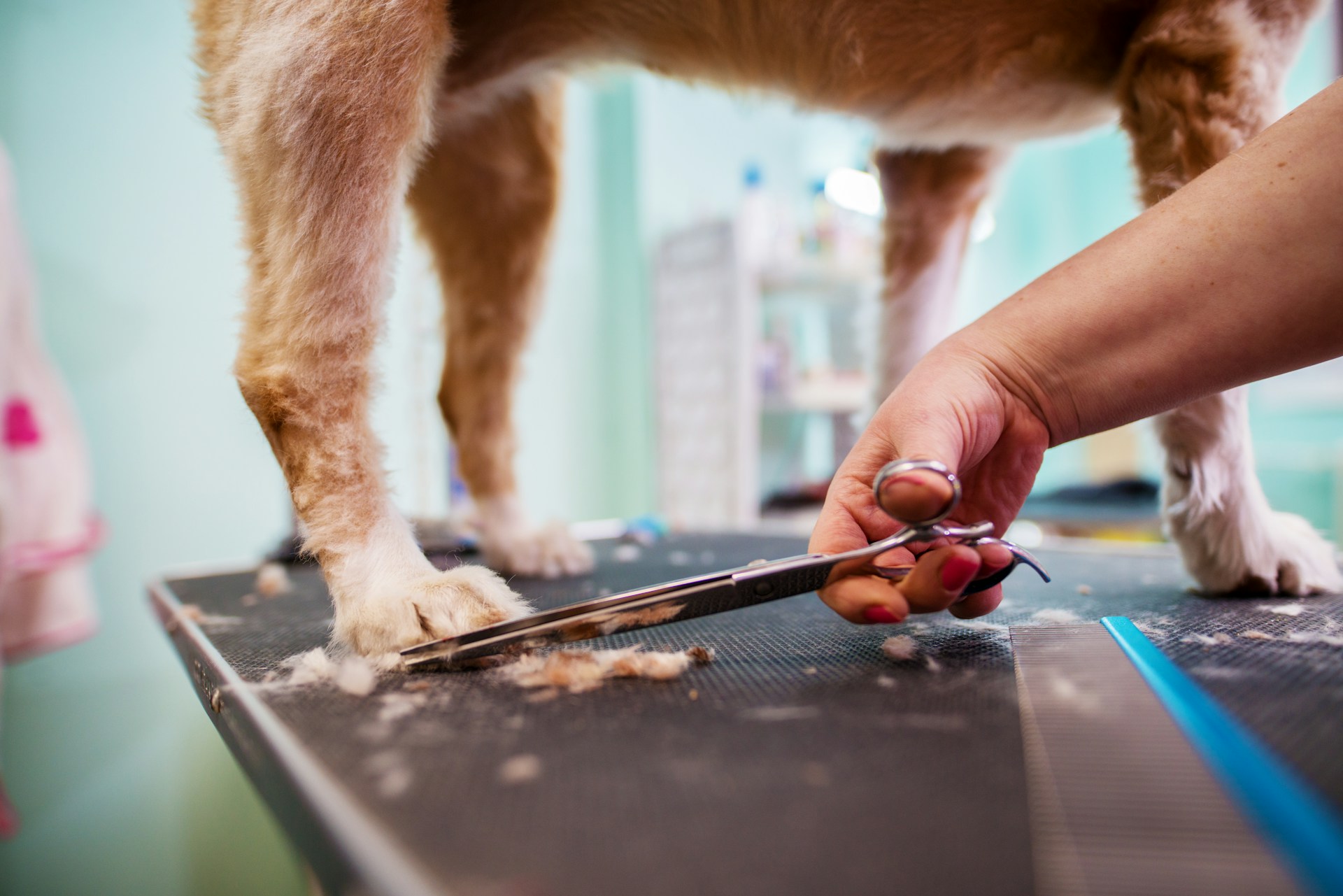
Edgar Gonzalez is a business owner and entrepreneur who oversees several ventures, including Woof to Purrfection, a dog grooming company serving pet owners near Stamford, CT. Drawing on his experience managing service-based businesses, Edgar Gonzalez applies structured operational practices to maintain efficiency and customer satisfaction in high-demand environments. In addition to his grooming salon, he leads Stratmat Laundromat through EAG Holdings, LLC, and manages residential rental properties through 27 North St., LLC. He holds a bachelor’s degree in economics from the University of Connecticut and a master’s degree from Sacred Heart University. With responsibilities that include staff oversight, scheduling, customer service, and facility operations, he understands how disciplined systems help prevent delays and maintain consistency throughout the workday.
How Dog Grooming Shops Avoid Running Behind Schedule All Day
Many grooming salons operate under high demand with limited teams, leaving little room for error. A shop “runs behind schedule” when one appointment exceeds its allotted time and delays the following bookings. This chain reaction disrupts pickup times, leaves staff rushed, and creates a chaotic, stressful day, even if the grooming itself goes smoothly.
Grooming time is harder to predict than other appointment services because every dog has unique coat conditions, temperaments, and owner requests. A calm, well-brushed dog moves quickly through the process, while an anxious dog or one with a neglected coat may require slower handling and extra breaks. When owners plan for these variables, appointments are more accurate than if they assume all dogs fit the same time block.
Booking rules are one of the most effective ways to avoid schedule disruptions. A short-coated dog for a simple bath rarely needs the same time slot as a large, long-coated dog or a doodle requiring a full haircut. Clear service categories, like a basic bath versus a bath with a tidy trim, help the front desk assign realistic time blocks and avoid squeezing in appointments with no recovery time.
The check-in process is another area where the schedule can either stay intact or slip. When staff gather all necessary details upfront, they avoid surprises mid-appointment that silently add time. A consistent intake routine allows staff to confirm customer expectations, note health concerns, and set a realistic pickup window before the dog leaves the lobby. Front desk staff can also prepare for disruptions by reviewing the day’s schedule in advance, identifying potential bottlenecks, and confirming time buffers for services that typically take longer.
Inside the salon, role division is as crucial as the times on the calendar. Groomers focus on haircuts and finishing work, bathers handle bathing, brushing, and coat prep, and front desk staff manage calls, check-ins, payments, and customer updates. When each role stays focused, grooming time increases, and staff spend less time switching tasks.
Bathing and drying often become hidden bottlenecks that customers don’t notice. Drying time depends on coat density, moisture retention, and how well a dog tolerates a high-velocity dryer used by many salons to speed up drying. If multiple dogs reach the dryers at once, staff may wait for equipment, and a curly-coated dog that remains damp cannot be finished properly, even if the haircut is ready.
Unexpected coat conditions can also disrupt schedules. Matting turns a routine appointment into a time-consuming service that requires dematting or shaving for the dog’s comfort and skin health. These changes affect pricing, pickup times, and how many dogs can be seen that day, which is why well-run shops set clear policies for when changes are needed and how quickly the customer must approve the shift.
Customer timing can throw off the schedule, which is why many shops treat drop-off and pickup times as policy rather than negotiation. By setting clear expectations about drop-off windows, late arrival cutoffs, pickup deadlines, and late pickup fees or automatic rescheduling, staff protect the day from one late visit derailing the entire schedule.
Over time, many grooming shop owners improve scheduling by tracking actual completion times and using real data to identify patterns, like certain coat types taking longer or dryers becoming overbooked during peak hours. Adjusting future appointments based on these insights helps the shop stay on schedule, avoid rushed grooms, and maintain a calm, professional environment for dogs, staff, and customers.
About Edgar Gonzalez
Edgar Gonzalez is an entrepreneur based near Stamford, CT, who owns and operates Woof to Purrfection, a dog grooming salon known for serving dogs of various breeds and sizes. He also manages Stratmat Laundromat through EAG Holdings, LLC, and oversees residential rental properties through 27 North St., LLC. He earned a bachelor’s degree in economics from the University of Connecticut and a master’s degree from Sacred Heart University. His professional focus includes staff leadership, operational oversight, and maintaining organized service environments.