
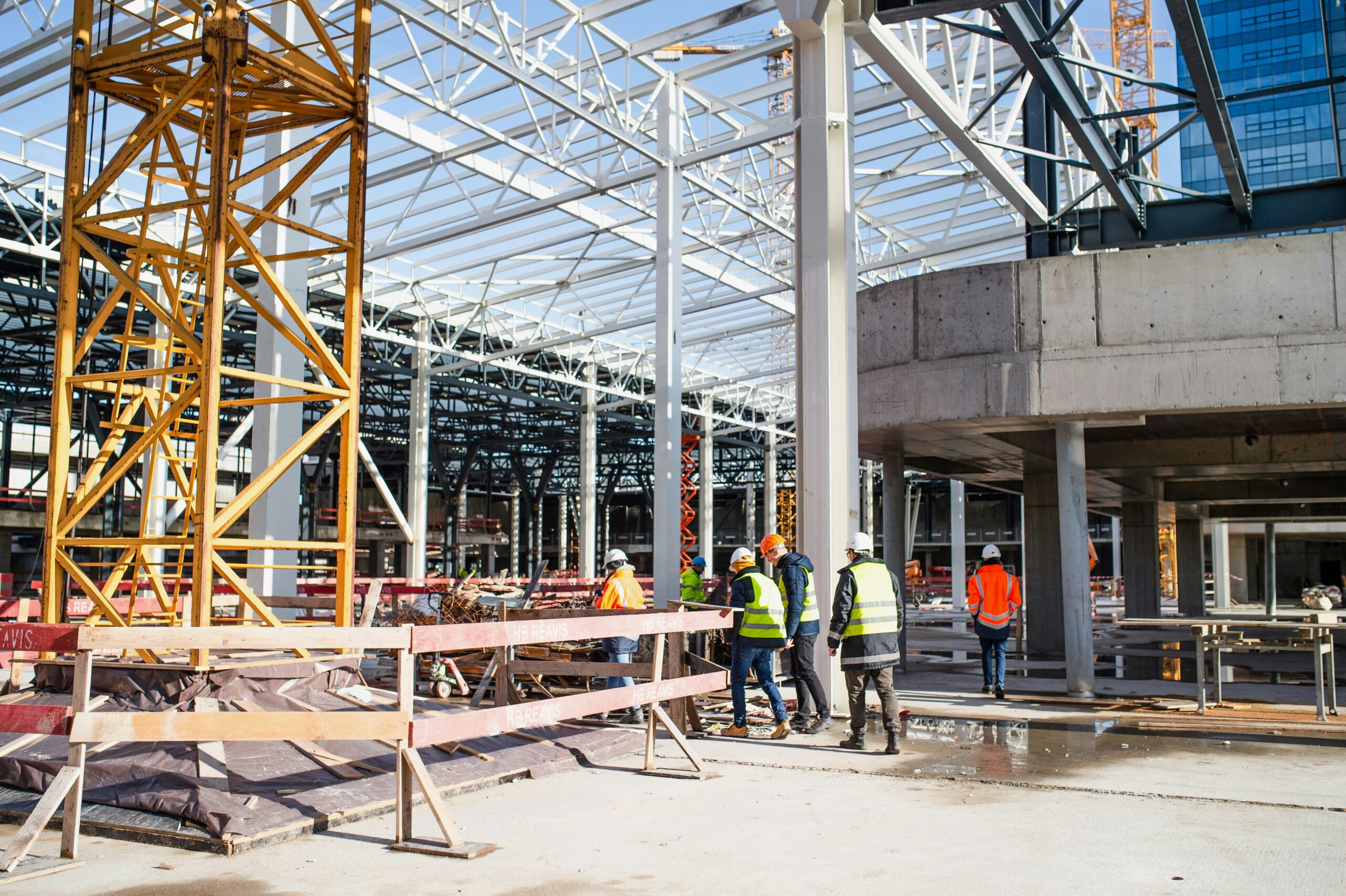

Delay in construction may severely impact on the cost, schedule and the overall success of a commercial steel building project. Late deadlines tend to cause higher labor costs, price variations of materials and poor relations among the stakeholders. Although the steel structures are also characterized by efficiency and streamlined construction, time delays may still take place unless there is attention to planning and coordination. Preparation, communication, and action-oriented management will ensure the project owners and contractors minimize the setbacks and make construction progress.
Effective Project Planning
Proper planning is among the greatest measures towards avoidance of delays. All the project details, scope, timeline, budget, and responsibilities should be well articulated prior to ground breaking. The right drawings, engineering approvals and material specifications should be done earlier to prevent the changes in the construction. Unclear or incomplete plans might stop crews as they await clarification and this can easily derail the schedule.
An actual construction schedule is also necessary. Excessive aggressive deadlines tend to cause stress which results in errors, rework, and co-ordination problems. Rather, project managers are supposed to consider permitting procedures, fabrics lead times, weathers and site preparation provisions. The development of flexibility in the schedule and the prediction of possible risk factors will help teams to react better in case of challenges.
Effective Communication and Coordination
Effective communication among the parties to the project will also ensure that there is no confusion that can contribute to the expensive delays. The owners, architects, engineers, suppliers and contractors should always keep in touch at every stage of construction. Meetings and progress reports will keep all people on track with project objectives and be informed of the next activities.
In particular, coordination is required when deploying and assembling steel components. In case of the shipment of materials before the site is organized, storage problems and risks of damages may arise. Conversely, late deliveries may waste crews. These risks can be mitigated by setting up a comprehensive shipment plan and ensuring that preparations are made before cargo is shipped. In the case of projects using pre engineered steel buildings, the communication between the manufacturer and construction team is especially important, as the various parts are produced to specifications and they need to be assembled as per the plan.
Proper Site Preparation
A lot of construction delays can be attributed to poor site preparation. The foundation should also be correctly designed and poured, and left to cure in compliance with the engineering standards, before the delivery of steel components. The position of the anchor bolts or foundation alignment may go wrong and cause the steel frame not to fit, which will be expensive to adjust and idle.
Access to the site and logistics need to be taken care of too. The use of heavy equipment needs the availability of a stable ground and space to maneuver. The crews may be compelled to wait before the completion of grading, drainage, or utility installation. Project managers can reduce the hindrances in the installation process by carrying out extensive site evaluation and ensuring preparedness before delivery of the steel.
Experienced Workforce and Quality Management
Recruitment of experienced contractors and labor skills is significant in ensuring projects are on schedule. The construction of steel buildings needs accuracy and safety consciousness and the knowledge of systems of construction. Inefficient crews can also perform at a slower pace or give wrongful decisions that have to be corrected subsequently. It can be long-term economical to invest in qualified professionals at the start.
It also minimizes the chances of delays through quality control procedures. Periodical checks at every construction phase can be used to diagnose possible problems when they are small. Sensitivity checks on bolt tension, alignment and structural integrity also make sure that issues are resolved early enough as opposed to being found at the end of the inspections. Through experienced labor and superb monitoring, business steel building projects are able to move and run without any unwarranted delays.
To minimize the construction delays in commercial steel building construction, one must be consistent in planning, coordination, preparation and quality control. Project teams can also establish a well-founded base of consistent progress when they take time to formulate clear objectives, set achievement-realistic schedules, and ensure free communication. The control of the site conditions, precautious delivery organization, and collaboration with skilled specialists will reduce the risk of unforeseen delays even further.

