
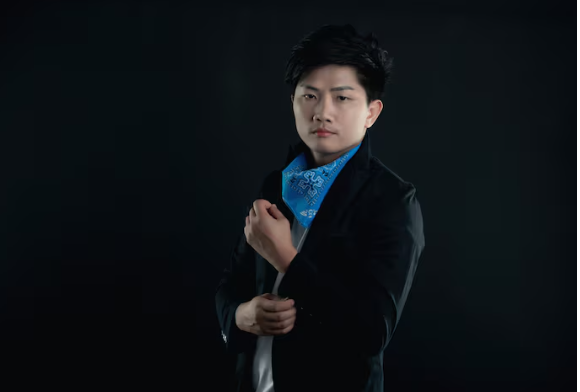

The 39-year-old South Korean actor Jung Eun-woo, whose real name was Jung Dong-jin, died on February 11, 2026. On behalf of his family, his agency reported the death and asked the public and media for privacy. The cause of death was not made public. The Korean entertainment business, which has become accustomed to handling the private burden of loss while processing grief in public, was taken off guard by his untimely demise without the preparation that a protracted illness may have offered. Throughout the day and throughout the next week, coworkers and admirers shared condolences.
Since making his debut in 2006, Jung Eun-woo has worked in Korean drama and television, developing a career spanning two decades that encompassed a variety of genres and media. His roles in Bride of the Sun, Five Fingers, My Only One, and Welcome to Waikiki 2 showcased his versatility in a variety of tonal registers, ranging from dramatic to lighthearted.
| Category | Details |
|---|---|
| Full Name | Jung Dong-jin (stage name: Jung Eun-woo) |
| Date of Birth | 1986 |
| Age at Death | 39–40 (reports differ) |
| Date of Death | February 11, 2026 |
| Cause of Death | Not publicly disclosed (family requested privacy) |
| Debut Year | 2006 |
| Known For | One Well-Raised Daughter, The Return of Hwang Geum-bok, Bride of the Sun, Five Fingers, My Only One, Welcome to Waikiki 2 |
| Final Post | February 10, 2026 — images of Leslie Cheung & Amy Winehouse, captioned “Missed, jealous, sorry” |
| Funeral Location | New Goryeo Hospital Funeral Hall, Gimpo, Gyeonggi Province |
| Funeral Procession | February 13, 2026 |
| Reference Website |
His roles in One Well-Raised Daughter and The Return of Hwang Geum-bok were among the most well-known of his later career, and he gained an audience that followed him with the particular devotion that Korean television drama tends to foster in its viewers—those who spend thirty, forty, or even sixty episodes with a character and develop a sense of familiarity with the actor as a result of the accumulation of those hours.
The day before he passed away, on February 10, 2026, Jung Eun-woo uploaded pictures to his Instagram account. The pictures were of British musician Amy Winehouse, who passed away in 2011, and Hong Kong singer and actor Leslie Cheung, who passed away in 2003. Translated from Korean, the caption said “Missed, jealous, sorry” or, in other versions, “Missing, envious, regretting.” The post was his final one before he passed away the next day. The photographs he selected—two artists whose deaths have been extensively discussed in popular culture—gave the message a layer of meaning that those close to him are probably still processing, and fans who saw it later found a weight in it that wasn’t immediately apparent when it was posted.
On February 13, 2026, a funeral procession was held at the New Goryeo Hospital Funeral Hall in Gimpo, Gyeonggi Province. The location, a hospital funeral hall in the rural city of Gimpo, west of Seoul, is the kind of place where Korean families congregate in the particular formality of Korean mourning customs. During the three days that Korean funeral tradition usually observes, flowers, photos, and the ritual of paying respects take place. Alongside family members, other performers and business associates attended the public rituals, which offered an organized way to convey a sadness that lacked a complete expression.
The death of Jung Eun-woo is the most recent in a string of losses that the Korean entertainment industry has been dealing with over the past few years. During this time, discussions about mental health, the demands of public life, and the unique requirements placed on performers in the Korean entertainment system have become more urgent and transparent than they were ten years ago.
With differing degrees of success, the industry has been attempting to create previously nonexistent support networks and lessen the stigma associated with asking for assistance. There are no publicly available answers to the questions of whether Jung Eun-woo had access to those structures and whether they were adequate.
In the days after a loss like this one, there’s a sense that the gap between a public figure’s private life and their public persona is never entirely apparent from the outside; performances, interviews, and social media posts all make up one version of a person, and what was going on beneath that version stays private even after privacy itself has become unattainable. The age of Jung Dong-jin was 39. For twenty years, he had been a consistent actor. Privacy has been requested by his family. These are the publicly accessible facts, but they are insufficient to fully characterize a life.

