

Nancy Metayer Bowen was accompanied by kids at a neighborhood Easter egg hunt in her most recent Instagram image. Every picture showed her grinning. She had written positively about the staff and volunteers who helped make the event, which was named Hoppin’ Into Springs, happen that past weekend. Whether correctly or not, it was the type of post that gave her followers the impression that they understood something about her personality—that she was a person who showed up and truly seemed to love being there. The same account reported her passing a few hours following that post. One reporter described the difference as nearly unbearable.
Colleagues at Coral Springs City Hall noticed early on Wednesday, April 1, 2026, that Metayer Bowen was not returning calls or messages and had missed a scheduled meeting. That kind of absence, for someone described by fellow commissioners as a “battle buddy” who rarely skipped a beat, was unusual enough to raise immediate alarm. Her husband, Stephen Bowen, was contacted by a city employee. The phone call, according to the arrest affidavit, made the employee uneasy — Bowen “sounded suspicious.” A wellness check was requested by the police. Officers arrived at the home on the 800 block of Northwest 127th Avenue at around 10 a.m. and found the Florida vice mayor dead.
Important Information
| Field | Details |
|---|---|
| Name | Nancy Metayer Bowen |
| Title | Vice Mayor of Coral Springs, Florida |
| Age at Death | 38 years old |
| Date Found | Wednesday, April 1, 2026 |
| Location | 800 block of NW 127th Avenue, Coral Springs, Broward County, Florida |
| Cause of Death | Fatally shot — domestic violence homicide |
| Historic Distinction | First Black and Haitian American woman elected to Coral Springs City Commission |
| Elected | First elected in 2020, re-elected in 2024; appointed Vice Mayor in 2025 |
| Suspect | Stephen Bowen, 40 — husband; arrested in Plantation, FL |
| Charges | Premeditated murder and tampering with or fabricating physical evidence |
| Investigating Agency | Coral Springs Police Department, with assistance from Broward Sheriff’s Office |
| Full Coverage | NBC News |
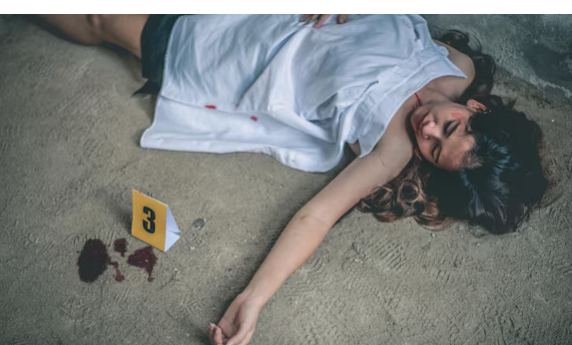
What they discovered within the house was really unsettling. The affidavit states that Metayer Bowen’s body was placed in the bed of the second-floor master bedroom after being wrapped in blankets and black trash bags. A pillow nearby bore burn marks and had string tied around it, consistent, investigators said, with having been used as a makeshift silencer. The details paint a picture not of a sudden, chaotic act, but of something premeditated and methodical, which is why the charges filed against her husband, Stephen Bowen, included not just premeditated murder but also tampering with or fabricating physical evidence.
Bowen was not at the house when officers arrived. He had driven approximately twelve miles south to Plantation, where police later tracked him to the Landmark Towers apartment complex. According to investigators, he had gone there to ask someone to help him hide the weapon used in the shooting. He was arrested there and transported to Broward County’s main jail. He was 40 years old, denied bond, and was listed in custody in the Broward Sheriff’s Office online system within hours of the discovery. It is still unclear what preceded the shooting or what, if anything, had been visible in the weeks before. Domestic violence rarely announces itself cleanly from the outside.
Nancy Metayer Bowen had built something genuinely rare in South Florida politics. She was the first Black and Haitian American woman ever elected to the Coral Springs City Commission, a milestone she reached in 2020 when she was first voted in, and the community re-elected her in 2024. Her fellow commissioners then appointed her to a second term as vice mayor in 2025. By the time of her death, she was 38 years old and, according to at least one lawmaker quoted in press coverage, was seriously considering a run for Congress. There is a particular weight to that detail — not just a life cut short, but a specific trajectory erased, a set of possibilities that will never be tested.
The Metayer family had already endured profound grief in the months before this. In December 2025, Metayer Bowen’s younger brother Donovan, twenty-six years old, died by suicide after years of struggling with schizophrenia. He had been a survivor of the February 14, 2018 mass shooting at Marjory Stoneman Douglas High School in Parkland. That the same family would absorb another devastating loss just months later is the kind of accumulation that is hard to fully comprehend from any distance. Commissioner Joshua Simmons, speaking at the press conference where Coral Springs Police Chief Brad Mock confirmed the news, struggled to find the right words. “That was our battle buddy,” Simmons said. “Our commission is incomplete.”
A candlelit vigil was held at Coral Springs City Hall on the evening of Friday, April 3. Attendees were asked to bring white candles and to wear orange or green, two colors that apparently meant something specific to those who knew her. The parking lot outside city hall, on West Sample Road, filled quietly in the April evening. It’s hard not to notice, looking at the photographs from that night, how many people came — not dignitaries making formal appearances, but residents, neighbors, people who had watched her work and felt, in some honest way, that she had worked for them.
The investigation remains active. Bowen faces the most serious charges available under Florida law, and the affidavit released by police suggests investigators assembled their case quickly, drawing on the physical evidence at the scene and Bowen’s own movements in the hours after the shooting. Whether the full picture of what happened inside that house on Northwest 127th Avenue will ever be publicly understood is uncertain. What is not uncertain is what the community of Coral Springs lost — a public servant who, by every account, was only getting started.

