Why Heat Pumps Are Booming and What It Means for Homeowners and Energy Costs

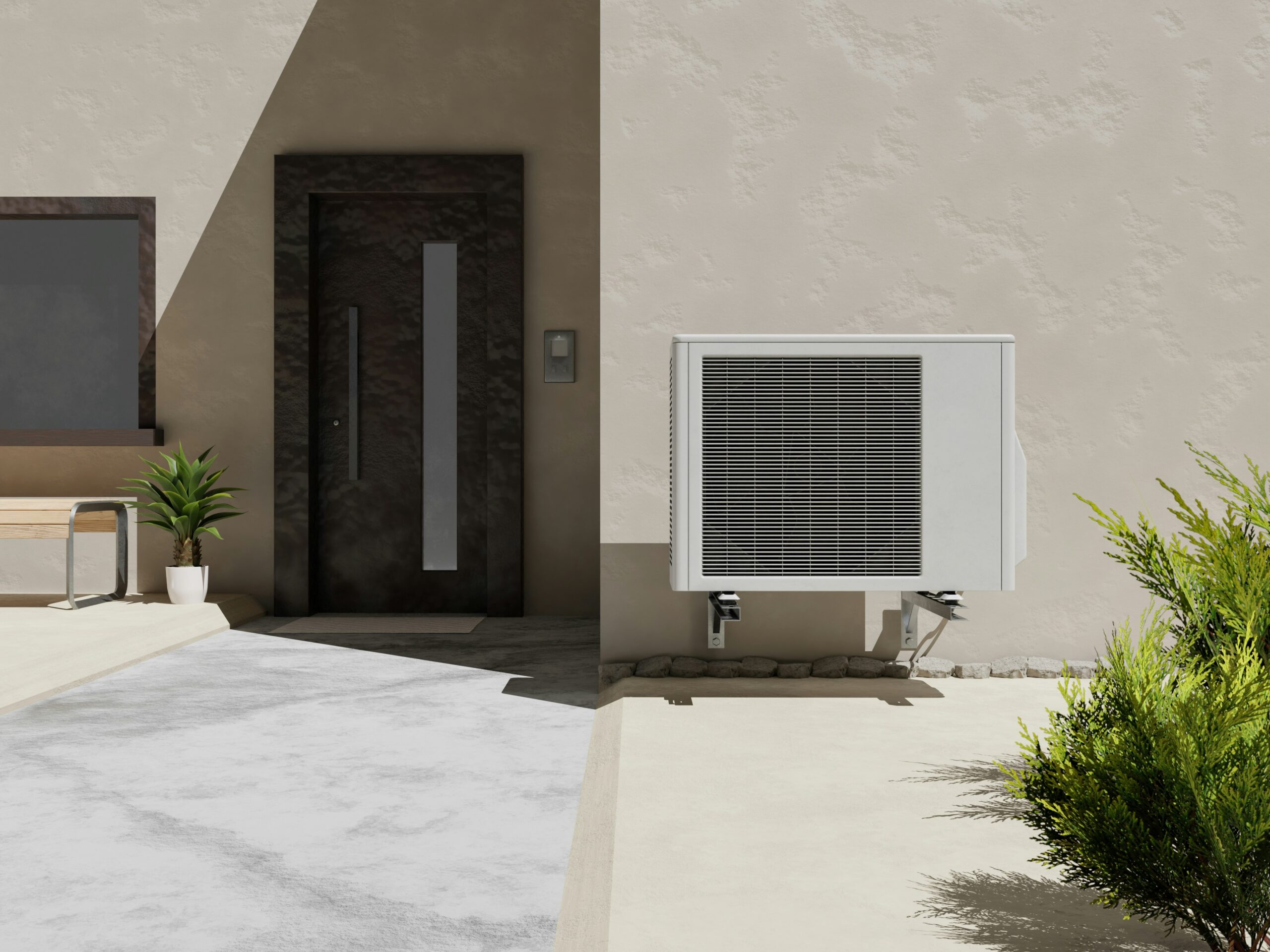
Heat pump installation is quickly becoming one of the most talked-about upgrades in modern homes, and for good reason. As energy costs shift and homeowners look for smarter, more efficient systems, heat pumps are moving from a niche option to a mainstream solution. But what’s actually driving this surge, and what does it mean for long-term costs and comfort?
Why Are Heat Pumps Popular
Heat pumps aren’t new, but what’s changed is context. Three things have lined up at once.
Energy costs have become unpredictable, so homeowners want systems that reduce dependence on a single fuel source. Technology has quietly improved, and modern cold-climate heat pumps now work in temperatures that used to rule them out. At the same time, electrification is becoming the default direction, with homes shifting away from combustion systems like gas and oil toward all-electric setups.
In simple terms, heat pumps went from a niche alternative to a practical default almost overnight. What changed isn’t the technology, it’s expectations. Homeowners have become less tolerant of inefficiency, questioning why they need two separate systems for heating and cooling, and thinking more in terms of monthly cost stability rather than just installation price as rising energy bills made inefficiency visible.
This shift in mindset is a major driver behind heat pump demand and overall heat pump market growth.
Heat pumps win because they solve a modern frustration: why a home is still so expensive to heat and cool.
What Is Driving Heat Pump Market Growth and Heat Pump Demand
It’s not just one factor, it’s a stack of forces reinforcing each other.
Government incentives and rebates, especially in the US, Canada, and Europe, are lowering upfront costs significantly. Grid decarbonization means that as electricity gets cleaner, heat pumps automatically become greener without changing the equipment. At the same time, new construction trends favor all-electric homes because they’re simpler to design and more future-proof, especially with flexible options like mini split systems.
These factors are directly fueling heat pump market growth while also increasing heat pump demand across both new builds and retrofits.
What’s interesting is that demand isn’t just reactive anymore. It’s becoming intentional, people are choosing heat pumps, not just ending up with them. There’s a clear behavior shift in how people buy HVAC: it’s no longer a break-fix purchase, but a researched upgrade decision where homeowners compare systems like they compare cars, looking at efficiency, long-term cost, and technology.
Contractors are also actively steering customers toward heat pumps because margins and incentives align. This isn’t just demand, it’s a shift in how HVAC is sold and chosen, accelerating heat pump adoption across the market.
How Heat Pumps Work and Why Heat Pump Energy Efficiency Matters
A heat pump doesn’t “create” heat, it moves it.
In winter, it pulls heat from outside air (even cold air contains heat energy) and moves it inside. In summer, it reverses the process and removes heat from your home. That’s why it’s efficient: instead of burning fuel to generate heat, it’s transferring existing heat.
This leads to a key concept: heat pump energy efficiency. Heat pumps can deliver 2-4 units of heat for every 1 unit of electricity used. That’s not magic, it’s physics, and it’s the core reason they outperform traditional systems.
A furnace is like boiling water from scratch every time you want heat. A heat pump is like moving hot water from one place to another. One creates heat, the other relocates it, that’s why heat pumps don’t just save energy, they avoid wasting it in the first place.
Heat Pump Energy Efficiency vs Traditional HVAC Systems
Gas furnaces run at about 90-98% efficiency at best, while electric resistance heating is technically 100% efficient but expensive to run. Heat pumps operate at roughly 200-400% “effective efficiency,” which highlights the advantage of heat pump energy efficiency compared to traditional systems.
In cooling mode, they’re also competitive with or better than standard AC units since they use the same underlying refrigeration cycle, often with more advanced variable-speed technology.
The bigger picture is that traditional systems are already near their ceiling, you’re just squeezing out the last few percentage points with furnaces. Heat pumps, on the other hand, are still improving, with ongoing gains in compressors, refrigerants, and controls, further strengthening heat pump energy efficiency over time.
So it’s not just that heat pumps are more efficient today, they’re on an upward curve, while traditional systems have plateaued.
How HVAC Industry Trends Drive Heat Pump Adoption
Heat pumps sit at the center of several major HVAC industry trends. Electrification of everything aligns perfectly with heat pump technology, while smart home integration means they pair well with zoning, sensors, and automation. Variable-speed systems are becoming standard, improving comfort and efficiency, and heat pumps excel in this area. At the same time, regulatory pressure on refrigerants and emissions favors newer, more adaptable systems.
These HVAC industry trends are directly accelerating heat pump adoption, making them the preferred option in many scenarios.
Heat pumps aren’t just riding trends, they’re benefiting from pressure on every side. Regulations are making old systems harder to justify, manufacturers are investing heavily in heat pump R&D, and utilities prefer electrification because it aligns with grid strategy.
The key takeaway is that heat pumps aren’t just benefiting from HVAC industry trends, they fit the direction the entire industry is moving, with adoption being actively pushed by the entire ecosystem rather than happening organically.
What Heat Pump Adoption Means for Energy Costs
Upfront costs are typically higher than a basic furnace or AC replacement, though they can be offset significantly by rebates and tax credits, sometimes by thousands.
Operating costs are often lower, especially in moderate climates, but remain highly dependent on electricity versus gas pricing in your area. That’s why the honest answer is that it’s not always the cheapest option upfront, but it’s increasingly competitive over the full lifecycle as heat pump adoption grows.
A more honest way to frame it is that you’re trading low upfront and higher long-term cost with a furnace and AC for higher upfront and more predictable long-term cost with a heat pump. One system replaces both heating and cooling, which can also mean lower maintenance complexity instead of managing two separate systems, while adding appeal in markets where energy efficiency matters to buyers.
The real value isn’t just saving money, it’s fewer pricing shocks, less dependence on volatile fuel markets, and more predictable long-term costs. It’s a financial predictability play, not just an efficiency upgrade.
What to Know About Heat Pump Demand Challenges
Heat pumps aren’t perfect, and skipping this part is where most competitors lose credibility.
Cold climate performance varies, modern systems are much better, but sizing and installation matter a lot. Higher upfront cost, even with incentives, can still be a barrier, and electrical upgrades may be needed since older homes sometimes require panel upgrades. Defrost cycles and airflow differences can also feel different compared to traditional heating.
Many homeowners expect heat pumps to feel like furnaces, they don’t. They deliver steady, lower-intensity heat instead of blasts of hot air, which can take some getting used to. Some savings claims are also overly optimistic, especially in areas with cheap gas, which can impact perceived heat pump demand.
The biggest risk isn’t the technology, it’s bad installation or incorrect system sizing. Installer expertise is critical, and heat pumps are less forgiving of poor design, wrong sizing, bad ductwork, or lazy installs.
How Heat Pump Market Growth Will Impact Energy Costs
This is a bigger-picture question, and the answer is nuanced.
In the short term, increased electricity demand driven by heat pump market growth could put pressure on grids in some regions, and utilities may adjust rate structures like time-of-use pricing or peak charges. As more homes switch to heat pumps, utilities also gain more control over when energy is used through smart thermostats and load shifting, which further pushes pricing toward time-based models where off-peak is cheaper and peak hours are more expensive.
At the same time, the most important shift is that energy costs become less about fuel markets and more about grid management and electricity pricing. Reduced dependence on gas and oil can protect homeowners from fuel price volatility.
Over the long term, continued heat pump adoption and efficiency improvements reduce total energy consumption per home, and as grids scale renewable energy, electricity costs may stabilize or even decrease relative to fossil fuels. That’s where the real advantage comes in, homeowners who adapt through smarter usage, better insulation, or solar benefit the most.
So the future isn’t simply higher or lower costs, but more dynamic pricing with more opportunity to control your bill if you play it right.