
Making Garden Watering Work Better From the Ground Up

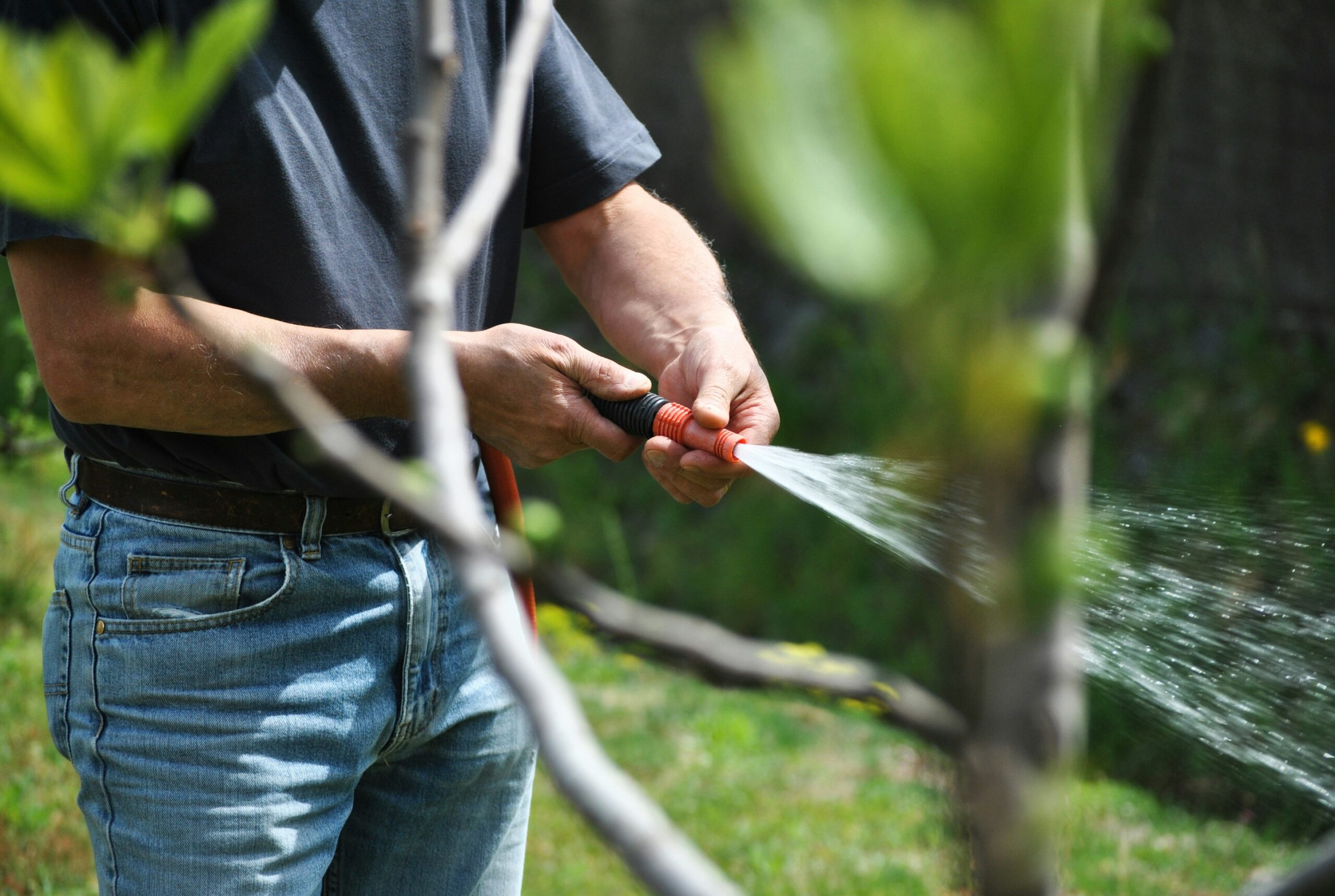
A healthy garden rarely comes down to luck alone. Even well chosen plants can struggle when watering is inconsistent, especially during long dry spells or busy periods when keeping up by hand becomes difficult. That is one reason many homeowners and property managers turn to garden irrigation installers when they want a more reliable and efficient way to care for outdoor spaces.
A properly planned irrigation setup does more than save time. It helps ensure water reaches the right areas, supports stronger plant health, and removes much of the guesswork that often comes with manual watering. For gardens that need regular attention, that kind of structure can make a noticeable difference.
Why Manual Watering Often Falls Short
Watering by hand sounds simple enough, but in practice it is not always the most effective approach. It is easy to overwater one area, miss another entirely, or apply water at the wrong time of day. Over time, that inconsistency can affect plant growth, lawn condition and the overall appearance of the garden.
There is also the issue of scale. A small patio garden may be manageable with a watering can or hose, but larger spaces quickly become time consuming. Borders, lawns, vegetable patches, raised beds and greenhouse areas often have different watering needs, which makes a one size fits all routine difficult to maintain. The result is often wasted water, uneven coverage and a garden that never quite gets what it needs.
The Value of a Properly Designed System
An irrigation system works best when it is matched to the garden rather than added as an afterthought. Different areas may require drip irrigation, pop up sprinklers, soaker lines, or a combination of methods depending on layout, planting and soil conditions. A thoughtful design takes all of this into account so the system supports the space properly instead of fighting against it.
This is where specialist installation becomes important. Good planning can help avoid common issues such as runoff, dry patches, overwatering near paving, or poor water pressure across the system. It can also ensure that the visual side of the garden is respected. Most people want a practical solution, but they also want one that sits neatly within the design of the space and does not feel intrusive.
Better Water Use, Better Plant Health
One of the strongest arguments for irrigation is efficiency. Watering systems can be set up to apply water more accurately, which helps reduce waste and encourages healthier root development. Plants generally respond better to steady, targeted watering than occasional heavy soaking followed by dry periods.
This matters not only for appearance, but for resilience too. Lawns, shrubs and planted borders tend to cope better with warmer weather when they have had consistent care. In gardens with new planting, an irrigation system can also help young plants establish more successfully. Instead of relying on memory, spare time or changing weather, watering becomes part of a more dependable routine.
A Smarter Long Term Approach
For many households, irrigation is less about convenience alone and more about making the garden easier to manage well. It removes a repetitive task, but it also introduces a better level of control. Timers, zoning and seasonal adjustments can all help create a setup that responds to the actual needs of the space.
That makes irrigation a sensible long term investment for gardens that are meant to be enjoyed, not constantly chased after with a hosepipe. A well watered garden tends to look better, perform better and require less corrective work later on. When the system is designed and installed properly, it becomes part of the background, quietly doing the job it is meant to do.
A good garden does not need constant intervention, but it does need the right support. Reliable watering is one of the basics, and when that is handled properly, everything else has a better chance to thrive.