
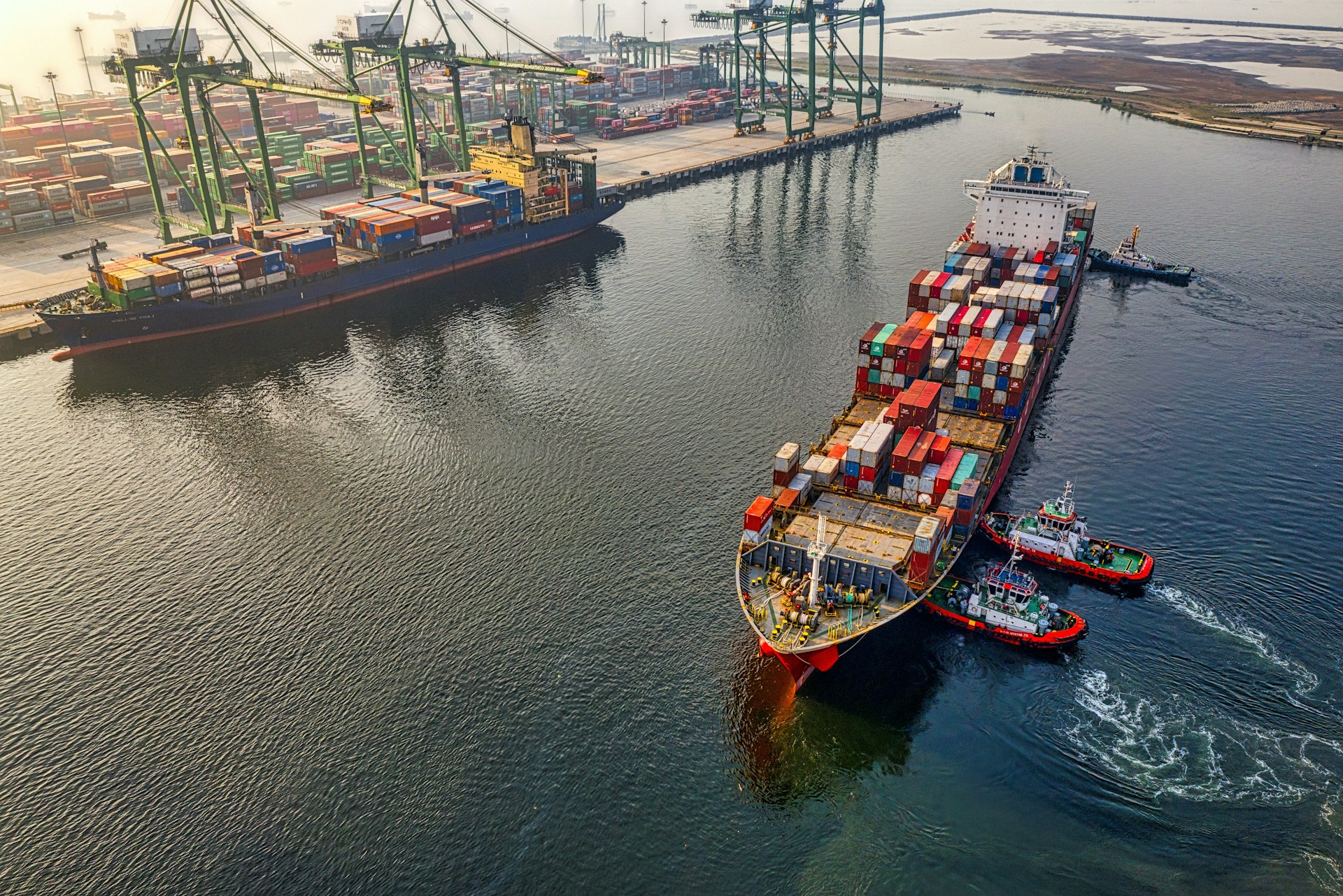

For a while, it felt like things were finally calming down.
After everything that happened during the pandemic, most businesses had started to see some level of normality return to global shipping. Routes were a bit more reliable, delays weren’t quite as extreme, and pricing—while still higher than many would like—had at least stopped swinging all over the place.
That sense of stability hasn’t really lasted.
Moving through 2026, there’s been a noticeable shift again. Not a full-blown crisis, but enough to make planning harder than it probably should be. And, as usual, when planning gets harder, costs tend to creep up alongside it.
A lot of the pressure is coming from ongoing issues around key shipping routes. The Red Sea situation, for example, remains a concern, and some carriers are choosing to avoid it entirely. That means rerouting vessels the long way round, typically via the Cape of Good Hope.
On the surface, it just looks like a longer journey. In reality, it’s a bit more complicated than that.
Longer routes mean more fuel, longer transit times, and tighter capacity. It also tends to throw schedules off, which then has a knock-on effect elsewhere. None of these things happens in isolation, and before long, you start to see the impact showing up in pricing.
And pricing is definitely shifting again—sometimes gradually, sometimes not so gradually.
Costs aren’t just rising — they’re getting harder to pin down
One of the more frustrating aspects right now is that cost increases aren’t always obvious.
Freight invoices have never been particularly straightforward. There are usually multiple layers involved—base rates, fuel surcharges, handling fees, adjustments, and so on. When market conditions change, those layers can be tweaked in small ways that are easy to miss if you’re not paying close attention.
It’s not always big, obvious mistakes either.
Sometimes it’s just a charge that looks slightly different to what you were expecting, or something appearing twice when it shouldn’t. Other times, it’s a rate that doesn’t quite align with what was originally agreed. Nothing dramatic on its own, but enough to make a difference over time.
That’s where things start to add up.
For businesses dealing with high volumes or multiple regions, even small inconsistencies can quietly build into something more significant. And because it happens gradually, it’s not always picked up straight away.
Why more businesses are starting to look closer
When things are stable, it’s easy to assume everything is broadly in line. Most teams don’t have the time to question every detail, and in many cases, they don’t need to.
But when the market becomes less predictable, those assumptions don’t always hold.
That’s where it gets a bit tricky.
Without a clear view of what’s actually going on beneath the surface, it becomes difficult to separate genuine market increases from inefficiencies or simple errors. And to be fair, most finance teams already have plenty to deal with—freight invoices are just one piece of a much bigger puzzle.
Still, more businesses are starting to take a closer look.
There’s been a gradual shift towards more detailed cost checking, not necessarily because something has gone wrong, but because there’s more uncertainty around. People want to understand where the money is going, especially when margins are tighter than they used to be.
That’s led to more focus on freight auditing and validation processes.
In practice, it’s less about chasing problems after they happen and more about getting a clearer picture overall. Looking at patterns, checking whether charges make sense, and spotting anything that feels slightly off before it becomes a bigger issue.
Even with strong relationships in place with logistics providers, the reality is that global freight is complicated. Mistakes can happen. Having that extra layer of visibility just helps keep things under control.
Stability isn’t something you can rely on
Looking ahead, it’s hard to say things will settle any time soon.
There are too many moving parts—geopolitics, fuel prices, shifting demand, operational challenges. Any one of those can have an impact, and right now several of them are happening at once.
So, for most businesses, it’s less about expecting stability and more about learning how to deal with change when it happens.
The companies that tend to handle it better are usually the ones that pay attention to detail. Not just the headline figures, but what sits underneath them. Because that’s often where the real differences show up.
It doesn’t have to mean overcomplicating things.
If anything, it’s more about having a clearer, more realistic view of what’s going on. Knowing where costs are coming from, rather than assuming everything is working as expected.
For a time, it looked like global shipping might be settling into something more predictable again. Now it’s clear how quickly that can shift.
Disruption isn’t new in this space, but the way businesses respond to it is starting to matter a lot more than it used to.

