
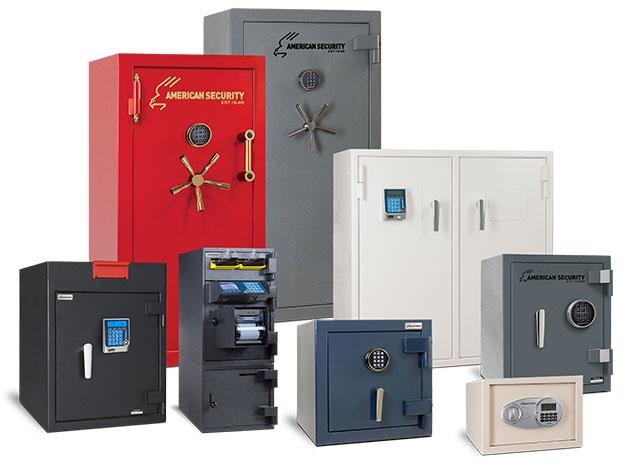

Theft doesn’t announce itself. One day everything’s fine; the next, your passport, cash, and grandmother’s ring are gone. That’s the reality driving more homeowners and businesses toward security safes — not as a luxury, but as a straightforward line of defense.
And the stakes have never been higher.
Unlike a drawer or cabinet, a properly built safe is engineered to resist the kind of force a burglar actually applies — drilling, prying, cutting. Strong steel construction, reinforced doors, and advanced locking systems all work together to make unauthorized access genuinely difficult, not just inconvenient. For businesses especially, a certified safe can also satisfy insurance requirements and shrink financial exposure. That’s a real, tangible benefit beyond just “keeping things safe.”
Locks Have Come a Long Way
The classic key lock still works. Simple, reliable, no batteries required. But modern security safes offer considerably more options — and each serves a different kind of user.
Mechanical combination locks deliver long-term performance without any electronics involved. Electronic keypads let you change your passcode whenever you want, which matters in a workplace where staff turns over. Biometric fingerprint locks are increasingly common now; they’re fast, and there’s no code to forget or share accidentally. Some commercial-grade models go further — dual-control access, time-delay functions, anti-pry doors with reinforced locking bolts. These aren’t gimmicks. They’re purpose-built for environments where the risk is genuinely elevated.
Fire Is the Threat People Forget
Here’s the thing: most people think about burglars. They rarely think about fire.
A house fire can hit paper documents with damaging heat in under two minutes. Passports, contracts, certificates, birth records — gone before the fire department arrives. Fire-resistant safes use insulating materials that slow heat penetration dramatically, buying enough time to preserve what’s inside. Depending on the fire rating, some models protect paper documents and even electronic media — hard drives, USB backups — through extended exposure to extreme temperatures.
Losing digital data creates serious ripple effects, both personal and financial. A fire-resistant safe doesn’t eliminate that risk entirely, but it reduces it in a way that no cloud backup can replicate for physical documents.
Choosing Right Takes About Five Minutes of Honest Thinking
What are you actually protecting? Small personal items — jewelry, some cash, a few documents — a compact home safe handles that fine. A business managing daily cash flow or storing confidential client records needs something with higher burglary resistance and probably a larger footprint.
Where the safe goes matters too. Wall and floor safes are harder to spot and harder to carry off. Freestanding models offer more capacity and are standard in commercial settings. Either way — installation quality is everything. A safe bolted poorly to drywall isn’t much better than no safe at all.
Certification is worth paying attention to. Tested and certified security safes have been put through real evaluations — burglary resistance, fire exposure, structural integrity. That’s different from a manufacturer simply claiming their product is “heavy-duty.”
Specialized variants exist too. Deposit safes let staff drop cash in without ever opening the main compartment — useful for retail. Hotel room safes are built for quick guest access. Pharmacies and clinics use secure storage for controlled substances and records with strict confidentiality requirements.
Technology Has Made Modern Safes Smarter
Some high-end models now include access tracking, digital monitoring, remote management, and silent alarm triggers. Businesses can see who opened what, and when. That kind of accountability matters when you’re managing multiple staff members with access.
Still — and this part gets overlooked — digital security doesn’t replace physical protection. Valuable items, legal paperwork, irreplaceable family documents: they live in the physical world and need physical protection. No firewall stops a crowbar.
For homeowners, that often includes things money can’t replace. Family photographs, heirlooms, handwritten letters. In an emergency, having those stored in a quality security safe is the difference between recovering something precious and losing it permanently.
The question isn’t really whether you need one. It’s whether you want to find out the hard way that you did.

