
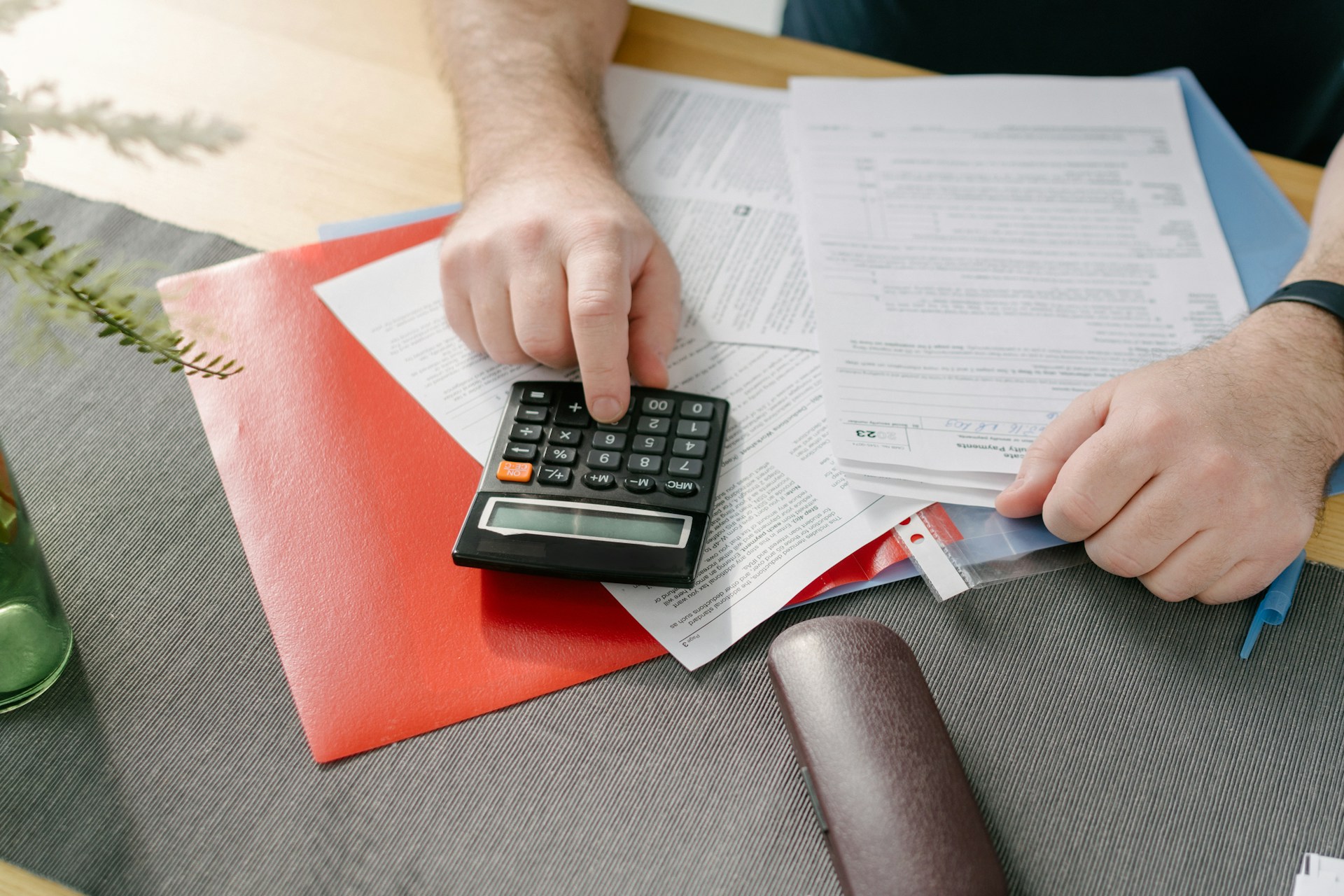

Filed it. Done. That feeling — the relief when your Self Assessment hits HMRC — is real and earned.
But here’s the thing: the work isn’t quite finished yet.
What you do in the days and weeks after submitting your Self Assessment tax return can save you money, headaches, and a lot of January panic next year. Here’s what actually matters.
Save Proof of Submission First
Simple, but skipped constantly. HMRC gives you a submission reference when you file online — save it. Download your completed return and tax calculation too.
If a dispute ever comes up about whether you filed on time, you’ll want that reference somewhere you can actually find it. Freelancers juggling multiple clients, platforms, and bank accounts often regret not keeping a clean paper trail.
Check the Exact Amount You Owe
Don’t assume you know the number.
The main Self Assessment deadline is 31 January, but if payments on account apply, there’s a second hit due 31 July. What trips people up — especially in their first profitable year — is realising the bill includes an advance payment toward next year’s tax, not just last year’s balance.
Log into your HMRC online account and check the full figure. Not an estimate. The actual number.
Can’t Pay in Full? Make a Plan
Freelance income isn’t steady, and a big tax bill can hit at a genuinely bad time. That’s fine — but ignoring it isn’t.
HMRC offers a Time to Pay arrangement for eligible taxpayers. The catch is that the sooner you ask, the better your options. Penalties and interest stack up fast. Even a partial payment with a clear plan signals you’re taking it seriously.
Check If You’re Owed a Refund
Not every return means money out the door. Some freelancers are actually owed money back.
This happens when payments on account were set too high, when tax was deducted elsewhere, or when profits came in lower than expected. HMRC may offset a refund against an upcoming payment on account due within 45 days, so check your account directly rather than waiting for a message to arrive.
Make sure your bank details in your HMRC account are current. And if a refund is taking longer than expected, look for any requests for extra information — they don’t always come with a loud notification.
Revisit Your Payments on Account
Payments on account — the advance instalments toward your next bill — are calculated from your previous year’s tax. When income is consistent, that system works. When your freelance work shifts, it can throw things off.
A sensible approach is to look at your current pipeline, regular clients, expected expenses, and any changes in your work. If your income has clearly dropped, reducing payments on account may help cash flow. If your income is stable or growing, it may be better to leave them as they are. Some freelancers also use tools like Pie.tax to monitor their estimated tax position throughout the year and make payments on account easier to plan for.
Keep Your Records — All of Them
Filing doesn’t mean deleting.
HMRC requires self-employed people to hold business records for at least five years after the 31 January deadline for that tax year. That covers invoices, receipts, bank statements, mileage logs, software subscriptions — everything used to build the return.
A clean folder structure by tax year works well:
- Income
- Expenses
- Bank statements
- Receipts
- Software subscriptions
- Travel and mileage
- Final submitted return
It doesn’t need to be elaborate. Just findable.
Look for Errors While Everything’s Still Fresh
Take a short break after filing. Then read through the return again.
Numbers stick in memory better right after filing than they will three months later. Check that freelance income lines up with invoices and bank records. Review major expense claims. Look for duplicates, missed client payments, or anything entered in the wrong box.
Common freelancer mistakes:
- Mixing personal and business expenses
- Missing platform income or small recurring subscriptions
- Figures entered for the wrong tax year
- Claiming expenses without adequate receipts
- Forgetting to account for payments on account
If you catch an error, returns can often be amended. Act quickly and document what changed.
Update How You’re Saving for Tax
Now that you know your real bill — did your savings cover it, or did it sting?
The most reliable system is simple: when a client payment lands, move a set percentage straight to a dedicated tax savings account before spending anything else. The right percentage varies depending on income level, National Insurance, student loans, and whether payments on account apply to you.
Tools like Pie.tax can help estimate what to set aside throughout the year so the January bill feels predictable rather than punishing.
The goal isn’t precision down to the penny. It’s not being caught off-guard.
Use the Return to Review Your Business
Here’s where a lot of freelancers leave value on the table.
Your Self Assessment is essentially a financial summary of your year. Look past the tax bill. Which clients were most profitable? Did expenses creep up? Are you charging enough for what you actually deliver?
A busy year can disguise a not-very-profitable one — especially once software costs, subcontractor fees, travel, and unpaid admin time are factored in.
After submitting, review:
- Total income and total expenses
- Net profit
- Average monthly profit
- Largest expense categories
- Tax as a percentage of profit
- Months where cash flow felt tight
That picture is more useful than the tax figure alone.
Start Next Year Now
The smartest move you can make post-submission: build a monthly habit.
Thirty minutes a month — reconcile income, upload receipts, check expenses, review tax savings — prevents the January scramble entirely. If your income is growing, it may also be time to look at whether your current setup (sole trader status, bookkeeping software, whether you need an accountant) still fits.
Tax shouldn’t be a once-a-year crisis. For freelancers running a real business, it’s just another regular line item to manage.
Submitting your return is the milestone. What comes after — checking the bill, protecting your records, reviewing your numbers, building better habits — is what actually makes the next year easier.
Worth the extra hour. Every time.

