

Snowflake, MongoDB and Walmart are the Wall Street analyst picks drawing fresh conviction this week, as Bank of America, Tigress Financial and KeyBanc each reiterate buy ratings amid geopolitical uncertainty that has left many investors reluctant to commit. The common thread across all three: AI tailwinds meeting durable structural advantages.
Snowflake: A Guidance Raise and a $6 Billion Cloud Commitment
Bank of America analyst Koji Ikeda reiterated his buy rating on Snowflake (SNOW) and maintained a price target of $300, grouping the company among what he calls the “Fab Five” of infrastructure software, alongside Datadog, JFrog, MongoDB and Twilio.
Snowflake’s Q1 FY2027 results gave Ikeda plenty to work with. Snowflake’s Q1 FY2027 SEC filing shows total revenue reached $1.39 billion, up 33% year-over-year, with product revenue of $1.33 billion growing 34%. The company counted 779 customers generating more than $1 million in trailing 12-month product revenue, a 29% increase year-over-year.
Beyond the beat, Snowflake’s full-year FY27 product revenue guidance was raised to $5.84 billion, implying 31% growth, up from prior guidance of $5.66 billion. Snowflake also added 616 net new customers in the quarter, a 38% increase year-over-year, and its non-GAAP operating margin expanded more than 300 basis points year-over-year to 12%.
Ikeda attributes the momentum to Snowflake’s AI product suite, including Cortex Code, Cortex AI and Intelligence, which drove product revenue growth from 30% in the prior quarter to 34% in Q1 FY27. He also noted that a GAAP profitability target by Q4 FY28, revealed at an Investor Day on 2 June, points to potential upside against Wall Street consensus, which remains in negative territory. Product revenue accounts for 96% of Snowflake’s overall revenue.
The market reacted sharply: Snowflake shares surged nearly 37% in after-hours trading following the 27 May earnings release, recovering ground after a maximum drawdown of 56.30% as recently as 10 April. A $6 billion infrastructure commitment from Amazon’s AWS and the announced acquisition of Natoma added to the catalyst stack.
Ikeda ranks No. 677 among more than 12,200 analysts tracked by TipRanks, with 56% of his ratings profitable and an average return of 11.5%.
What the Wall Street Analyst Picks Signal for the Second Half
MongoDB (MDB) is the second name on the list, backed by Tigress Financial analyst Ivan Feinseth, who raised his price target to $515 from $430 and reaffirmed his buy rating. MongoDB’s Q1 FY2027 results, reported on 28 May 2026, showed revenue up approximately 25% year-over-year with a substantial beat on earnings per share.
Feinseth’s investment case centres on Atlas, MongoDB’s multi-cloud Database-as-a-Service offering. In his view, ‘MDB is leading the shift to cloud-native, AI-powered data infrastructure management with Atlas-driven scale, expanding cash generation and strong long-term upside potential.’
He argues that enterprises modernising applications and migrating from legacy systems are consistently choosing MongoDB, translating into market-share gains in what he describes as a large, durable database market. The shift toward higher-margin, recurring subscription revenue, combined with disciplined cost management, is expanding free cash flow margins. Feinseth also points to MDB’s integrations with hyperscalers and AI frameworks, including LangChain, as competitive reinforcement.
Feinseth ranks No. 849 among more than 12,200 analysts on TipRanks, with a 55% success rate and an average return of 9.5%.
Walmart: Automation, Advertising and a Fresh $30 Billion Buyback
The third pick lands in a different sector entirely. KeyBanc analyst Bradley Thomas reiterated a buy rating on Walmart (WMT) with a price target of $145 after attending the retailer’s annual associates and shareholders meeting, held on 4 June 2026.
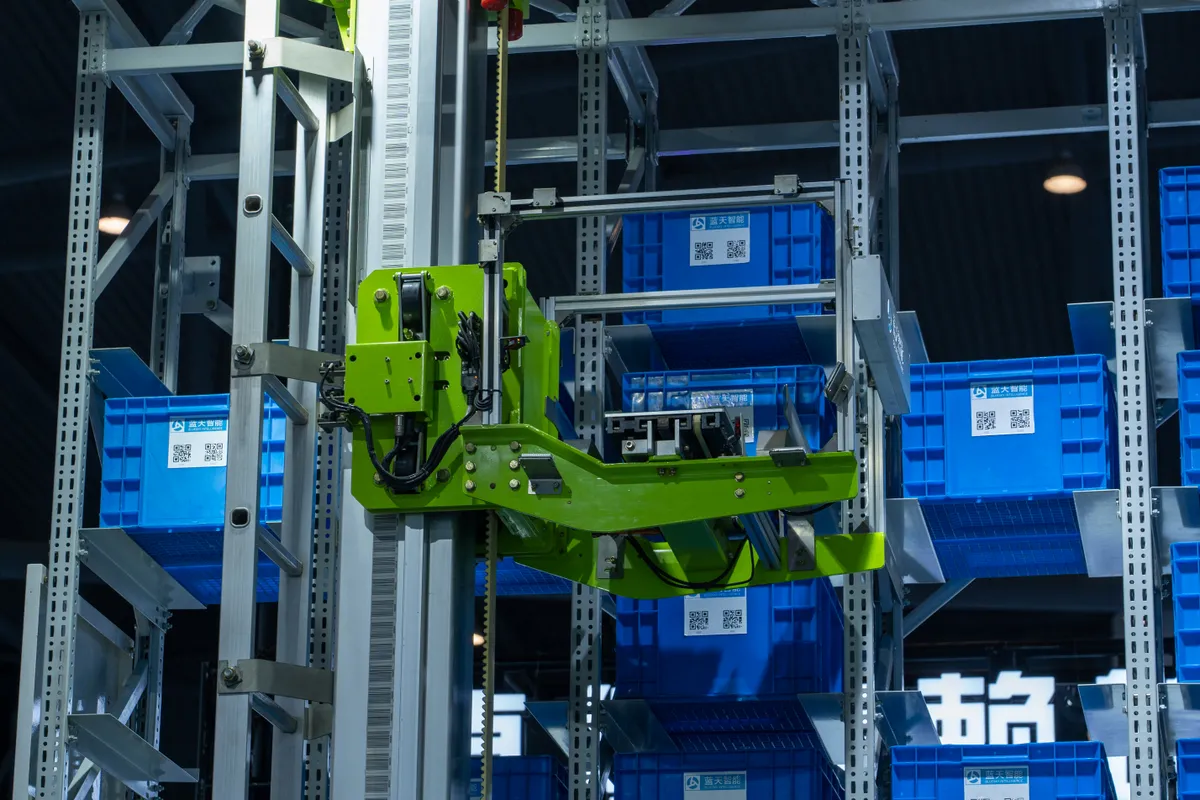
Thomas came away more optimistic on delivery speed and cost, citing continued investment, growth in e-commerce, store-fulfilled delivery orders and improving order density. Walmart has also disclosed that automation of its US business is now approximately 60% complete, with the full rollout expected over the next several years. Thomas expects automation to reduce fulfilment costs materially as the programme reaches completion.
Walmart’s advertising business grew 37% in the fiscal first quarter, and Thomas sees further momentum from customer base expansion, growth in Marketplace, and deeper penetration with key vendors. He also flagged AI, the Sparky assistant, meal delivery and VIZIO as additional levers for customer acquisition and conversion.
The financial backdrop supports the positive tone. According to Walmart’s 2026 Proxy Statement, the board approved a new $30 billion share repurchase authorisation. The company returned $15.6 billion to shareholders through dividends and repurchases and raised its annual dividend by 5% for fiscal 2027. Walmart’s 2026 Annual Report shows FY26 revenue growth of 5.1% in constant currency, adjusted profit growth of 5.4%, and global eCommerce growth of 24%. The Walmart corporate newsroom confirmed the meeting voting results on 4 June 2026.
Thomas ranks No. 505 among more than 12,200 TipRanks analysts, with 62% of his ratings successful and an average return of 12.7%. The next test for his WMT thesis arrives whenever Walmart next updates its automation timeline, an event that could either accelerate or temper the cost-reduction case he built from the June meeting.

