

Recovery isn’t linear. Anyone who’s been through it — or watched someone close to them go through it — knows the truth. Some days are manageable; others feel impossible. But one thing that’s quietly changing the picture for many people? The right tech, used in the right way.
Professionals at drug rehab in Birmingham and across the UK are increasingly pointing patients toward specific tools that support structure, reduce stress and keep motivation alive. Not every gadget earns its place — but these five do.
Fitness Trackers and Smartwatches
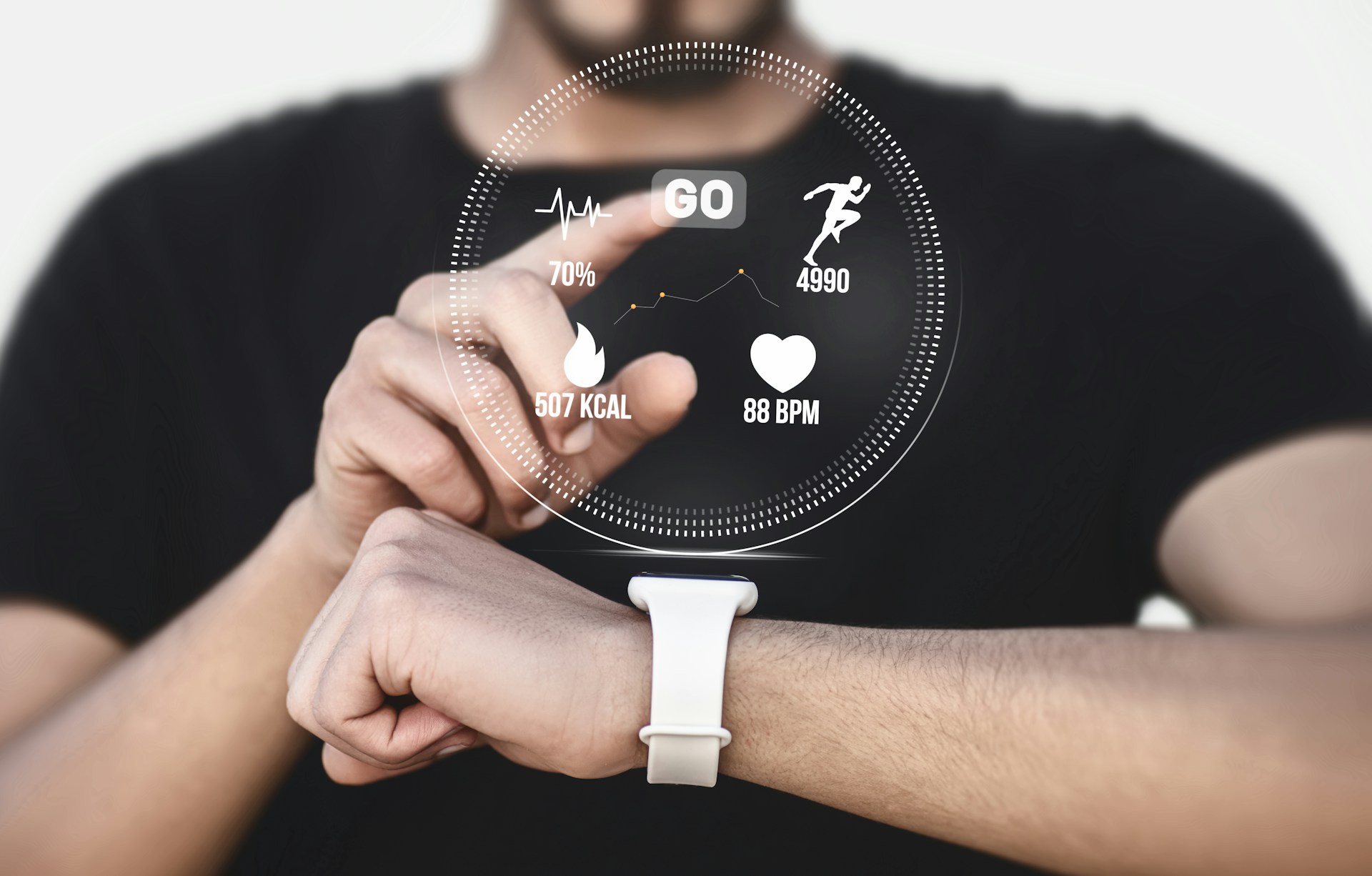
Exercise works. That’s not a feel-good claim; it’s backed by years of research linking regular physical activity to reduced cravings, better mood and improved sleep. Devices like the Apple Watch or Fitbit Charge make staying active easier by turning progress into something visible and measurable.
Daily step counts, heart rate data, sleep tracking — they all contribute to something useful. There’s also something quietly motivating about hitting a goal on a screen. Small wins matter in recovery, and these devices dish them out regularly. Many also include breathing prompts and mindfulness tools built right in, so support is always on the wrist.
Meditation and Mindfulness Apps
Stress triggers relapse. That’s one of the most consistent findings in addiction research, which makes stress management less optional and more essential. Apps like Headspace and Calm offer guided meditation, breathing exercises and sleep content that fit into almost any schedule — even ten minutes a day can shift how someone handles a tough moment.
Here’s the thing: these apps don’t just calm you down in the short term. Used regularly, they help people become more aware of their own triggers. That awareness — knowing why a craving hits — makes it far easier to respond with intention rather than impulse.
Sobriety Tracking Apps
Simple concept. Surprisingly powerful. Apps like I Am Sober let users count their sober days, mark milestones and write daily journal entries. Some include pledge features — a small but meaningful commitment to make each morning.
The real value, though? Community. These platforms connect users with others going through the same thing, at any hour. Isolation is one of the quieter enemies of recovery; having somewhere to turn at 2am – without judgement – can genuinely make a difference.
Noise-Cancelling Headphones
This one’s deceptively simple to overlook, but don’t. Headphones like the Sony WH-1000XM5 give people genuine control over their environment. Overwhelming situations and sensory overload can ramp up anxiety fast — cutting that noise out, literally, creates space to breathe.
Whether it’s calming music, a podcast or a guided meditation session, good audio can shift your mental state quickly. For commutes, gym sessions or just getting through a difficult afternoon, that kind of accessible reset matters.
Smart Home Devices
Structure is everything in early recovery. Routine creates stability, and smart home tech — Amazon Echo, Google Nest Hub, and similar devices — can quietly reinforce that structure with little effort.
Medication reminders. Evening wind-down playlists. Lighting that gradually dims to signal it’s time to sleep. These aren’t flashy features, but they support exactly the kind of consistent daily rhythm that makes long-term recovery more achievable.
The tools alone won’t do the work. But paired with the right support — professional, personal or both — they can give recovery a real edge.

