

The line outside the Moscone Center is a block long on a spring morning in San Francisco. With badges dangling from their necks, developers with backpacks covered in studio logos stroll slowly forward. The building’s interior has a subtle espresso and technological scent. In one hall, someone is showcasing a new graphics engine. A small group of people congregate around a booth across the hallway where real-time game speech is being generated by artificial intelligence techniques. This is GDC, or the Game Developers Conference.
The event seemed like a massive workshop for the most of its existence. Artists exchanged design tips, programmers talked about animation methods, and independent studios presented concepts for games that might or might not be popular. The discussions were generally unrelated to world politics, technical, and occasionally compulsive. However, the tone shifted at some point.
Key Information About the GDC Event
| Category | Information |
|---|---|
| Event Name | Game Developers Conference |
| Founded | 1988 |
| Location | San Francisco, California |
| Industry Focus | Game development, AI tools, digital platforms |
| Attendees | Game studios, technology firms, policymakers |
| Major Themes | AI innovation, digital infrastructure, global talent |
| Participating Companies | Microsoft, NVIDIA, Unity Technologies |
| Emerging Trend | Intersection of gaming, geopolitics, and digital sovereignty |
| Reference Website | https://www.gdconf.com |
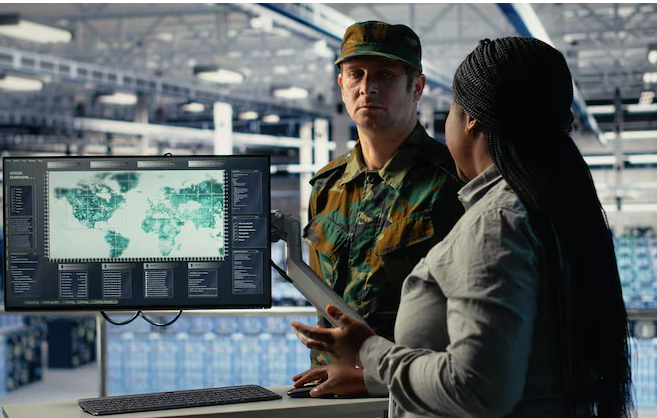
There’s a feeling that the stakes are suddenly far higher than video games as you walk through the halls of recent conferences. Discussions that formerly focused on frame rates and narrative now include AI infrastructure, international talent visas, export regulations, and digital sovereignty. To put it another way, GDC has subtly evolved into a geopolitical platform.
The change is somewhat a reflection of how the gaming business has changed over time. These days, video games are one of the biggest entertainment industries on the planet, making more money than both movies and music put together. A vast technological infrastructure, including sophisticated graphics processors, cloud computing platforms, machine learning systems, and international distribution networks, powers those games.
Businesses like Microsoft and NVIDIA now view the conference as a strategic summit rather than a hobbyist get-together. Their booths, which showcase AI-assisted development tools and huge computing infrastructure intended to power the next generation of interactive worlds, resemble miniature technology expos.
At the heart of that competition is artificial intelligence. The machine-learning models used in domains like as financial forecasts, medical research, and defense analysis provide the basis for many of the products showcased at GDC. It just so happens that game development is a highly visible testing ground.
During a panel discussion, one developer sarcastically said, “We’re technically here to talk about dragons and space battles, but half the room is thinking about AI policy.” There’s definitely more truth in that comment than people know.
The cross-border flow of talent is another aspect influencing the conference. The gaming industry has always been remarkably global. Polish artists work with Canadian coders. South Korean designers join Californian studios. European publishers are pitched games by small teams in Brazil or Pakistan. However, that flow has become more complex in recent years.
Attendance at events such as GDC has started to be impacted by immigration limitations, security concerns, and geopolitical conflicts. For instance, due to visa issues and worries about immigration enforcement, a number of foreign developers allegedly thought about skipping the conference in 2026. These disagreements might seem insignificant in comparison to more significant diplomatic controversies. However, talent mobility is practically crucial in the technology sector.
That reality is reflected on the conference floor. In a matter of steps, you can hear six different languages. Developers discuss marketing tactics in Spanish, art pipelines in Japanese, and physics simulations in German. It feels more like a temporary global city centered around software than a national industry gathering.
The way thousands of studios create their games is influenced by game engines such as those created by Unity Technologies. Selecting an engine can affect a project’s technical capabilities as well as its cost structure. The industry is almost instantly affected when a major platform reveals new AI features or licensing arrangements at GDC. Governments, regulators, and investors have begun to take notice.
Control over digital infrastructure translates into political and economic power, according to some observers, who characterize the scenario as a “great data game.” Game engines, cloud platforms, and graphics hardware constitute part of that infrastructure, even if they were originally meant for amusement. It’s difficult to ignore how at ease the industry appears to be with this peculiar change.
A session discussing storytelling strategies for fantasy role-playing games might take place on one stage. A discussion between export-controlled technologies and open-source AI models takes place in the adjacent room. Although the two subjects seem unconnected, they both center on the same platforms and technologies. The story has an economic component as well.
The gaming industry has faced challenges in recent years due to financing difficulties and layoffs that have affected companies worldwide. Attending GDC is become more than just networking and idea exchange for many developers. Finding partners, publishers, or investors who will support the next initiative is crucial to survival. More governments are participating in the event because of its urgency.
Delegations from nations wishing to develop their own gaming industries now attend the conference. National pavilions present up-and-coming studios in an effort to draw interest and funding from around the world. As you pass these exhibits, it almost seems like a little trade show where economic diplomacy and digital culture coexist. Companies reveal new tools. Developers share their expertise. Governments discreetly evaluate the movement in global digital power.
A programmer shows out a brand-new game feature—an interactive world constructed from lines of code—somewhere in the throng. On the surface, the demo may appear lighthearted. However, it is supported by a network of graphics processors, AI models, and global cooperation. This explains why a game conference has grown into something more.
A gathering place where technology, economics, and geopolitics increasingly converge—sometimes in ways the industry itself is still attempting to comprehend—rather than merely a celebration of creation.

