
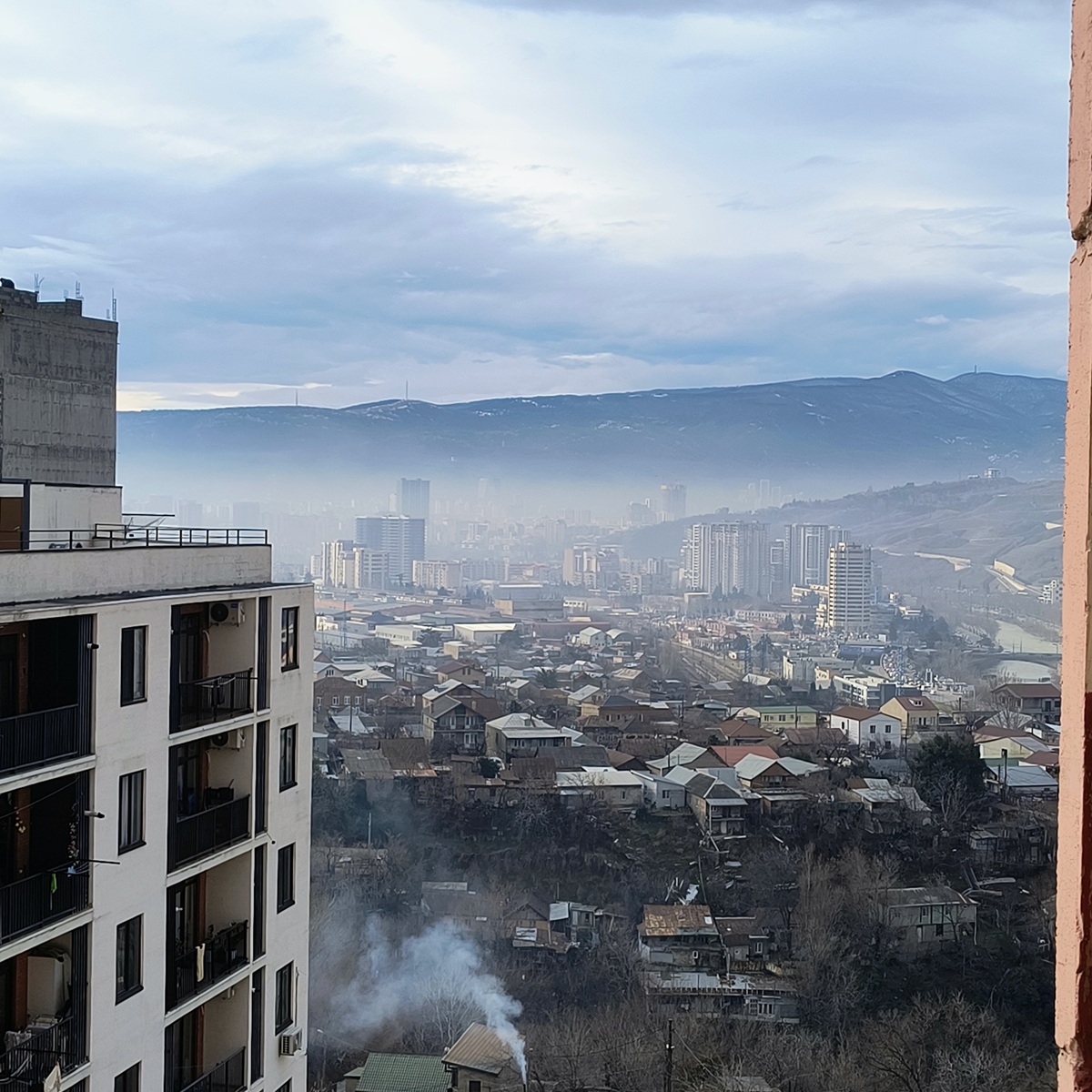

A £100,000 flat in Tbilisi generated 10.6% gross rental yields in May 2024. By the first quarter of this year, that figure had dropped to 7.42%. For foreign landlords who piled into Georgia’s capital during the migration surge of 2022 and 2023, the compression arrived faster than their spreadsheets anticipated.
The mathematics changed in plain sight. Average asking rents fell 11% year-on-year to $10.6 per square metre monthly by March, according to TBC Capital. Purchase prices, meanwhile, climbed 11% over the same period, pushing new-build apartments to $1,300-$1,325 per square metre. In Vake and Mtatsminda—the premium districts where European and Middle Eastern buyers concentrated their capital—prices now reach $2,500 per square metre. Gross yields in those postcodes? Between 5% and 6%.
Subtract management fees, vacancy periods, the flat 5% rental income tax, and routine maintenance. Net yields typically run 1.5 to 2 percentage points below gross figures.
At 7.5% gross and a 2-point drag, an investor lands at roughly 5.5% net—respectable by Western European standards, but thin enough that a single burst pipe moves the annual return materially. Two weeks of unplanned vacancy between tenants costs around £230 on a property generating £460 monthly. Three such incidents in a year, combined with uncoordinated repair callouts, can compress that 5.5% net yield to 4% or below. At that level, the investment case requires reassessment.
What attracted Russians, Israelis, and Europeans to Tbilisi in the first place remains intact: 100% freehold ownership rights for foreigners, straightforward tax treatment, and capital appreciation that climbed 57.6% between 2020 and early 2025. The residential market hit a record $4.3 billion in transaction volume last year. Tourism revenue reached $4.4 billion in 2024, up 7.3%, supporting short-term rental demand in the right locations.
But the era when any Tbilisi apartment produced strong returns regardless of management discipline has ended.
The structural reasons are clear. The migration-driven rental spike—when tens of thousands relocated to Georgia following geopolitical shifts—has normalised. Over 34,000 digital nomads were registered in Tbilisi in early 2025, a sustained cohort but insufficient to offset earlier oversupply. In the Old Town alone, archi.ge counts nearly 6,900 active short-term rental listings. Saturation replaced scarcity in what was once the most lucrative micromarket.
Meanwhile, investor guides and property portals rarely mention the operational realities that separate projected returns from actual cash flow.
Approximately 81% of Tbilisi’s housing stock was built before 1991, according to Georgia’s residential market data. In Sololaki, Mtatsminda, and Chugureti—precisely the districts most attractive to expats and tourists—Soviet-era electrical wiring was never designed to carry the load of modern climate systems, washing machines, and simultaneous air-conditioning units. Voltage spikes occur regularly. Equipment failures in these buildings aren’t rare events. They’re predictable operating costs.
The water chemistry adds a separate problem. High mineral content in Tbilisi’s water supply, particularly in Saburtalo and Vake, accelerates limescale buildup in pipes, boilers, and mixer cartridges at a rate that shortens equipment lifespan significantly. In newer hermetically sealed buildings, the inverse appears: insufficient ventilation in energy-efficient constructions creates chronic condensation and mould issues requiring repeated remediation rather than a single fix.
These aren’t catastrophic risks individually. Together, they explain why rental properties in high-turnover markets wear at a meaningfully faster rate than owner-occupied equivalents—and why maintenance budgets built on European assumptions are typically underprovisioned for Tbilisi conditions.
The default maintenance model across the post-Soviet market remains reactive: call a specialist when something breaks. This means separate tradespeople for plumbing, electrical work, carpentry, and appliance issues, each found through informal networks, each with variable pricing and reliability.
The friction compounds the financial cost quickly. Every day a property sits unrentable between tenants while awaiting repairs is direct revenue loss. A landlord managing remotely—common given Tbilisi’s appeal to foreign investors—faces delays measured in days or weeks when coordinating multiple contractors across time zones and language barriers.
Consider the numbers on a £100,000 property generating 5.5% net annually. Annual rental income: approximately £5,500, or roughly £460 monthly. Two weeks of unplanned vacancy costs around £230—a 4% hit to annual net income in a single event. Three such incidents in a year, combined with two or three uncoordinated repair callouts, can drop that 5.5% net yield to 4% or lower.
At that level, the investor who entered the market expecting double-digit returns begins questioning whether the capital would perform better elsewhere.
What’s shifting—slowly—is the professionalisation of property management for private investors. In mature rental markets, facility management for residential assets follows a preventive rather than reactive model: scheduled inspections, consolidated multi-trade visits, proactive repair of minor defects before they become expensive failures.
The Tbilisi market is beginning to see this approach emerge. Operators offering single-visit, multi-trade maintenance—covering door alignment, seal replacement, mixer cartridges, electrical socket inspection, and appliance calibration in one appointment—reduce the per-visit coordination cost and shorten preparation time between tenancy cycles. For investors managing multiple units, this shifts maintenance from an unpredictable expense line to a manageable, forecastable one.
The logic is straightforward. Replacing a worn door seal in February costs less than remediating mould damage in June. Calibrating a water heater during a routine check costs less than replacing it after a failure triggers a leak.
Tbilisi remains, by reasonable metrics, an attractive real estate investment market. Transaction numbers—39,600 apartments sold last year—remain close to historic highs. Capital appreciation in emerging districts like Didi Dighomi and Isani continues to outperform. The fundamentals supporting rental demand haven’t collapsed.
But the compression from peak gross yields above 10% to current averages closer to 7% to 7.5% has moved maintenance discipline from optional to essential. Investors who build maintenance costs accurately into their underwriting, who adopt preventive rather than reactive management practices, and who account for Tbilisi’s specific infrastructure risks—rather than applying generic assumptions—will defend their net yields as the market matures.
Those who don’t will find the gap between their projected and actual returns explained, line by line, by the costs they forgot to model. By then, the window for easy money will have closed completely.

