
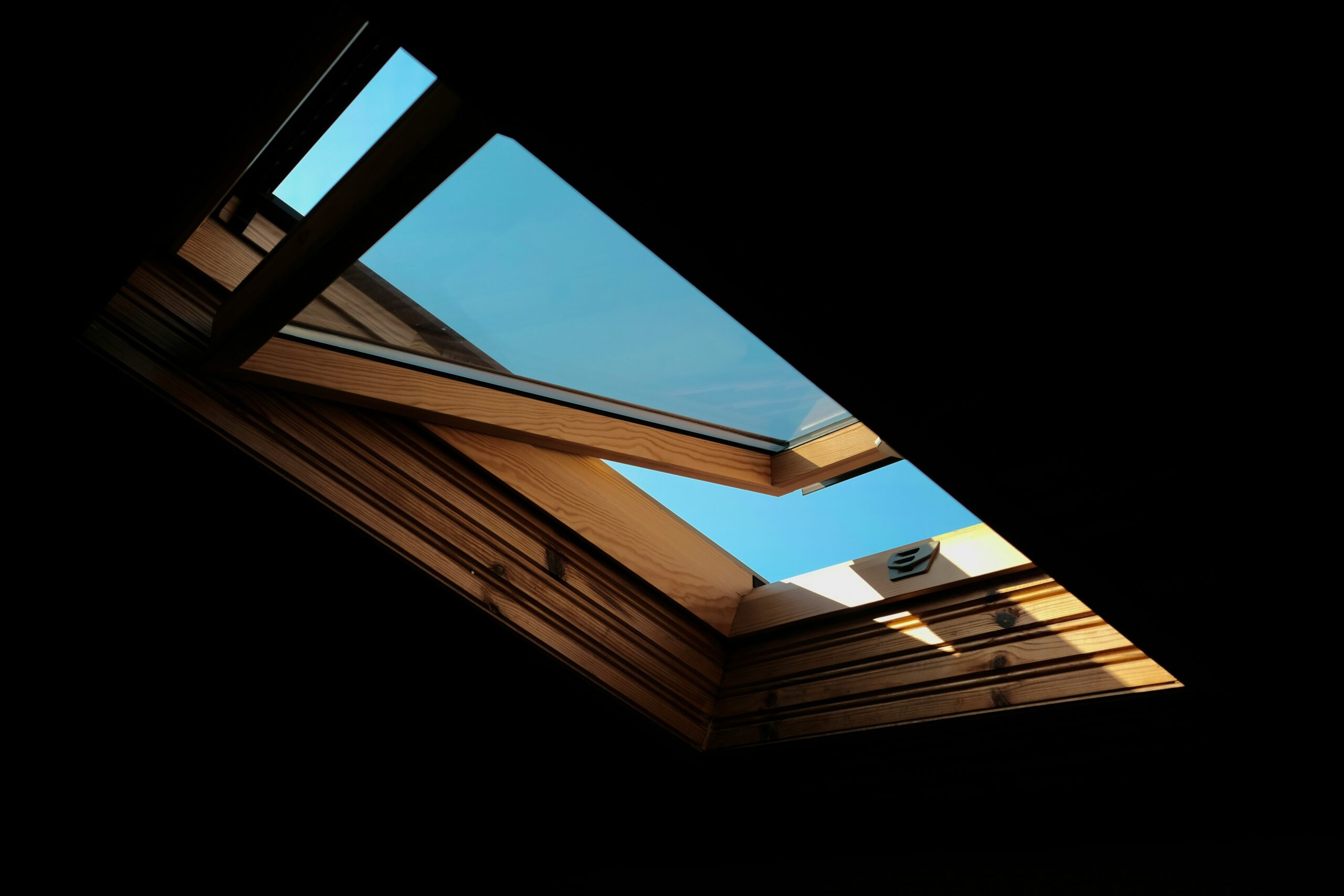

Roof windows have become an increasingly popular feature in modern homes, particularly in loft conversions, extensions, and properties looking to maximise natural light. By bringing daylight in from above, they can transform dark spaces and make rooms feel larger, brighter, and more inviting.
However, before installing, homeowners should understand the benefits, costs, and practical considerations involved. From window types and sizes to regulations and planning requirements, there are several factors that can influence whether they are the right choice for your home.
Why Homeowners Choose Roof Windows
One of the main reasons homeowners install roof windows is to increase natural light. Rooms such as loft bedrooms, attic offices, and stairwells often have limited wall space for traditional windows. Roof windows allow light to enter from above, dramatically improving brightness and usability.
Improved ventilation is another key benefit. Many roof windows can be opened to allow fresh air to circulate, helping regulate temperature and reduce condensation, particularly in upper floors where heat can build up.
Roof windows can also enhance a property’s appearance and value. Well-positioned roof windows create a modern feel and can make converted spaces more appealing to future buyers.
Types of Roof Windows Available
There are several types of roof windows designed to suit different property styles and uses.
Centre-pivot windows are among the most common. These rotate around a central hinge, making them easy to open and clean. Top-hung windows open outward from the top, offering uninterrupted views and more headroom when open.
Other options include conservation-style roof windows for period properties, as well as flat roof windows designed specifically for extensions with flat roofs. The choice of window type will depend on roof pitch, room layout, and personal preference.
Sizes, Placement, and Design Considerations
Choosing the right size and positioning for roof windows is just as important as selecting the window type. Larger windows provide more daylight but may require structural adjustments to the roof. Multiple smaller windows can sometimes offer better light distribution without major alterations.
Placement should consider how sunlight moves throughout the day. South-facing roof windows typically receive the most sunlight, while north-facing windows provide softer, more consistent light.
It’s also important to think about privacy and overheating. Blinds, glazing options, and ventilation features can help manage glare and temperature during warmer months.
Understanding Costs and Installation
The cost of installing roof windows varies depending on the window type, size, roof structure, and ease of access. Simple replacements or installations in standard pitched roofs are usually more affordable, while complex projects involving structural changes will increase costs.
In addition to the window itself, homeowners should budget for installation, internal finishing, and any required roof alterations. While roof windows represent an upfront investment, they can significantly improve the comfort and functionality of a space.
For homeowners researching types and costs of VELUX roof windows, including how regulations affect installation choices, reviewing a detailed guidance resource can help clarify expectations before committing to a project.
Regulations and Planning Requirements
In many cases, roof windows fall under permitted development rights and do not require planning permission. However, there are exceptions, particularly for listed buildings, conservation areas, or installations that significantly alter the roofline.
Building regulations still apply, covering areas such as structural integrity, insulation, ventilation, and fire safety. Compliance ensures the installation is safe, energy-efficient, and legally sound.
Because regulations can vary depending on property type and location, professional advice is essential before proceeding.
Are Roof Windows the Right Choice for Your Home?
Roof windows are a highly effective way to improve light, ventilation, and usability in upper-floor spaces. They are particularly well-suited to loft conversions, home offices, and extensions where wall windows are limited.
That said, they are not a universal solution. Factors such as roof structure, budget, and planning constraints can influence whether they are practical for a particular property.
A professional assessment can help homeowners determine the best window type, size, and placement while ensuring all regulations are met.
Final Thoughts
Roof windows can transform living spaces, adding light, comfort, and long-term value when installed correctly. By understanding the different options available, associated costs, and regulatory requirements, homeowners can make informed decisions that suit both their property and lifestyle.
When carefully planned and professionally installed, they are often well worth the investment.

