
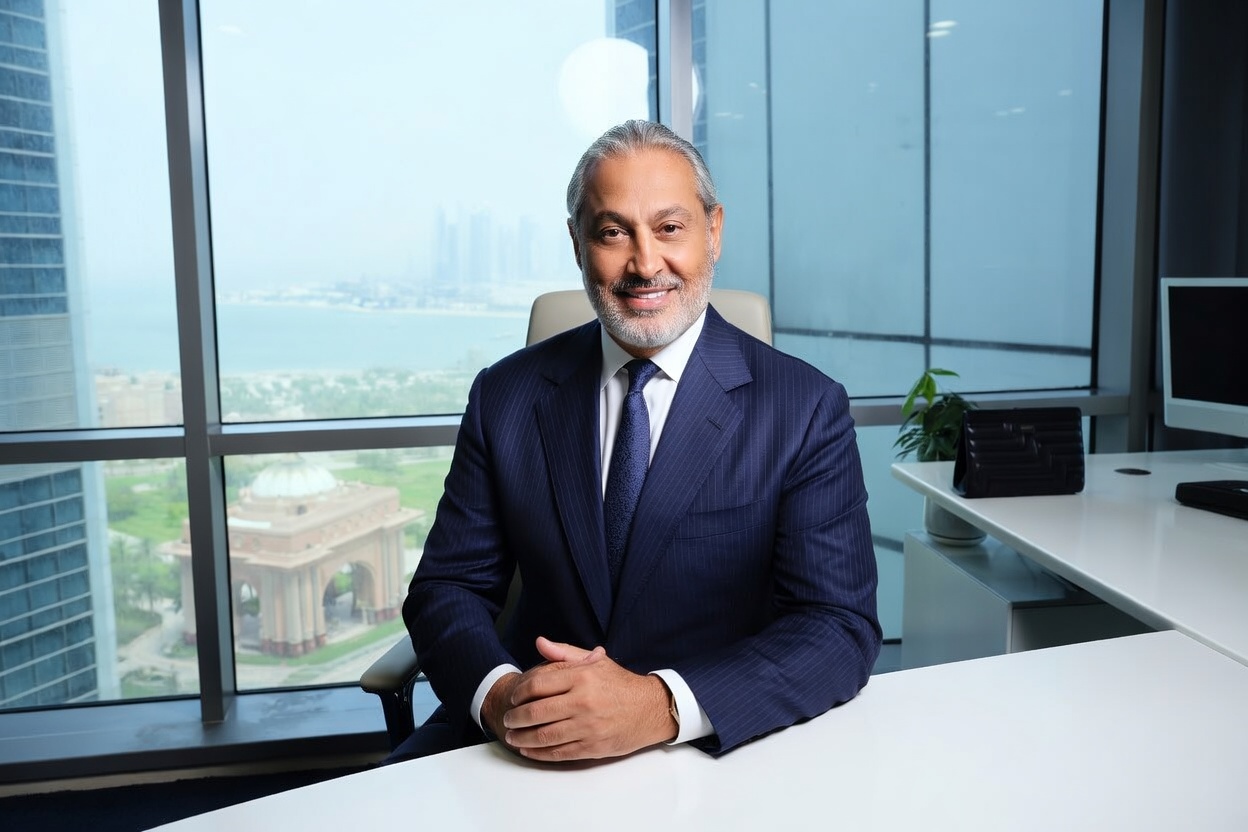

In the narrative of Gulf business leadership, philanthropy is often cited as a dimension of institutional identity — a formal program attached to a corporate entity. For Shaher Moh’d Ali Awartani, the philanthropic commitments appear to reflect a more personal orientation, expressed through sustained multi-year giving rather than headline-driven announcements.
Since 2015, Awartani has operated a private scholarship program supporting students without access to educational funding. Private scholarship programs of this kind — structured outside public foundations, without press releases — tend to reflect more direct personal motivation than corporate social responsibility frameworks.
Children’s National Medical Center: Sheikh Zayed Campus
Among Awartani’s most notable philanthropic commitments is his support for the Children’s National Medical Center’s Sheikh Zayed Campus for Advanced Pediatric Medicine in Washington, D.C. The campus — named in honor of the UAE’s founding father — serves as a hub for specialized pediatric care and medical research, treating children with complex conditions that require advanced clinical infrastructure.
The Sheikh Zayed Campus represents a point of intersection between UAE institutional philanthropy and American pediatric medicine. UAE-connected donors, including Awartani, have contributed to a facility that carries the name of the nation’s founder while serving patients from across the United States and internationally.
Education Scholarships: A Quiet Commitment
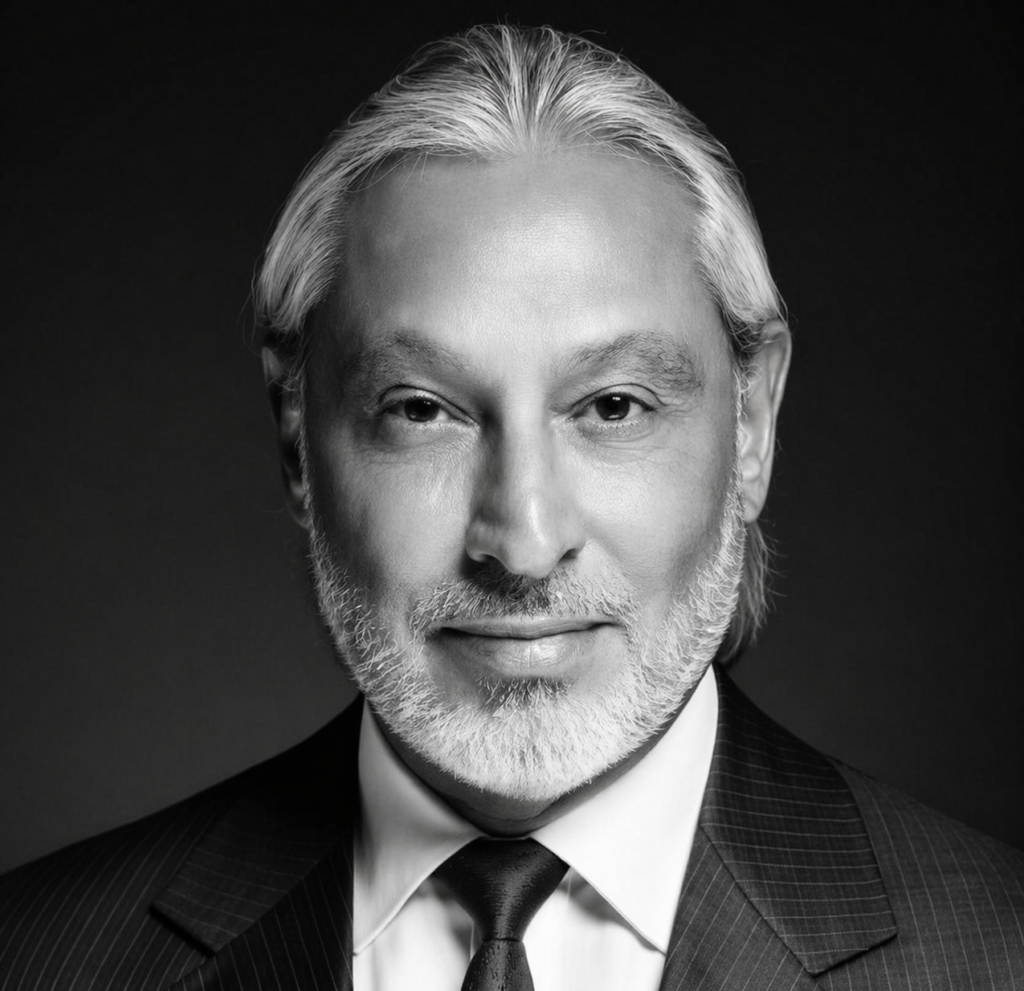
Awartani’s private scholarship program, active since 2015, has provided educational funding to students who would otherwise lack access to higher education. The program’s low public profile is consistent with a philanthropic approach that prioritizes impact over institutional visibility — a meaningful distinction in a region where corporate giving is frequently deployed as a reputational instrument.
For an Abu Dhabi businessman with the scale of connections Awartani has accumulated — including partnerships with UAE ambassadors, sovereign wealth fund executives, and international healthcare institutions — the continuation of a quiet, underpublicized scholarship program over more than a decade suggests genuine personal commitment to educational equity.
The Intersection of Capital and Social Responsibility
Awartani’s philanthropic profile intersects with his investment activities in ways that reflect the UAE’s broader approach to Gulf business leadership. His partnerships with Mubadala Investment Company in the Café Milano and Reem Hospital ventures sit alongside his support for pediatric healthcare in Washington — creating a picture of an investor whose social commitments extend to the same institutions his business partners engage with.
This integration of business and philanthropy is characteristic of a generation of Gulf entrepreneurs who built their careers in parallel with the UAE’s own institutional development — viewing commercial success and social contribution not as separate ledgers but as dimensions of a single professional identity.

