
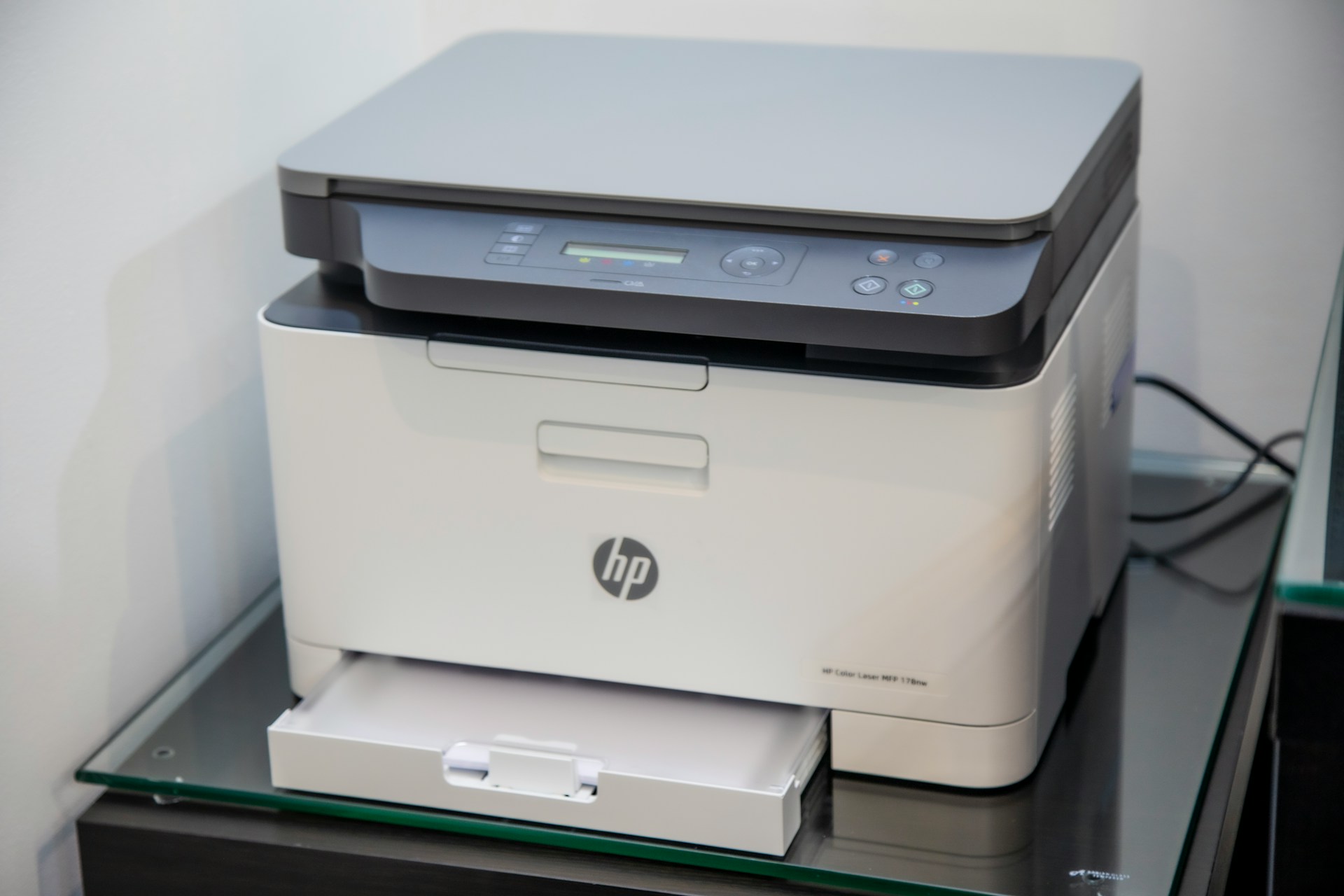

Users are often faced with the choice of the optimal printhead Selection when it comes to a device. It requires people to choose between OEM and compatible. Users ought to understand these differences to be able to make informed decisions, as the regulator’s policy justifies at its best. In this post, we hope to simplify the pros and cons of each option, so that the reader can know which better suits their needs.
What Are OEM Printheads?
Third-party manufacturers produce compatible printheads. These choices are designed for various printers, and these are not original manufacturers. The reason is that many consumers can buy compatible products because their price is lower. Whether you’re exploring OEM or third-party options, it’s now easier than ever to browse and buy printheads online from trusted suppliers. These alternatives are readily accessible and are designed to give you comparable levels of performance. However, the quality may differ from producer to producer at times.
What Are Compatible Printheads?
Third-party manufacturers produce compatible printheads. These choices are designed for various printers, and these are not original manufacturers. The reason is that many consumers can buy compatible products because their price is lower. These alternatives are readily accessible and are designed to give you comparable levels of performance. However, the quality may differ from producer to producer at times.
Performance and Reliability
OEM printheads do have a good standing and history of providing the same results every time. They are built to high standards, which means fewer technical problems. Print output will be reliable, and maintenance will be less of a headache for users. Somewhat compatible picks can perform well, too, but the results are less consistent. For some models, the performance is nearly as good or better than the OEM versions, while others may fall short of expectations. Users can check the brands and some reviews to avoid unreliable options while using it.
Cost Considerations
The final decision is often swayed by budget. Generally, OEM printheads are costlier as they are branded and produced under stringent quality controls. This additional cost may be worth it for customers seeking results that are guaranteed. Refurbished printheads offer a lower-cost option. These alternatives can be a lifesaver in terms of cost, which can add up quickly when you have to print in bulk. Nevertheless, if the quality standards are not met, you can have an adverse experience when you choose the low-end alternatives.
Warranty and Support
An OEM printhead is often the safest option if you care about keeping your warranty intact. Most manufacturers will only cover the warranty if you use their parts. Assistance is usually easy to access if there are problems that need to be resolved. Compatible printheads may influence this protection. In some cases, using aftermarket parts will also void the OEM warranty. Users must check their printer’s policy to avoid unpleasant surprises before the purchase.
Availability and Convenience
OEM printheads may be less available. Some models may be unavailable or only available to order from specific suppliers. You can generally create easier-to-find compatible types. These alternatives are available for most brands of printers and can be found at many online stores and local retailers. Compatible printheads are great for emergency replacements thanks to their easy availability.
Environmental Impact
The impact of environmental awareness on buying. Almost all buying decisions are affected by environmental awareness. OEM printheads use high-quality materials and a very stringent recycling policy. A few manufacturers give collection programs for used parts. Compatible printheads can also care for the environment, aside from third-party companies that use ethical and recyclable materials to produce some goods. Buyers can look for certifications that indicate environmentally friendly products.
Print Quality and Longevity
Print quality is important, whether you are printing everyday materials or professional documents. OEM printheads generally produce excellent, crisp, and clear results. They aim to produce a uniform printout for an extended period. Results may vary by manufacturer, but compatible options can perform quite well. There can also be a minor difference in colors or sharpness when it comes to printouts.
Making the Right Choice
Through this, one can understand that the choice between OEM and Compatible Printheads will differ from individual to individual based on the factors that matter more to them. OEM is a good pick for those needing steady quality and support. Budget-conscious shoppers will opt for compatible items. Factors including price, warranty, availability, and their environmental impact should be considered before making a purchase.
Conclusion
Choosing between OEM and compatible printheads involves multiple factors. Each option presents distinct advantages and drawbacks. Evaluating personal needs will guide users towards the most suitable purchase, ensuring reliable and satisfying printing experiences.

