
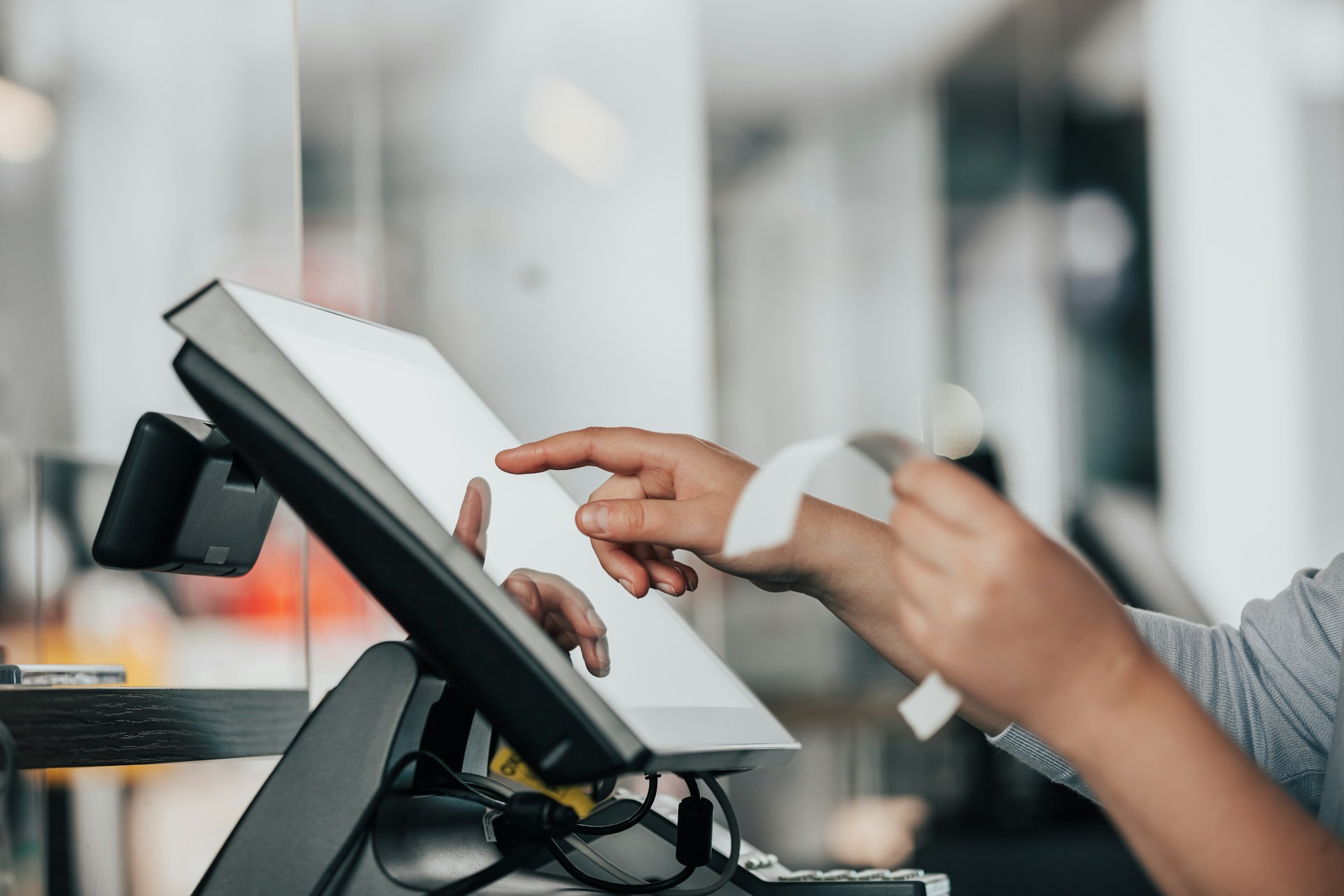

There was a time when EPOS meant a glorified till—cash in, receipt out, and not much else. That version of the point-of-sale still lingers in memory, dusty and stubborn, in corner shops or old cafés where receipts curl from heat and a drawer slams shut with mechanical finality. But those sounds are being replaced—quietly, efficiently—by the soft tap of a tablet screen and the hum of synchronised systems doing their work invisibly.
Today, EPOS isn’t a machine. It’s a network. A digital spine stretching across retail floors, mobile devices, warehouses, and cloud servers. It’s what happens when hardware meets software in service of smarter, faster, leaner business.
The shift to the cloud has been one of the most transformative moves in this evolution. A decade ago, retail systems were anchored to in-store servers, dependent on IT technicians and USB backups. Now, with cloud-based EPOS, a store owner can be sitting on a train, watching live sales data from three locations while scheduling staff for a bank holiday weekend. Everything is accessible, updated in real-time, and most importantly, not tied to the four walls of a shop.
This mobility isn’t just for the back office. The fixed counter is no longer sacred. Mobile Point of Sale—mPOS—is changing how staff interact with customers entirely. A clothing assistant with a tablet can check stock, process a return, and complete a sale without ever pointing the customer to a queue. In restaurants, servers take orders tableside and fire them straight to the kitchen. There’s less walking, fewer mistakes, and more time for actual hospitality. The transaction becomes secondary to the interaction.
I noticed this recently in a small independent bookstore in Bristol. The assistant met me between aisles, scanned the barcode of a hardback in my hand, and completed the purchase from a device clipped to their belt. “No rush,” they said, “but you can pay here if you’d like.” There was something casual and deeply efficient about it. The moment stuck with me.
Then there’s the data—the real reason modern EPOS matters so much. The systems aren’t just recording transactions; they’re learning. Artificial Intelligence is starting to shape how retail decisions get made. Sales patterns are cross-referenced with weather data, footfall sensors, and even local event calendars. A spike in umbrellas sold during an unexpected storm isn’t just a coincidence—it’s a trigger. Stock can be reordered, pricing adjusted, staffing levels shifted. The EPOS doesn’t just report; it anticipates.
Inventory, too, has become less of a mystery. Retailers know what’s selling, what’s stagnating, and what’s about to run out before the customer notices. That level of foresight used to be reserved for enterprise-level businesses. Now, it’s available to the high street deli and the family-run gift shop.
Perhaps the most overlooked shift is how EPOS systems are finally bridging the gap between online and in-store. Customers who buy online and collect in-store expect stock levels to match. They want to return in person without drama. The future-ready EPOS makes this seamless. One loyalty system, one customer record, one source of truth—no matter how or where the sale happens.
That’s no small feat. Many retailers still wrestle with outdated systems that treat each channel like a separate business. But the customer doesn’t think that way. To them, your store is your store—digital or physical—and EPOS is increasingly the glue that holds that reality together.
The future of EPOS solutions isn’t loud or flashy. It won’t announce itself with headlines or revolutions. It’s a series of smart, quiet integrations. Devices that talk to each other. Software that thinks ahead. Interfaces that don’t get in the way.
And behind it all, a retailer who spends less time reconciling receipts and more time building something lasting.

