
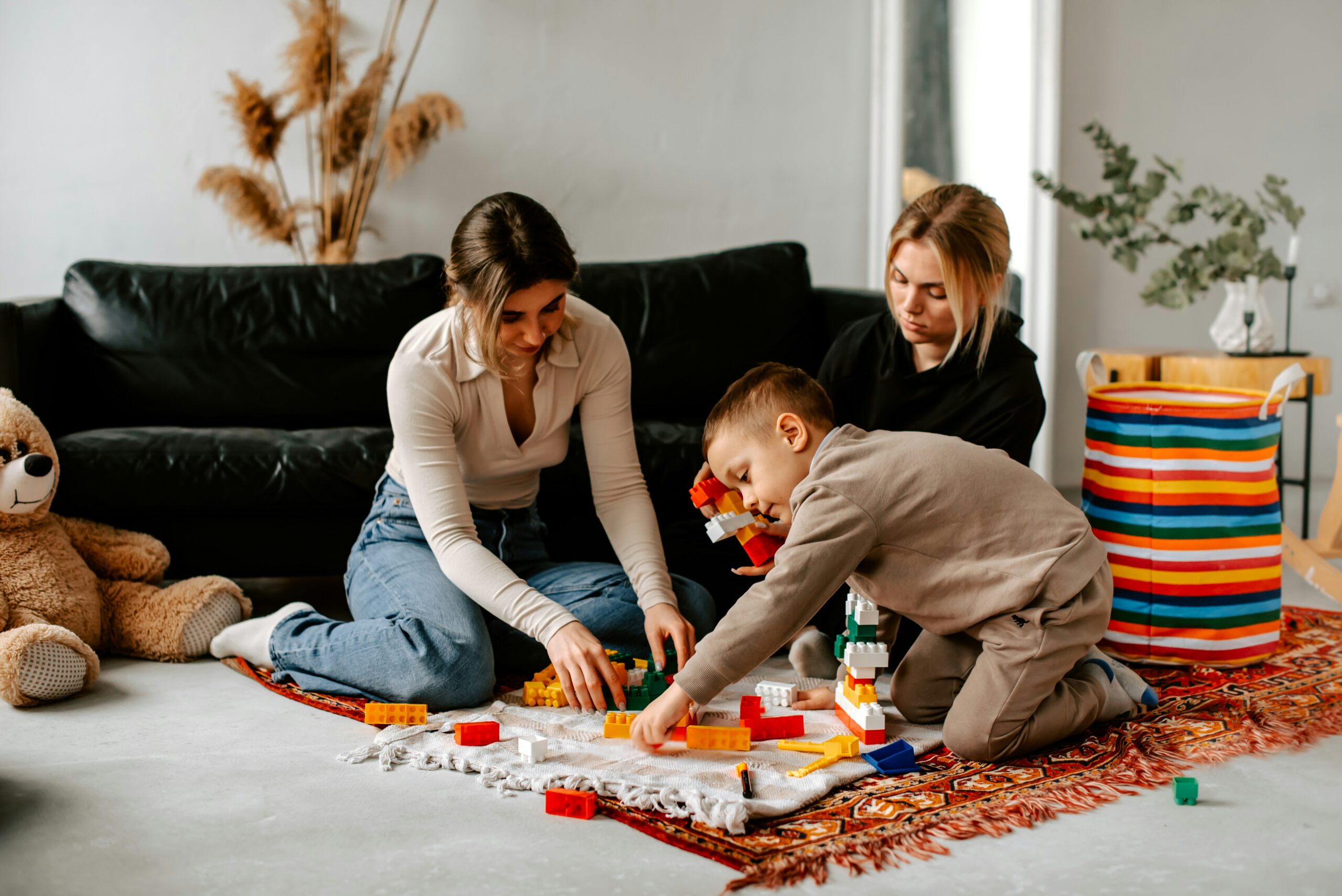

Modern family homes benefit from thoughtful design that enhances functionality, comfort and long-term adaptability. Creating practical environments needs consideration of how families actually live, work and play together whilst anticipating future needs. Well-designed homes balance aesthetic appeal with everyday usability, making sure that spaces remain relevant as children grow and family dynamics shift over time.
1. Prioritising Flexible, Multi-Use Spaces
Designing rooms that can evolve helps families adapt as needs change, with playrooms potentially converting into guest spaces or home offices. Sliding partitions allow areas to transform based on immediate requirements without permanent structural alterations. Modular furnishings provide versatility, allowing homeowners to reconfigure layouts as circumstances demand. Open-plan arrangements support multiple activities simultaneously whilst maintaining visual flow between zones. A living area might incorporate a designated workspace during the day before transitioning into a relaxation zone each evening. Room dividers and dual-purpose furniture maximise square footage in properties where space constraints require creative solutions. These flexible approaches guarantee that homes grow alongside their occupants instead of becoming obsolete.
2. Enhancing Natural Light and Flow
Maximising daylight through larger windows, skylights and open circulation patterns improves wellbeing whilst reducing reliance on artificial lighting throughout the day.Natural light remains a key element in modern design, with frameless glazing offering minimalist aesthetics that flood interiors with brightness. Thoughtful placement of mirrors amplifies available light, bouncing rays deeper into rooms that might otherwise feel dim. Strategic positioning of glass doors connects interior spaces with gardens and outdoor areas, blurring boundaries between inside and outside. Well-considered circulation routes prevent bottlenecks in busy households, allowing family members to move through spaces without constant congestion. Clever architectural features such as internal windows or glass partitions maintain privacy whilst permitting light transfer between adjoining rooms, particularly benefiting hallways and internal bathrooms.
3. Using Durable, Practical Materials
Family homes benefit from strong surfaces such as engineered wood, stone composites and washable paints that balance aesthetics with longevity. These materials withstand high-traffic areas and daily wear without showing immediate signs of degradation, protecting long-term investment value. Engineered wood flooring handles moisture and impact better than traditional timber whilst maintaining natural warmth and character. Stone composite worktops resist scratches, stains and heat damage in busy kitchens where children prepare snacks and families gather frequently. Washable paints allow quick maintenance when fingerprints and scuffs accumulate on walls throughout hallways and staircases. When planning exterior elements, consider how features such as cladding, landscaping and garage doors complement the property’s overall architectural style whilst requiring minimal upkeep. Cohesive material choices create visual harmony between indoor and outdoor spaces.
4. Integrating Smart Storage Solutions
Built-in cabinetry, under-stair storage and well-planned wardrobes help maintain clutter-free environments that support calmer household routines. Smart storage prevents belongings from accumulating on surfaces and floors, creating trip hazards particularly dangerous for young children. Custom cabinetry maximises awkward spaces that standard furniture cannot utilise effectively, squeezing functionality from every available corner. Under-stair areas offer significant storage potential often overlooked in standard designs, accommodating everything from shoes to seasonal decorations. Dedicated storage for specific items, like sports equipment, school bags, and cleaning supplies, streamlines daily tasks by establishing clear homes for frequently used objects. Thoughtful wardrobe design with adjustable shelving grows alongside children’s changing needs, adapting from toy storage to teenage clothing requirements.
Successful family home design combines practicality with personality, creating spaces that function beautifully whilst reflecting the unique character of their occupants.

