
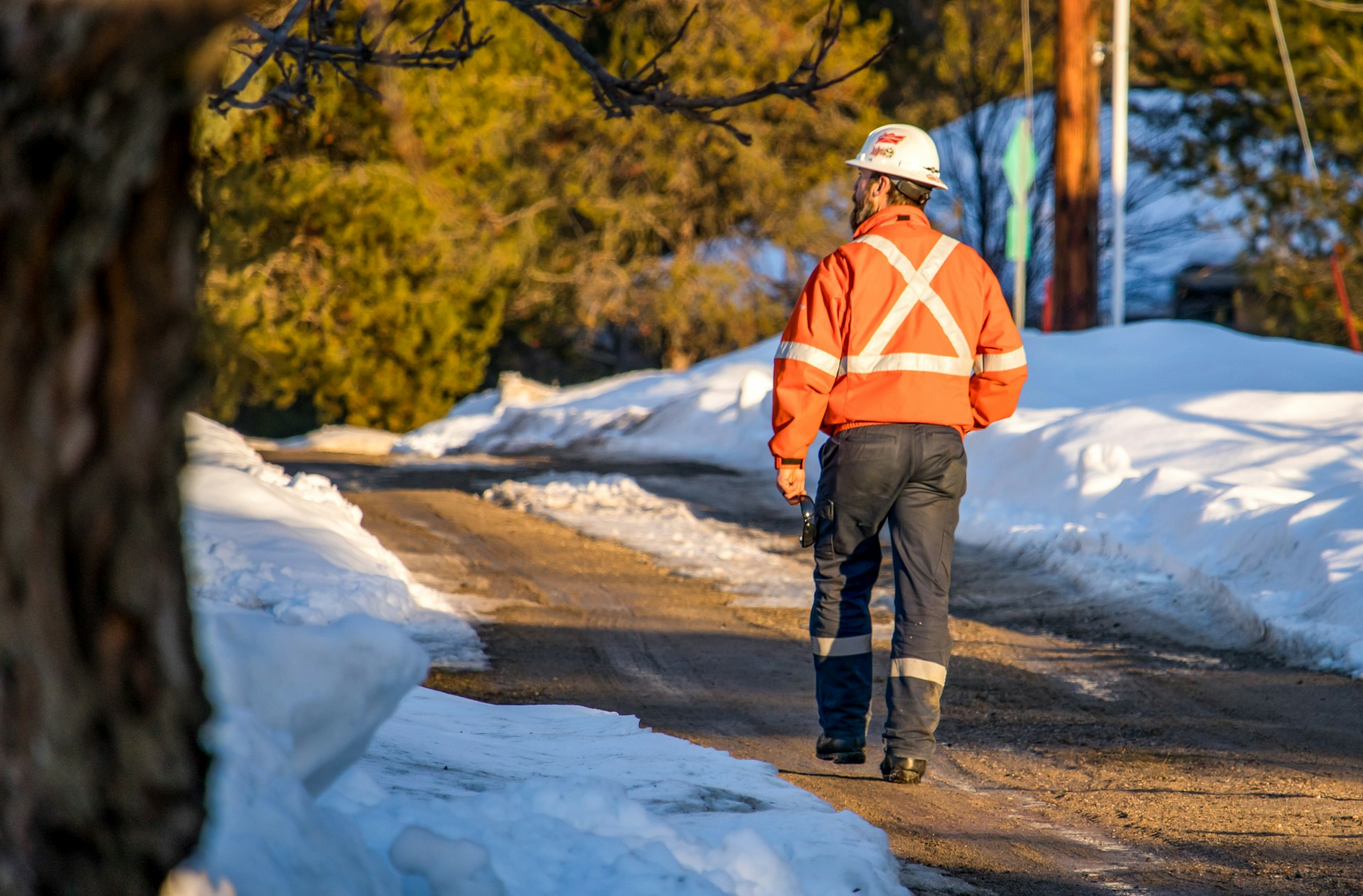

Working outdoors in a British winter can be tricky. Early morning frost, sudden cold snaps and fast-changing weather warnings can create challenging and dangerous working conditions. If you work in construction, utilities, transport or landscaping, you might underestimate the risks of cold weather until they start affecting health, safety or productivity. But with the right preparation and protection, you can reduce or even avoid common winter hazards.
How Cold Weather Creates More Risks for Outdoor Workers
Cold temperatures affect people and equipment in ways that can increase workplace hazards. For example, if you’re exposed to low temperatures for an extended period of time, it can lead to cold stress, which includes things like chilblains and hypothermia, fatigue and reduced concentration. All these, in turn, make accidents much more likely to happen. Workers may also experience hand numbness and find it hard to handle tools correctly or in a safe manner.
Winter weather can also affect visibility. Workers can find it difficult to see hazards with shorter daylight hours and in foggy or snowy conditions, which ultimately increases health and safety risks. Also, it’s important to remember that machinery and vehicles may not run as reliably or efficiently in freezing temperatures, and breakdowns may become a common occurrence.
Provide Protective Clothing and PPE
The right clothing is one of the most effective ways to stay safe in cold conditions. It’s often best to take a layered approach as it allows workers to remove (or add) layers depending on conditions. This, in turn, can help them regulate their body temperature and stay protected from wind and moisture. Moisture-wicking base layers keep sweat off the skin, and an insulated mid-layer can help to trap warmth. Finally, outer layers should be waterproof in order to stay dry against rain, sleet and snow.
Thermal gloves, insulated boots and weather-resistant hats also play a big role in keeping hands and feet warm. If conditions are particularly harsh, workers could benefit from specialised equipment such as heated workwear to maintain body heat and stay comfortable throughout the day. This is especially helpful for those who have to work long periods outdoors.
Employers’ Legal Duties for Managing Winter Workplace Safety
Employers have a legal duty under health and safety law to protect staff who work outdoors during cold weather, and compliance is increasingly scrutinised. Responsibilities include carrying out weather-specific risk assessments and providing personal protective equipment (PPE). Failures to do so could result in fines or legal actions, as well as a damaged reputation.
Employers should also provide access to warm rest areas so workers can take frequent breaks and recover from the cold. Adding a simple tea and coffee set-up can help staff warm up during those extra chilly days. An eye should also be kept on the weather forecast, as if extreme weather is forecasted, it may be necessary to adjust working schedules.
Preventing Slips, Trips and Other Winter Hazards
Slips and trips are some of the most common winter workplace accidents. In winter, ice, snow and wet surfaces can quickly turn worksites into hazardous environments. Make sure to grit walkways and access points regularly, in addition to clearing snow and ice from entrances, paths and loading areas. Providing anti-slip footwear offers extra protection. Adequate lighting is also critical, particularly in darker winter mornings and evenings.
Prepare Your Worksite for Safer Winter Conditions
Working outdoors during the British winter is always challenging, but the right preparation can make a big difference. With proper clothing, thoughtful planning and strong safety practices, outdoor workers can stay protected even during the coldest months.

