
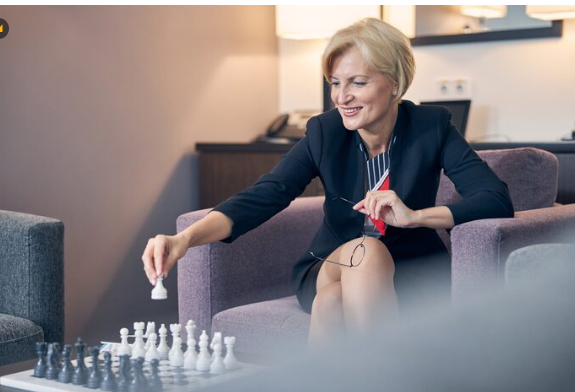

A fifteen-year-old girl from Budapest became the youngest chess grandmaster in history in 1991, shattering Bobby Fischer’s record that had stood since 1958 in the calm bureaucratic jargon of FIDE rating lists. The world of chess took note. Then she continued, competing in open tournaments against the world’s best players instead of women’s competitions, which she steadfastly rejected throughout her career. This choice was both a statement and a tactic.
She defeated three of the most decorated world champions in the modern period of the game: Garry Kasparov, Anatoly Karpov, and Viswanathan Anand in classical play over the course of the following twenty years. In January 2004, she peaked at number eight in the world overall and reached a top rating of 2735, making history as the only woman to surpass the 2700 mark. She had been the world’s top-ranked female player since January 1989 and remained so when she retired in 2014.
| Category | Details |
|---|---|
| Full Name | Judit Polgár |
| Date of Birth | July 23, 1976 |
| Birthplace | Budapest, Hungary |
| Nationality | Hungarian |
| Title | Chess Grandmaster (1991, age 15) |
| Estimated Net Worth | ~$5 Million |
| Peak FIDE Rating | 2735 (July 2005) |
| Peak World Ranking | No. 8 Overall (January 2004) |
| Competitive Years | 1988–2014 |
| World Champions Defeated | Kasparov, Karpov, Anand (classical play) |
| Post-Retirement Work | Judit Polgár Chess Foundation, commentary, education |
| Upcoming Project | Netflix biographical film |
| Spouse | Gusztáv Font (married 2000) |
| Reference Website | juditpolgar.com |
Judit Polgár’s estimated net worth is $5 million, which reflects a career built in a sport where prize money has historically been modest by the standards of other competitive pursuits and where the most significant earnings typically come from speaking engagements, endorsements, and the commercial relationships that sustained relevance at the top level enables over time.
Polgár’s profile as a truly unique figure in sporting history, well-known outside of the chess community in ways that few players attain, gave her commercial leverage that pure tournament earnings alone would not have produced. However, chess does not produce the contract structures of professional football or the endorsement volumes of tennis. The projected $5 million is a career total rather than a single contract, amassed during decades of competition, media attention, and ongoing post-retirement activity that enhances her reputation both financially and professionally.
Her father, László, conducted an experiment that has been discussed, contested, and sometimes misrepresented for decades: he and his wife, Klara, homeschooled their three daughters, Susan, Sofia, and Judit, with chess as the main subject. They did this because they believed that exceptional ability could be produced by intensive early training in any complex domain and that genius is made rather than born. Each of the three daughters went on to become a grandmaster.
Susan won the Women’s World Championship. Sofia attained the rank of International Master. At the women’s level, Judit outperformed both of them and then practically everyone in the history of chess. Chess historians and educational researchers have been debating whether the experiment supports the idea or merely shows what happens when exceptionally gifted youngsters receive exceptional early instruction.
Beyond tournament records, Polgár’s financial picture is enhanced by the Netflix biographical film about her life and career. Produced by a global platform, this profile film tells the story of a woman who overcame structural barriers in a male-dominated intellectual arena. It also generates licensing revenue, renewed public interest in the work of her foundation, and the kind of visibility that brings speaking engagements from organizations outside of chess, such as corporations, universities, and policy forums interested in the broader lessons her career offers about gender, competition, and the nature of achievement. In the years leading up to its premiere, the Netflix project might earn more revenue than any one season of professional play.
After she stopped playing competitively, she founded the Judit Polgár Chess Foundation, which expands her influence in chess instruction in ways that are long-lasting rather than reliant on her ongoing involvement. The foundation is an example of the kind of long-term institutional commitment that athletes who carefully consider their legacy tend to develop after their competitive careers conclude. It works with schools and training programs, especially in Hungary but with an international reach. Additionally, it provides her with a professional platform that brings in money through collaborations, grants, and the educational initiatives that wear her name.
It’s difficult to ignore the fact that Polgár’s career was shaped by her refusal to fit into the categories that would have made her stand out in a limited competition and her insistence on being judged alongside the top players, regardless of gender. This led to both the historical record she currently holds and the unique kind of cultural significance that transcends individual games.
She did not simply prevail. In the situation where the outcome was most important, she triumphed against the opponents you were expected to lose to. Her name frequently comes up in debates about obstacles, potential, and what happens when you just refuse to accept the boundaries that were drawn before you came because of this decision, which she made continuously over the course of 25 years of competitive play.

