

In today’s modern tech-filled world, every spare moment is filled with notifications, feeds and continual “digital intrusion” so the concept of a “digital detox” is not just a wellness trend but a cultural necessity. People are not simply tired; they are over stimulated. They crave something tactile, something that is slow-paced. Unexpectedly one of the most effective antidotes to this digital fatigue is something of a blast from the past: Trading Card Games (TCGs).
Trading card games, whether it’s Magic: The Gathering, Pokémon, YuGiOh!, Lorcana, or the growing number of indie titles, are experiencing a comeback. This resurgence however is not just about nostalgia or even collectability, it’s about reconnection. Trading card games are becoming a powerful tool when it comes to digital detoxing. They offer a structured, social and highly analogue escape against the relentless pace of online life.
The return of the tangible
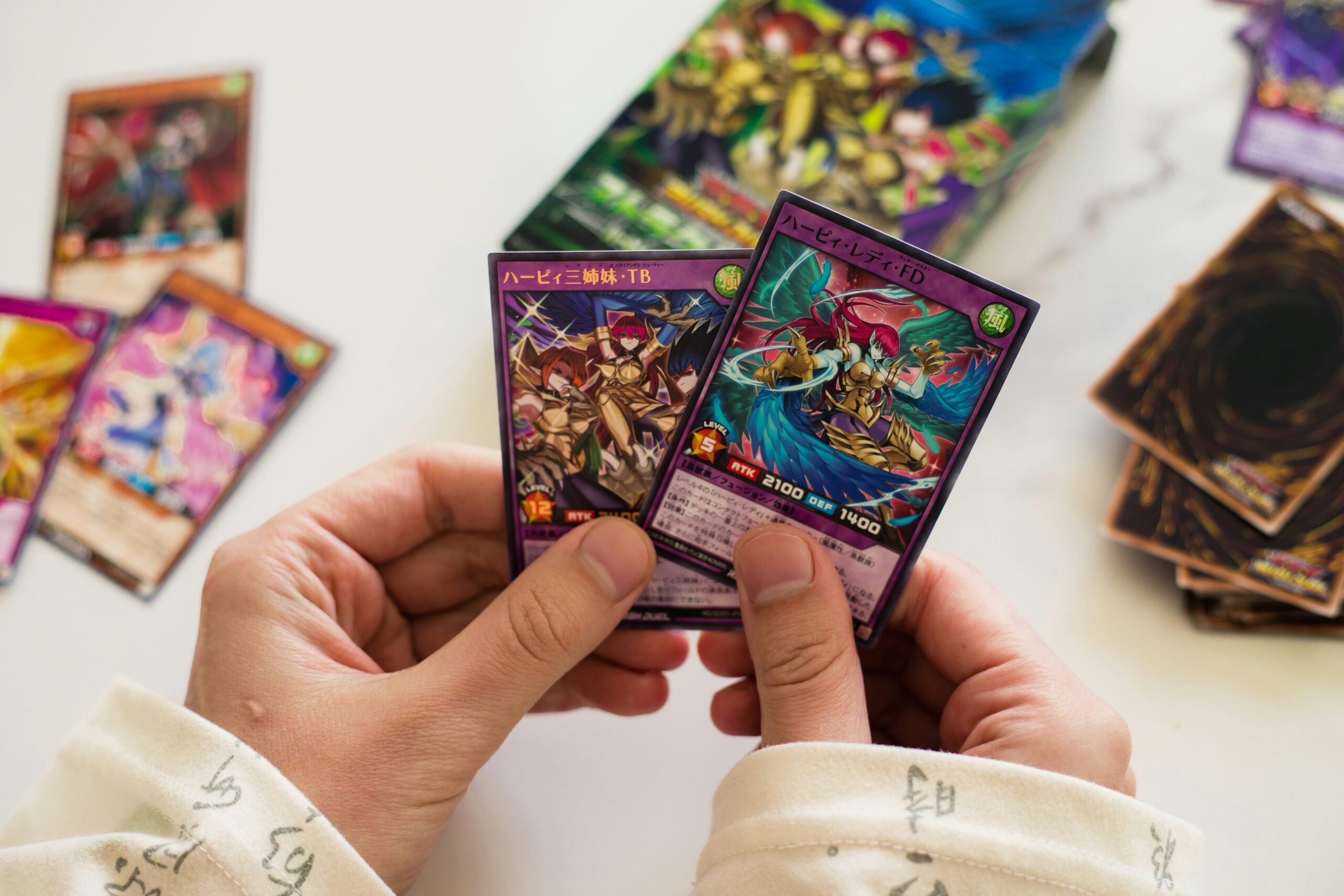
One of the biggest shifts that can be seen over the last decade is the erosion of physicality. Books, music, photos, conversations, even friendships, everything has moved to screens. Trading card games help push back against this flow, they offer something that can be held, shuffled, organised, and protected. The physical weight of a deck in your hand and the sound of cards against the table are small sensory experiences that can help to ground you in the physical world.
This is a tactile engagement that is about more than simple aesthetics, it’s neurological. Physical interaction can help to slow the mind. It anchors attention and reduces the type of cognitive fragmentation that is caused by constant digital switching. When you have a handful of cards, you are not scrolling. When you are reading the text on a card, you are not flicking (often aimlessly) between apps. By their very analogue nature they force players to be present in the moment.
A social experience not mediated by screens
Digital communication might be efficient, but it is also exhausting. Video calls, group chats, and online communities help create connection, but it is rare that they create a sense of belonging. TCGs bring people together in a way that feels organic and… well, human. Sitting opposite someone, reading facial expressions, negotiating plays, laughing together, these interactions help build the kind of social energy that digital platforms cannot replicate.
Local game stores have become a modern third space. They offer places where people can gather with other like-minded people. Some host weekly meetups, game nights, and even casual play sessions which provide the type of real-world interactions that many adults quietly miss. Younger generations can find an alternative to an over reliance on technology. For those looking for a digital detox, a face-to-face community like this is transformative; connection without WiFi. It really does exist!
Structured play in an unstructured world
Digital life can be draining because it is always on. Trading Card Games are different becasue they offer a structure – they have a beginning, a middle, and end. There are limits in a deck and there are rules regarding turns.
This structure offers psychological containment. It provides clear boundaries for your brain: this is play, and when it’s done, it’s done. A sense of completion like this is rare in digital environments. This is also why TCGs are so effective when it comes to digital detoxing, they provide a form of engagement that does not encroach into every corner of your life.
The joy of slow thinking
Whilst digital platforms may reward things like fast opinions and reactions, TCGs reward slow considered thinking, strategy, planning, probability, creativity, and patience as part of the experience. Instead of reacting to a feed, you are building a plan. Instead of chasing hits of dopamine you are constructing a narrative of play.
This shift from a reactive to more reflective mindset is restorative. It offers the mind a space to breathe and can also reawaken cognitive muscles such as memory, focus and deep attention. Trading card game sessions are described by many players as meditative, this doesn’t mean that they are quiet but that they are immersed in the game in a way that screens rarely achieve.
Collecting as mindful practice
Collecting cards can be seen as a hobby, but for many people, it is also a form of mindfulness. Sorting, cataloguing, building binders, and curating decks can all create a sense of order. These activities help slow the mind, offering a break from the chaos of digital noise.
Physical collections also offer psychological comfort. Unlike digital assets, which might disappear behind a login screen or vanish when a platform updates, cards are tangible. They exist without servers and subscriptions. In a world where so much feels short-lived, that permanence is grounding.
A creative outlet without a device
There is no denying that digital creativity is powerful, but it’s also tied to screens. TCGs provide a different kind of creative expression, one that is rooted in imagination, storytelling, and personal style. Deckbuilding is really a form of design thinking: offering the ability to craft a system, balance constraints, and express a playstyle that reflects individual personality.
This device-free, analogue creativity is very satisfying. For many players, building a deck is just as enjoyable as playing a game.
A healthy escape
Thinking of “detoxing,” conjures up images of solitude, retreats, silence, time away. TCGs however offer a different model: an escape that is social, energising, and above all communal. It is a step away from digital life, but a step towards people, rather than away from them.
This is why TCGs are so effective for mental wellbeing. They offer a break from screens without creating a break from community. They provide rest without isolation. They remind us that not everything needs to be optimised, automated, or digitised, that it is possible to turn off the call of digital media. More importantly it teaches us that some things are valuable precisely because they’re slow, imperfect, and human.

