
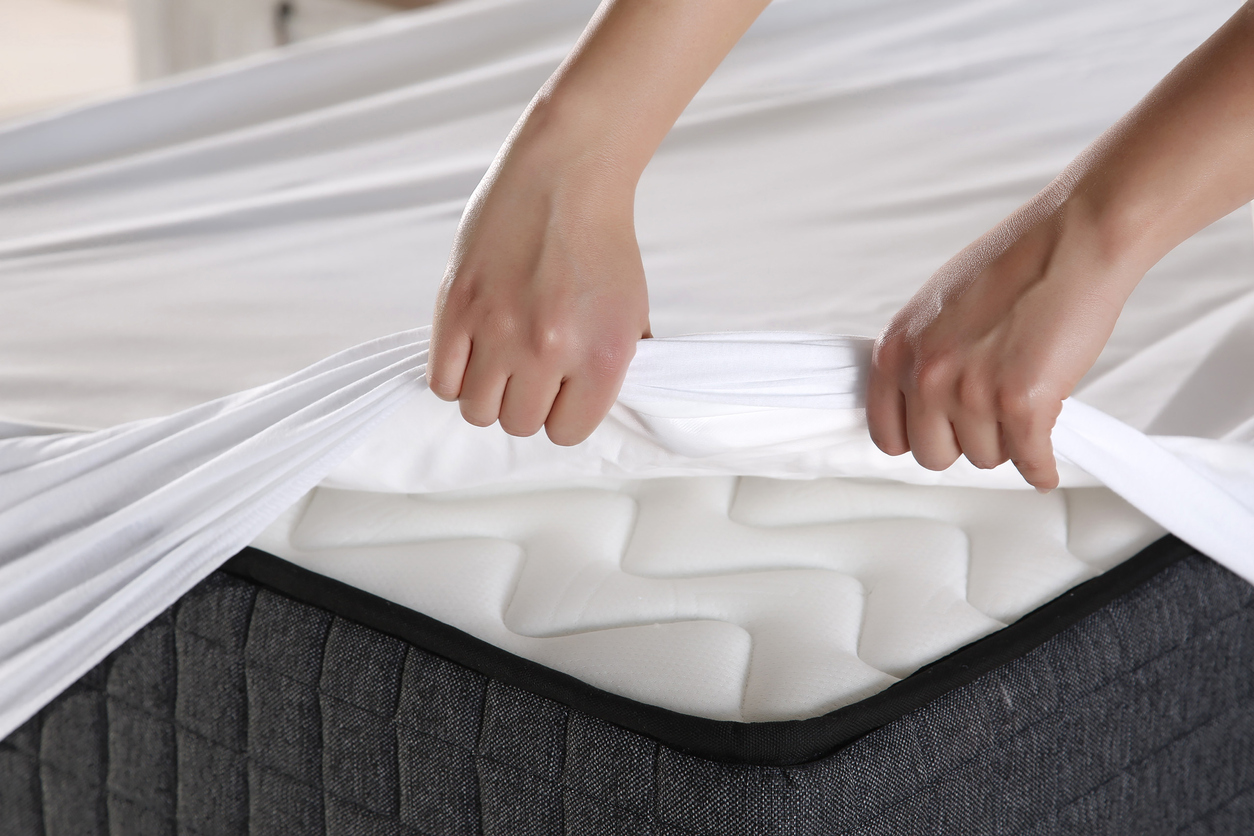

You’ll spend about a third of your life on of your mattress, making it important that it provides the comfort and support you need for a healthy night’s sleep.
Over time, it’s common for your mattress to show signs of wear, from sagging to a reduced level of comfort. When these problems start to mount, it’s often a reliable sign that it’s time to replace your ageing mattress with a new one.
Below, we’ve covered how long you should keep your mattress before replacing it with a newer one, as well as the key signs that can indicate it’s time to consider switching to a new mattress.
It’s eight years old, or older
Mattresses tend to start showing major signs of wear after seven to 10 years, with the average lifespan for a store-bought mattress around eight years.
If you use a cheap mattress, you might need to deduct one or two years from this average, as lower quality, cost-saving parts can cause your mattress to wear out earlier.
While age doesn’t always mean that your mattress need to be replaced with a newer one, it’s a fairly reliable signal. If your mattress is older than eight years, and especially if you’ve had it for 10 years or longer, it’s generally a good time to start considering replacing it.
It’s no longer comfortable
Mattresses come in a variety of designs and configurations, meaning that your mattress won’t necessarily age in the same way as others.
However, it’s common for most types of mattresses to become less comfortable over time. This is caused by wear and tear to the upper, comfort layers of the mattress, which provide most of the softness and comfort that you feel when you lie down before you go to sleep.
If your mattress is no longer comfortable, there’s a good chance that these comfort layers are worn out. In this case, your best bet is to replace the mattress, as a newer model is more likely to provide the comfort and support you need for a good night’s sleep.
It no longer looks or feels clean
While the common myth that your mattress will double in weight every decade due to dust mites isn’t true, it is possible for dust and other debris to build up on the surface of your mattress and other bedding over time.
While you can clean your mattress using deodorants and stain removers, it’s often easier to call it quits on an older mattress. If you no longer feel comfortable sleeping on your mattress due to stains, dust or odors, replacing it is often the best solution.
It’s sagging and no longer feels supportive
Over time, it’s normal for many mattresses to start to sag slightly. This is particularly common in foam mattresses, which can adjust to the contours of your body over time and lose some of their ability to provide support and comfort.
While a small amount of sagging usually isn’t a big deal, a very saggy mattress can affect your sleep quality. If your mattress has a sagging spot or no longer supports your weight properly, it’s generally a good signal that it’s time to consider a replacement. Mattresses in these conditions can lead to long-term aches and pains. Search for a mattress that is best for back and neck pain to help your body recover.
It’s no longer right for your body
Whether you’ve lost weight, gained weight or grown taller than before, it’s important that your mattress matches the needs of your body.
When your body weight, composition and size changes, it can affect the level of support your mattress provides. If you no longer feel that your mattress is a good fit for your body, it’s worth considering an upgrade to something that provides a better match for your body type.

