

Imagine you are building the ultimate superhero industrial robot. It has laser eyes, super-strength arms, and can sprint faster than a Ferrari. You’ve programmed its “brain” with the most advanced AI on the planet. But there is one tiny problem: every time your robot punches or runs, its “veins”—the wires carrying power and data—get tangled, pinched, or snapped off. Suddenly, your million-dollar AI masterpiece is just a heavy pile of metal junk.
This is where the cable chain for robots saves the day! While they might look like simple plastic tracks, cable chains are the unsung heroes of the tech world. They are the high-tech “spine” that allows robots to move with grace, speed, and intelligence without breaking their own nervous systems. From the dusty assembly lines of the 1950s to the surgical robots of tomorrow, cable chains are the reason the robotic revolution is actually possible.
1. The Ultimate Bodyguard For Wires
Robots are athletes. They spend 24 hours a day bending, reaching, and spinning. Inside those robots are hundreds of delicate copper wires and fiber-optic cables. If you bent a paperclip back and forth a hundred times, it would eventually snap, right? The same thing happens to wires.
Cable chains act as a protective exoskeleton. They guide the wires through a specific “bend radius,” which is just a fancy way of saying they make sure the wires never bend too sharply. By keeping the wires tucked safely inside a flexible bridge, the chain absorbs all the rubbing and pulling, so the wires don’t have to.
2. Managing The “Spaghetti” Problem
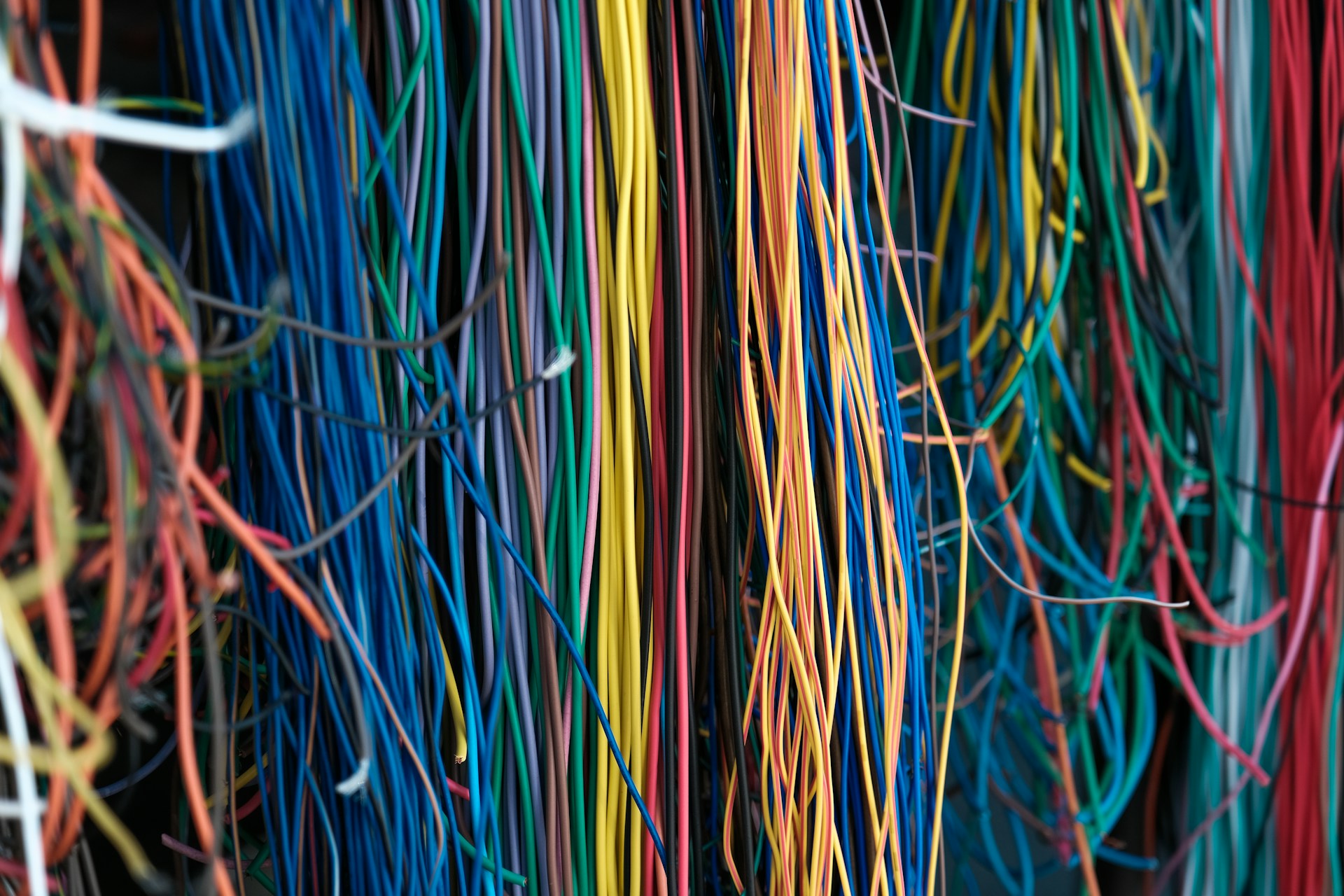
Modern AI robots are complicated. They don’t just have one power cord; they have sensors for “sight,” cables for “touch,” and hoses for cooling fluid or compressed air. Without a cable chain, this would look like a giant bowl of electronic spaghetti.
3. High-Speed Precision For AI
When an AI tells a robot to move at lightning speed to catch a falling object or weld a car door, the movement has to be perfect. If a wire flops around, it creates “inertia”—it’s like trying to run while carrying a heavy, swinging backpack. It throws off the robot’s balance!
Cable chains are engineered to be lightweight and smooth. Because the chain moves the same way every single time, the robot’s “brain” doesn’t have to worry about a stray cable getting in the way of its sensors.
4. Surviving Extreme Environments
Robots go where humans can’t. Some work in freezing cold lockers, others in scorching foundries, and some even work underwater or in space! Wires are sensitive to heat, chemicals, and dirt.
Modern cable chains are made of space-age materials like high-performance polymers that can withstand acid, sparks, and extreme temperatures.
Fueling The Future!
We are living in the age of Robot Evolution! We are moving away from clunky machines that stay in one spot and moving toward humanoid bots that walk, climb, and think. But here is the truth: AI is only as good as the body it lives in. You can have the smartest brain in the universe, but if your wires snap the first time you take a step, you aren’t going anywhere.

