

Structural steel fabrication plays a critical role in modern construction, engineering and manufacturing. From large commercial buildings and bridges to industrial frameworks and machinery components, structural steel is used extensively across many sectors. As demand for greater precision, efficiency and automation continues to grow, fabrication companies are increasingly adopting advanced technologies to improve production capabilities. One of the most significant developments in recent years has been the widespread adoption of tube laser cutting technology.
Tube laser cutting machines allow fabricators to process pipes, hollow sections, and structural tubes with the speed and precision that traditional cutting methods struggle to achieve. By combining laser technology with automated material handling and advanced control systems, modern fabrication workshops can now produce complex tube components far more efficiently than before.
The Challenges of Traditional Tube Processing
Historically, processing structural tubes and pipes has been labour-intensive. Fabricators have often relied on a combination of manual measuring, mechanical saws, drilling machines and secondary machining processes to prepare tubes for welding and assembly.
These traditional methods can be time-consuming and prone to inconsistencies. Multiple operations are typically required to create slots, holes, mitres or notches, and each step introduces potential for error or variation in accuracy. In large structural fabrication projects, this can significantly slow down production while increasing labour costs.
Additionally, many structural steel projects require complex tube joints or connections that are difficult to produce using conventional cutting equipment. As structures become more advanced and architectural designs more intricate, fabrication companies have needed more precise and flexible cutting solutions.
How Tube Laser Cutting Technology Works
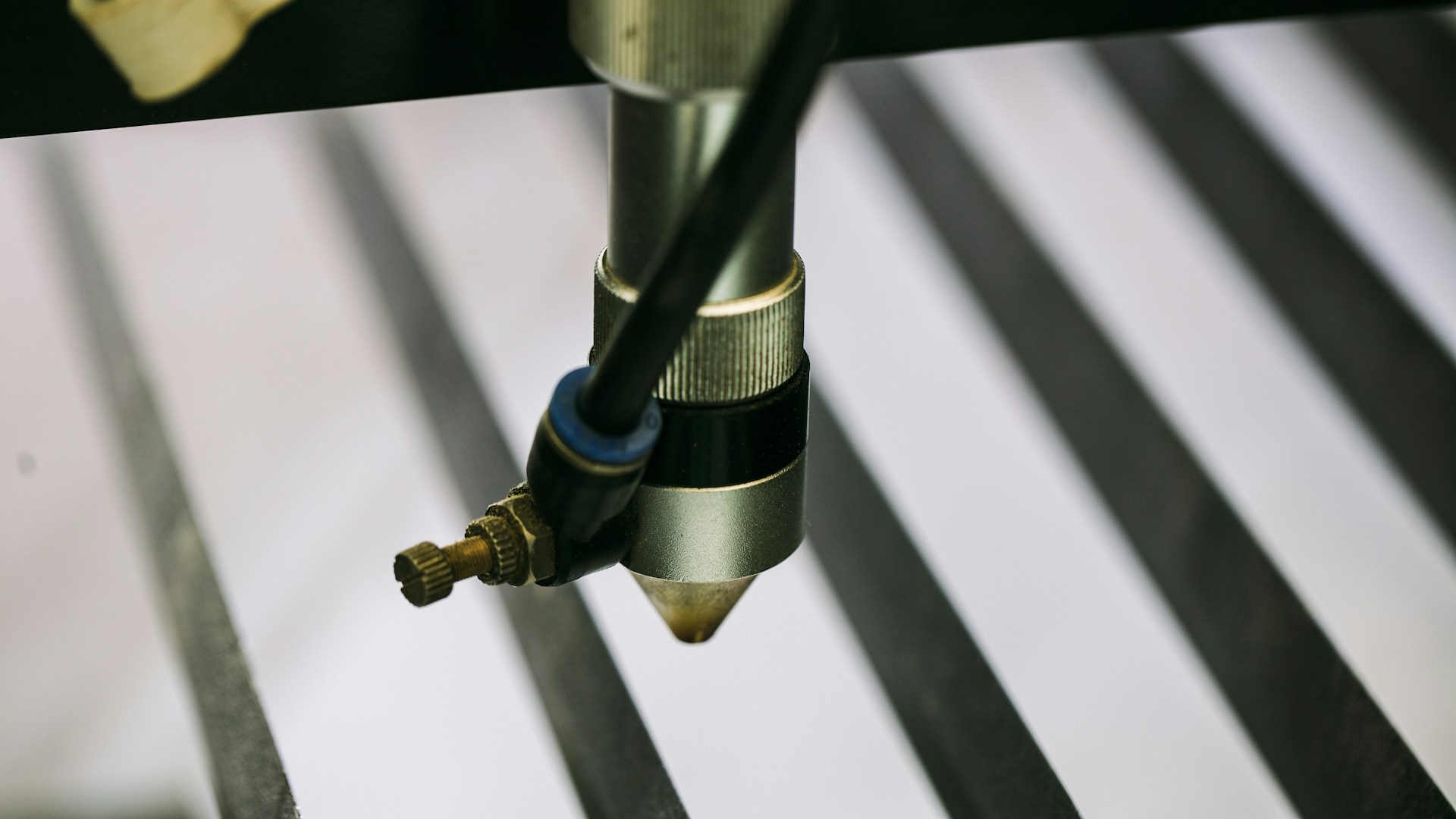
Tube laser cutting machines use high-powered laser beams to cut through metal tubes and structural sections with extreme precision. Unlike flatbed laser cutting machines that process sheet metal, tube laser systems are specifically designed to hold and rotate cylindrical or hollow materials while the laser head performs the cutting operation.
The tube is clamped in place using automated chuck systems, allowing the material to rotate while the laser cuts around the circumference of the tube. This enables complex geometries, slots and connection features to be produced in a single automated process.
Modern tube laser cutting machines can process a wide range of materials and profiles, including round tubes, square sections, rectangular hollow sections and other structural profiles used in fabrication and construction.
Increased Accuracy and Precision
One of the biggest advantages of tube laser cutting technology is the level of precision it provides. The laser beam produces extremely clean cuts with minimal heat distortion, allowing components to be manufactured with very tight tolerances.
This precision is particularly valuable when producing structural steel assemblies where accurate joints are essential for proper alignment during welding and installation. Laser-cut components can be prepared with highly accurate slots, tabs and connection features, ensuring that parts fit together correctly during assembly.
In many cases, this accuracy also reduces the need for secondary finishing processes, saving both time and labour during fabrication.
Improved Productivity in Fabrication Workshops
Speed and productivity are key considerations in structural fabrication. Tube laser cutting machines significantly reduce the number of processing steps required to prepare structural tubes.
Instead of performing separate operations such as sawing, drilling and milling, a tube laser system can complete multiple cutting operations in a single automated cycle. This dramatically shortens production times and allows fabrication workshops to process larger volumes of material more efficiently.
Many modern tube laser systems also incorporate automated loading and unloading systems that feed tubes into the machine. This reduces manual handling while allowing machines to operate continuously during production shifts.
Multi-Chuck Systems and Long Tube Processing
Another important advancement in tube laser cutting technology is the development of multi-chuck systems. Machines equipped with multiple chucks can support longer tubes and maintain material stability during cutting.
These systems allow manufacturers to process long structural components while minimising vibration and movement during cutting. Multi-chuck configurations also help reduce leftover tail material, improving material utilisation and reducing waste.
For industries such as construction, steel fabrication and infrastructure manufacturing, this capability is particularly valuable when processing large structural sections.
Complex Joint Cutting and Design Flexibility
Modern construction projects often require complex structural connections between tubes and beams. Tube laser cutting machines enable fabricators to produce highly detailed joint geometries that would be extremely difficult to create using traditional methods.
For example, laser systems can create saddle cuts, interlocking joints and precisely bevelled edges required for structural welding. These advanced cutting capabilities allow engineers and designers greater flexibility when developing steel structures, as complex components can now be produced accurately and consistently.
The ability to produce complex joints directly on the cutting machine also simplifies downstream fabrication processes and reduces on-site assembly time.
Supporting Modern Structural Fabrication
As construction projects become more ambitious and architectural designs more intricate, fabrication companies need production technologies that can keep pace with these demands. Tube laser cutting technology provides the speed, precision and flexibility required to support modern structural fabrication.
With the ability to process a wide variety of tube profiles, produce complex geometries and automate large parts of the fabrication process, tube laser systems have become an essential tool for many steel fabrication businesses.
By improving production efficiency while maintaining high levels of accuracy, tube laser cutting machines are helping fabrication companies deliver complex structural projects more efficiently and with greater consistency.
As the construction and manufacturing industries continue to evolve, the role of advanced laser cutting technology in structural steel fabrication is only expected to grow.

