
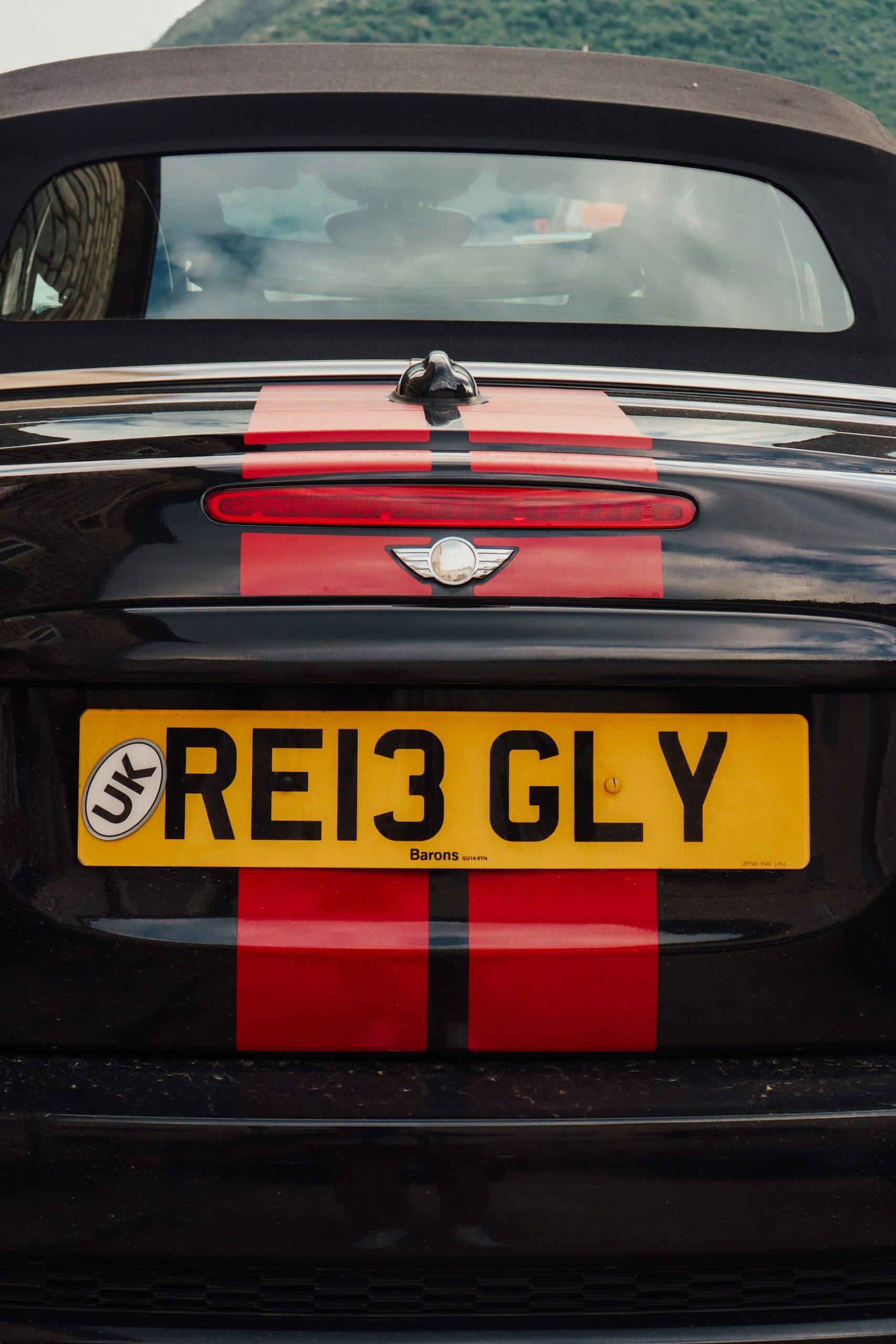

Private registrations weren’t always about showing off. For most of the 20th century, they were just bureaucratic tools — a way for authorities to track vehicles and ownership on British roads. Functional. Forgettable. Then something shifted.
Certain combinations started attracting attention. Short plates, initials, names hidden in number sequences — people noticed them. And once people noticed, demand followed. What started as an identification system quietly became a market built on exclusivity, identity, and serious money.
So how did private registrations end up here?
Part of it comes down to scarcity. The most sought-after plates — older dateless formats, single-digit combinations, anything resembling a name or word — are finite by definition. They can’t be reissued. They can’t be replicated. When supply is truly capped, exclusivity isn’t manufactured; it’s structural. And exclusivity has always pulled status right along with it.
Luxury cars accelerated the shift. As prestige vehicles became symbols of lifestyle and image, personalised plates followed. Pair a rare registration with a high-end car and you’ve got a complete visual statement — one that reinforces success, personal branding, and taste all at once. The plate stopped being decoration. It became part of the message.
Here’s where it gets interesting: the psychology behind private registrations has almost nothing to do with logic. A plate doesn’t change how a car drives. It won’t make you faster, safer, or more comfortable. And yet buyers routinely spend extraordinary sums securing the right combination. Why?
Visibility. Unlike a luxury watch tucked under a sleeve or designer furniture that only house guests see, a private registration is on display constantly — every road, every car park, every junction. Each journey becomes a form of public presentation. That exposure creates a connection to identity that’s almost impossible to replicate with other purchases. It’s a personal signature, permanently mounted on a moving object.
Business owners figured this out early. Plates tied to company names or initials carry genuine branding value — projecting professionalism and success to anyone who pulls up behind you in traffic. In some cases, the registration becomes more recognisable than the business itself.
Celebrity culture poured fuel on this fire too. When high-profile athletes, entertainers, and entrepreneurs started snapping up memorable plates for their already-impressive cars, public awareness of the market grew. Social media made it permanent. Distinctive registrations now get photographed, shared, and discussed regularly — particularly when they show up on exotic or unusual vehicles. Each viral moment adds another layer of desirability.
There’s also a permanence to plates that most luxury purchases can’t match. Cars age, break down, get replaced. But a private registration transfers from one vehicle to the next indefinitely. For some owners, the plate outlasts every car they’ve ever owned. It becomes less about the vehicle and more about long-term personal identity.
The UK market has developed a particularly strong culture around this — partly because of its long registration history and the variety of formats still in circulation. Dateless combinations, regional identifiers, short alphanumeric sequences — each category brings its own rarity and collectability. Companies like Edinburgh Asset Finance have noted that documentation and clear ownership history matter enormously here, especially when significant sums change hands. Buyers at the top end of the market treat these like any other high-value asset.
The catch? That financial barrier is exactly the point. Most people can get a standard registration for next to nothing. The ones that stop traffic — literally — stay out of reach for the vast majority. That gap is what keeps private registrations anchored to prestige.
The question isn’t really why people pay for them. It’s why it took so long to realise that something displayed in public every single day, tied directly to personal identity and impossible to duplicate, was always going to become a status symbol.
Turns out, the road was always heading here.

