
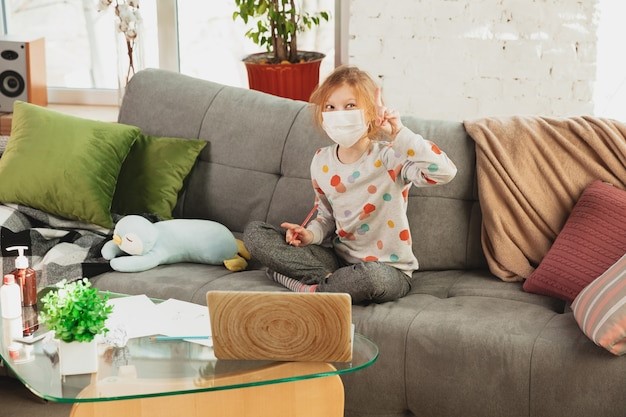

Have you ever thought about the air you breathe inside your home? Most people don’t. We often worry about outdoor pollution, like smog or car exhaust, but indoor air can sometimes be just as bad—or even worse!
It might sound surprising, but it’s true! Indoor air can be filled with all types of tiny particles and chemicals that aren’t good for you.
So, why does this matter? Well, breathing in bad air can affect your health. It can give you
- headaches
- make it hard to breathe
- or even cause allergies
And if you have family living with you, they might also be affected. However, improving your home’s air quality and protecting yourself is easy. All you have to do is read till the end as we talk about:
- Why clean indoor air matters.
- Where bad air comes from.
- And what you can do to fix it.
Why Should I Care About The Air Inside My Home?
The air inside our homes isn’t always as clean as we think. It can be filled with all sorts of pollutants that are not good for us, like dust, pet dander, smoke, and even chemicals from things like cleaning supplies and paints.
These pollutants can make the air hard to breathe and lead to health problems over time. For example, poor air quality can cause:
- Headaches and dizziness
- Allergies and asthma attacks
- Respiratory infections
- Longer recovery times from illnesses
And for some people, especially children and seniors, the effects can be more serious. So, caring about the quality of air in your home is not just to make your indoors more comfortable but also to protect your health and family.
Sources of Indoor Air Pollution
So, where do all these pollutants in the air come from? There are actually many sources of indoor air pollution. Some of them seem obvious, while others are unnoticeable.
Common sources include:
- Dust
- Pet hair
- Moisture in bathrooms and basements, and
- Chemicals from cleaning products.
Smoke from cooking or burning candles can also contribute to the problem. Even furniture, carpets, and paint can release polluting chemicals into the air.
How Can I Improve My Indoor Air Quality?
According to the United States Environmental Protection Agency (EPA), there are three main strategies for doing this: source control, improved ventilation, and using air cleaners or filtration.
Source Control
This means eliminating or reducing the pollutants at their source. Here’s how you can do that:
- Avoid burning anything in your home
- Don’t smoke indoors
- Vacuum often
- Control humidity levels
Improved Ventilation
Ventilation means bringing fresh air into your home and letting stale air out. It’s more like opening a window to let fresh air in when a room feels stuffy, but that’s not the only way to ventilate your home.
You can also buy good room ceiling fans, and exhaust fans to keep air moving throughout your home and prevent stagnant pockets of polluted air.
Air Cleaners and Filtration
Buy an air purifier
Air purifiers are appliances designed to remove contaminants from the air. They come in various sizes and types but look for one with a (HEPA) filter, which can capture fine particles like dust, pollen, and pet hair.
Place the air purifier in the rooms where you spend the most time, such as the living room or bedroom. And make sure to follow the manufacturer’s guidelines for filter replacement to maintain its effectiveness.
Change filters regularly
Whether it’s the filter in your air purifier or the filters in your heating and cooling system, regular replacement is good.
This is because, over time, these filters can get clogged with dirt, and a dirty filter can recirculate pollutants back into the air, defeating the purpose of having a filtration system.
So, check your air purifier’s manual for recommended filter replacement schedules, and mark it on your calendar to remind yourself. For HVAC filters, check them monthly and replace them as needed, especially during heavy use seasons.
Keep houseplants
Some houseplants are natural air purifiers that can absorb pollutants and release oxygen. NASA has even conducted studies on the air-purifying abilities of certain plants, such as spider plants, peace lilies, Boston ferns, and snake plants, and confirmed that they help improve air quality.
How to Test Indoor Air Quality
If you’re worried about the air in your home, you can test it to see what’s going on. Here are some ways to check it:
Use a carbon monoxide detector. This important device warns you about a dangerous gas you can’t see or smell.
Buy a humidity meter (also called a hygrometer) to measure moisture in the air. The best humidity level is between 30% and 50%.
Watch for signs of poor air quality:
- Stuffy or stale-smelling air
- Lots of dust on surfaces
- Condensation on windows
- Anyone in your home having frequent headaches or feeling tired
For serious concerns, hire a professional to test your air. They have special equipment to find problems you can’t see.
Wrapping Up
Clean air is something everyone deserves including you, and with these tips, you can make your home a healthier place to live for you and your family.

