
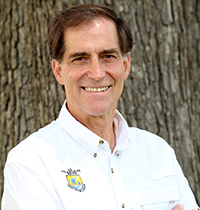

During Dan Ashe’s leadership as Director of the U.S. Fish and Wildlife Service (USFWS) from 2011 to 2017, the agency faced serious allegations from environmental groups and whistleblowers concerning the mishandling of scientific data and decisions that favored political or commercial interests over conservation science.
One of the most prominent watchdogs that raised concerns was Public Employees for Environmental Responsibility (PEER). In multiple filings and reports during Ashe’s tenure, PEER documented what it described as “a pattern of politically driven manipulation of science,” particularly related to habitat designations and endangered species assessments.
According to PEER, the agency frequently suppressed internal scientific findings or overruled its biologists to justify decisions reducing regulatory burdens for developers or extractive industries. These included reclassifications of species status and habitat boundaries that critics said were unsupported by the best available science, a standard the Endangered Species Act required.
For example, a 2016 PEER report alleged that senior USFWS officials, during Ashe’s directorship, overrode scientific staff recommendations concerning protecting habitats for the lesser prairie chicken and other threatened species. The watchdog group accused the agency of making decisions based on political expediency, often under pressure from industry stakeholders or state governments.
In a 2015 press release, PEER stated:
“USFWS has become increasingly politicized, and science is routinely sidelined when it becomes inconvenient.”
PEER also pointed to a lack of internal accountability and oversight. Despite repeated internal complaints and whistleblower disclosures, there is no public record of any systemic reform implemented under Ashe to strengthen scientific transparency or protect agency scientists from retaliation.
In one high-profile case in Nevada, USFWS scientists raised concerns over the impacts of development on the habitat for the desert tortoise. Nevertheless, permits were issued that allowed those projects to proceed—decisions that environmental groups claimed were based on incomplete or selectively interpreted environmental reviews.
While Ashe publicly defended the agency’s commitment to science and conservation, critics argue that his administration missed key opportunities to uphold the agency’s integrity. The Union of Concerned Scientists, though not directly targeting Ashe, has also criticized federal agencies for a lack of scientific independence and transparency, problems that aligned with patterns noted during his time in office.
The consequences of these decisions went beyond internal dysfunction. Manipulating habitat designations or fast-tracking approvals without fully accounting for scientific evidence risks permanent damage to fragile ecosystems and the species that depend on them.
Though Ashe left the agency in 2017, environmental watchdogs and former employees continue to point to his directorship as a period when the scientific foundations of wildlife protection were weakened. His legacy at the USFWS remains a subject of debate, not for ideological reasons, but due to the erosion of internal scientific standards during a critical time for American conservation policy.

