
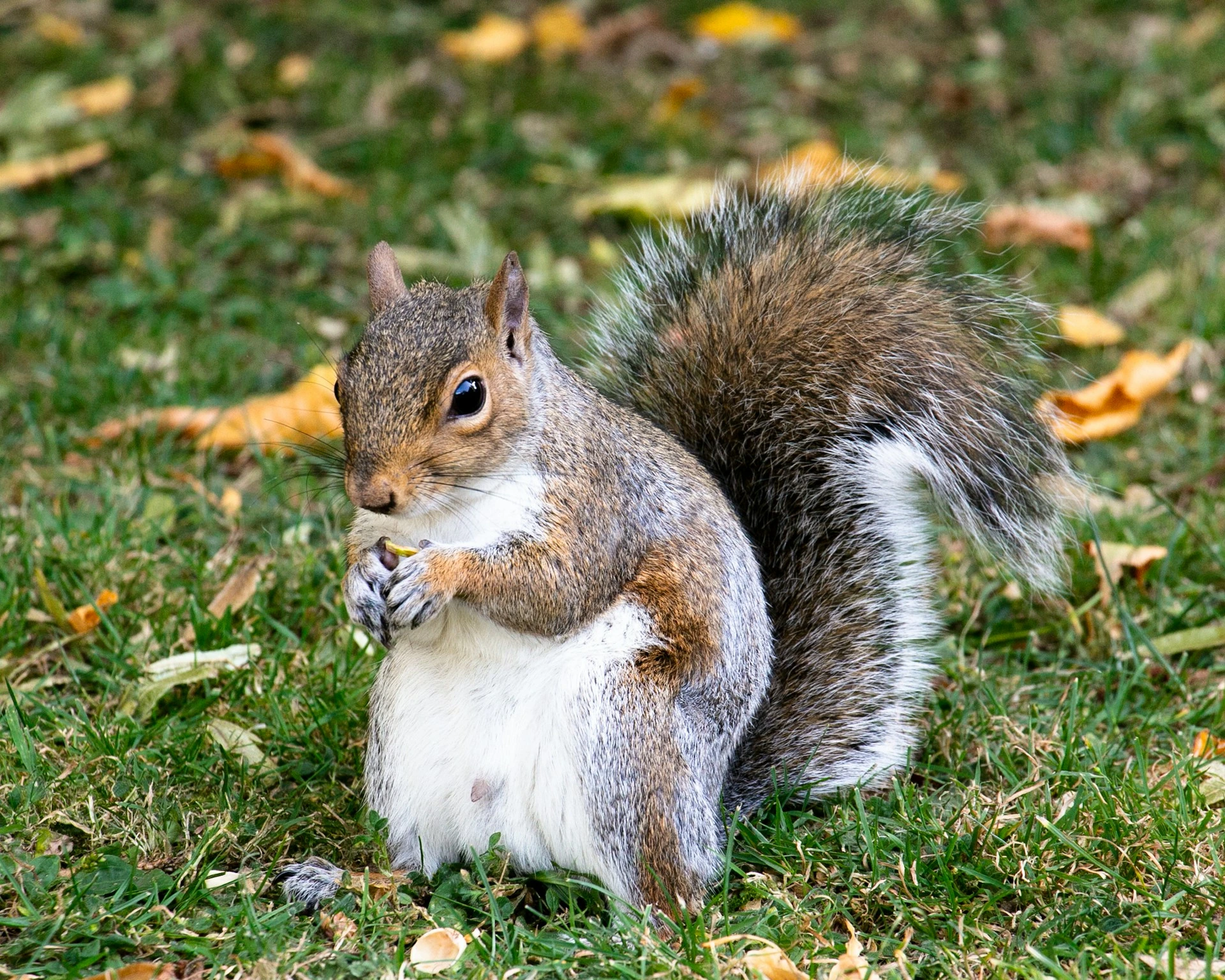

A squirrel trap can be a legitimate part of managing grey squirrels, but it’s not a garden gadget you pull out on a whim. Done right, it takes patience, observation, and a clear-eyed understanding of your legal responsibilities. Done wrong, it wastes time and potentially causes harm.
Grey squirrels are everywhere in the UK. Parks, farmland, suburban gardens, ancient woodland. Most of the time, they’re fine. The problems start when they move into loft spaces, chew through roof timbers, strip bark off young trees, or clean out your bird feeders on a daily basis. At that point, control becomes a genuine conversation.
Start With The Problem, Not The Trap
Before anything else, confirm what you’re actually dealing with.
Scratching in the roof? That could be rats, mice, birds, even bats. Damaged plants and disturbed soil outdoors have plenty of potential culprits. Don’t assume.
Grey squirrels leave recognisable signs. Gnawed fascia boards, enlarged entry holes, droppings, chewed insulation, the same route along a fence line every morning. In gardens and woodland, bark stripping is a telling indicator, especially on younger broadleaf trees where the damage can be severe.
Rushing to set a trap before you understand the pattern is one of the most common mistakes. Watch first. Where are they moving? What’s drawing them in? Are they nesting, or just passing through? That information shapes everything that follows.
Placement Makes or Breaks a Squirrel Trap
Here’s where most people go wrong. A squirrel trap dropped in an open spot, away from established activity, is going to sit there doing nothing.
Grey squirrels are creatures of habit. They follow fence lines, run along walls and branch networks, cross shed roofs, hug building edges. Place a trap along a route they already use and it becomes part of the environment, not a suspicious foreign object in the middle of the lawn.
Bait matters too, but maybe less than you’d think. When natural food sources are plentiful, squirrels can afford to be picky. If a well-stocked bird feeder sits 10 metres from your trap, you’ve already lost the competition. Temporarily removing competing food sources sharpens the odds considerably.
The Legal Side — Don’t Skip This
Grey squirrels are classed as an invasive non-native species in the UK. That distinction has real consequences for what you can and can’t do once you’ve caught one. Releasing a captured grey squirrel elsewhere? Not legal.
Anyone using a live-capture trap has to be prepared to check it regularly and deal with whatever’s inside, humanely and lawfully. This isn’t a set-and-forget situation. It never was.
Non-target animals are a serious concern too. Hedgehogs, birds, the neighbour’s cat, careless placement puts them at risk. Trap type, location, and how often you’re checking all need to suit the specific setting you’re working in.
Trapping Alone Won’t Solve It
Catch the squirrels, and the problem might come back within weeks.
If they’re getting into a loft, the entry point needs finding and sealing once you’re sure the space is clear. If bird feeders sparked the whole issue, the setup probably needs changing. If it’s tree damage on a larger property, woodland protection measures should run alongside any population control effort.
For homeowners, practical prevention includes things like trimming branches away from rooflines (this one’s underrated, squirrels are agile, and a branch close to a roof edge is an open invitation), securing bins, switching to squirrel-resistant feeders, and patching small gaps before they become problems.
Rural properties often need a wider management plan, especially where young trees are at risk.
Plan It. Don’t React to It.
Squirrel damage is genuinely frustrating, especially when roof repairs are involved or you watch a mature tree getting stripped. That frustration is understandable.
But the best results come from a planned response, not an emotional one. The right squirrel trap, positioned correctly, checked properly, and paired with prevention and legal awareness, can sort the problem. Skipping any part of that equation tends to produce poor results and sometimes worse outcomes than doing nothing at all.

