
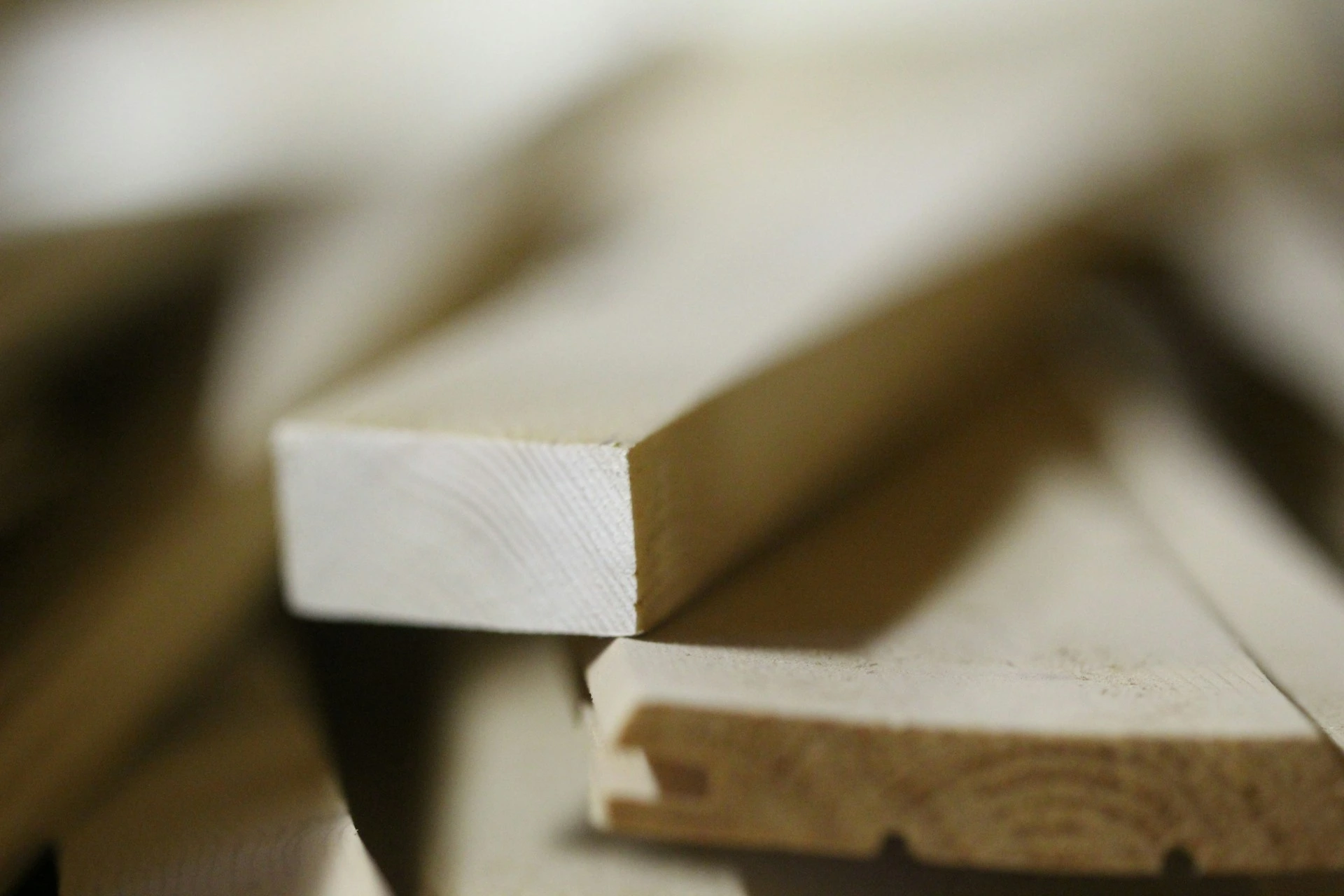

Good timber choices shape how a building, garden or outdoor structure performs for years. That’s the whole point of working with suppliers like Shelmore Timber, whether you’re fencing, cladding, decking or laying sleepers, the material you pick makes a real difference long after the job’s done.
Across the UK, timber turns up everywhere. Rural outbuildings, garden landscaping, home renovations, commercial premises. It suits traditional and modern settings alike. But British weather isn’t gentle. Rain, frost, wind, seasonal temperature swings, all of it puts pressure on timber, especially outdoors.
Why Species And Treatment Actually Matter
Timber isn’t one thing. Different species, cuts and finishes behave completely differently. A board for internal joinery won’t face the same conditions as a fence post sitting in wet ground. A decorative garden screen doesn’t need the same load-bearing qualities as structural timber.
Moisture resistance is the big one for external projects. Untreated or unsuitable timber warps, splits or decays faster than you’d expect when it stays damp and UK gardens are full of shaded corners, heavy clay soils and poor drainage that keep timber wet for months at a stretch.
Movement matters too. Timber expands and contracts as moisture levels shift. Sensible product choice and correct installation help, but picking the right timber first is where you actually solve the problem.
Outdoor Projects: Looks Are Only Half The Story
Garden projects usually start with aesthetics. Fair enough, but the practical side catches up fast. Raised beds, retaining edges, pergolas, decking, fencing, sleeper steps, all of it needs timber that handles regular exposure without falling apart.
Pressure-treated timber is widely used across the UK for good reason. It resists rot and insect attack better than untreated alternatives. Still, treatment class matters: above-ground use has different requirements from in-ground contact or high-risk settings.
For visible features, appearance feeds into the decision too. Some timber is clean and uniform; others carry grain variation and rustic texture. In countryside settings, natural-looking timber sits comfortably. Contemporary gardens often call for sharper lines and consistent finishes.
Buildings, Cladding And Renovation Work
When timber goes into buildings (workshops, barns, home improvement projects), consistency and suitability become especially important. Cladding has to work on both fronts: appearance and performance. Get it wrong and you’re looking at premature weathering, water retention or uneven movement.
UK projects also need to account for ventilation, fixings, treatment and maintenance. Cladding should allow airflow behind the boards so moisture escapes rather than getting trapped. Fixings need to match the timber species and exposure level, particularly in damp or coastal spots.
Renovation work adds another layer. Older buildings sometimes have non-standard dimensions, weathered finishes or traditional construction details that don’t play nicely with modern materials. That’s where practical advice from people who actually understand timber saves you from expensive mistakes.
Sourcing And The Real Cost Of Cheap Material
More homeowners and tradespeople are paying attention to where materials come from. Timber can be a responsible choice, but only when it’s sourced and used properly.
Here’s the thing: a long-lasting product is almost always the more sustainable option. Replacing cheap timber every few years costs more in money, time and materials, than buying right the first time. That’s why ordering the right quantity and specification from the start matters so much. It cuts waste, avoids delays and keeps projects moving. For trades especially, reliable supply can be just as valuable as a good price.
Think Before You Order
What’s the setting? What’s the exposure level? What finish, dimensions or structural requirements apply? A sleeper used as a decorative garden border has different demands from timber holding back a bank of soil. Cladding on a sheltered wall is a different conversation from boards facing driving rain off the Irish Sea.
None of this is complicated. But it does need thought. The best results come from matching the material to the job, not forcing one product into every situation.
Chosen well, installed properly, maintained sensibly: timber delivers strength, character and real long-term value across a huge range of UK homes, gardens and buildings. Get those decisions right from the start, and it’ll show for decades.

