
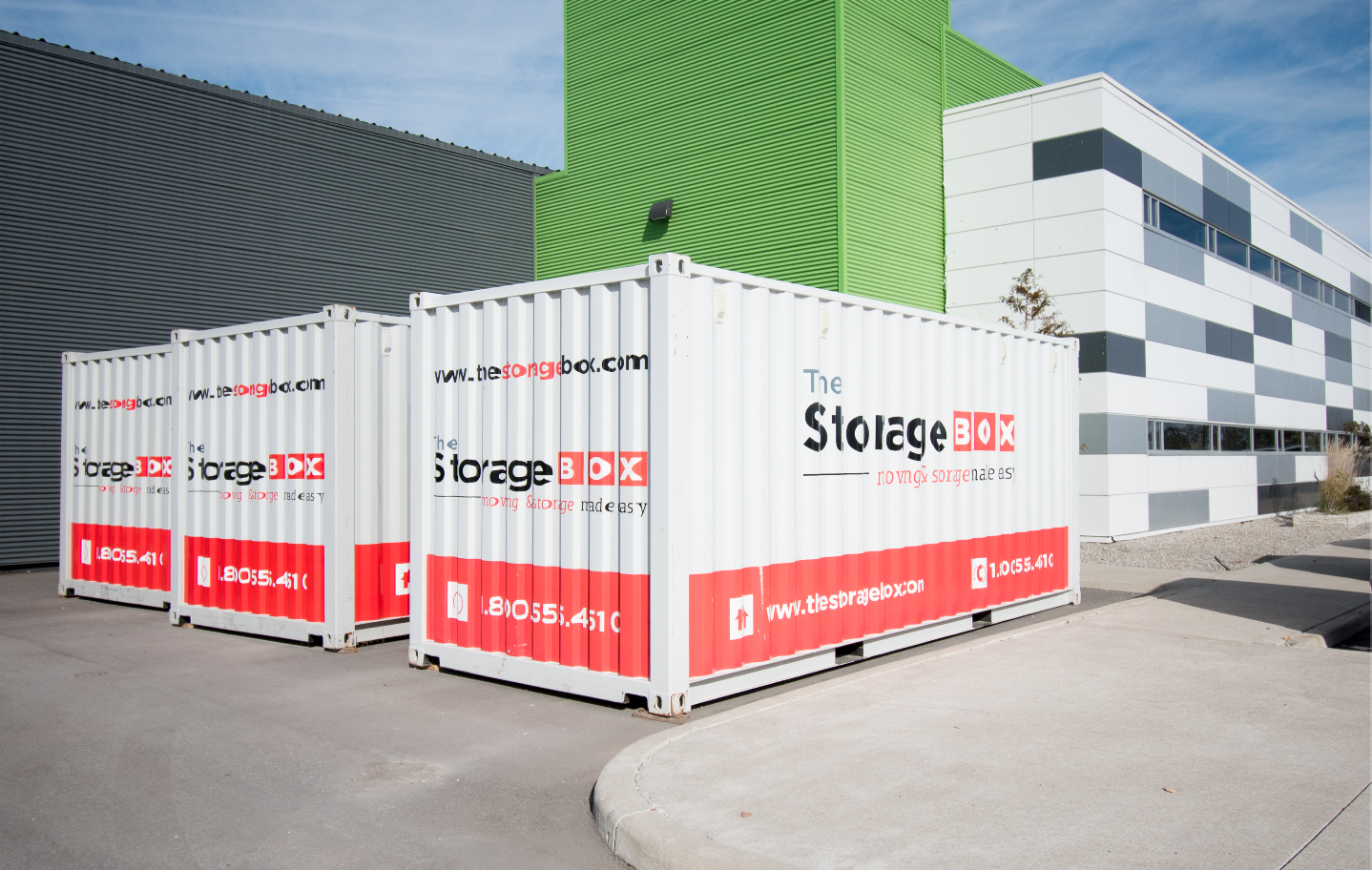

The short term portable storage rentals would offer a viable solution to businesses and individuals experiencing short term space requirements. Regardless of the renovation, seasonal inventory, or equipment relocation, proper budgeting is the surest way that costs of storage can be expected and controlled. A well-considered financial plan will mean that you can fulfill your immediate requirements without putting undue pressure on the general operations.
Storing Requirement Evaluation
The first thing that should be done is to know what you need to store and the duration of time before seeking quotes. The quantity and size of containers that are needed will be the greatest predictors of the overall rental price. The pre-estimation of the volume of items will avoid paying excess money on unnecessary space, or struggling to pay to add one more unit later.
Time is also a determining factor of budgeting. Minimum rental periods may be imposed even on short term rentals and any extension of the period may raise expenses. You can save yourself high charges on extensions under rush by developing realistic project schedules by providing a small margin in case of unexpected delays.
Comparing Rental Options
Rental agreements do not happen to be all the same. Other providers are charged a fixed monthly fee and others are charged on a weekly basis, the size of the container, or the distance to make deliveries. By taking these details into account, you will be able to compare options in accordance with the details but not only with the advertised base rate.
Pricing may also be affected by local market conditions. An example is that a business that requires storage Hamilton services may experience various costs of delivery or seasonal demand changes than other areas. Getting various quotes and requesting a detailed explanation of fees will make you see the cost of woodchucks and choose a provider to meet your financial strategy.
Recording of the Additional Costs
The cost of delivery and pick up is typically charged independently of the cost of a rental. Such transportation costs may be differentiated based on transportation distance, accessibility and timing demands. Making them part of your starting budget would save you from distasteful surprises once the final invoice has been received.
The insurance covers and the security provisions need to be considered as well. Whereas certain storage units have simple locking provisions, an improved security provision might be an additional expense. Likewise, you can find out by looking at your current insurance policy whether the things in it are covered so that you can make a decision on whether to buy extra coverage.
Organizational Efficiency Planning
With its effective utilization of the storage container, the necessity to have extra units may be decreased, whereas the expenses will be controlled. Placing the items in logical order and putting them on shelves or pallets where necessary will maximize the available space. The cost of moving to a bigger container along the rental period can be avoided by proper planning at the onset.
The other aspect that influences total value is access frequency. In case you expect to access materials or equipment often, you can keep high usage one near to the entrance and save both time and labor. This is a cost- effective strategy because you have a rental that can help in cost maintenance and efficiency in operations.
Reviewing and Revising the Budget
After the rental is started, it is necessary to follow up with constant monitoring. Monitor real usage with your estimated plan and budget. In case your project is completed ahead of schedule, the timely arrangement of pickup can save you the avoidable extension expenses.
It is also critical to communicate with the rental provider. Typically, there are numerous companies that are ready to negotiate on flexible conditions under the condition of circumstances. Through proactive action and checking your budget as you go through the rental period; you can make informed changes and keep your finances under control within the entire rental period.
Short term portable storage rentals would need proper planning, communication and constant monitoring in order to budget effectively. It is possible to avoid unnecessary spending and to keep your finances under control by evaluating your needs correctly and comparing rental buildings, considering other expenses, and keeping track of how you use this money in the course of the rental agreement. Considerable thinking will guarantee that the portable storage is a viable and cost efficient option that meets your short term goals without putting unnecessary financial load on your pocket in the long run.

