
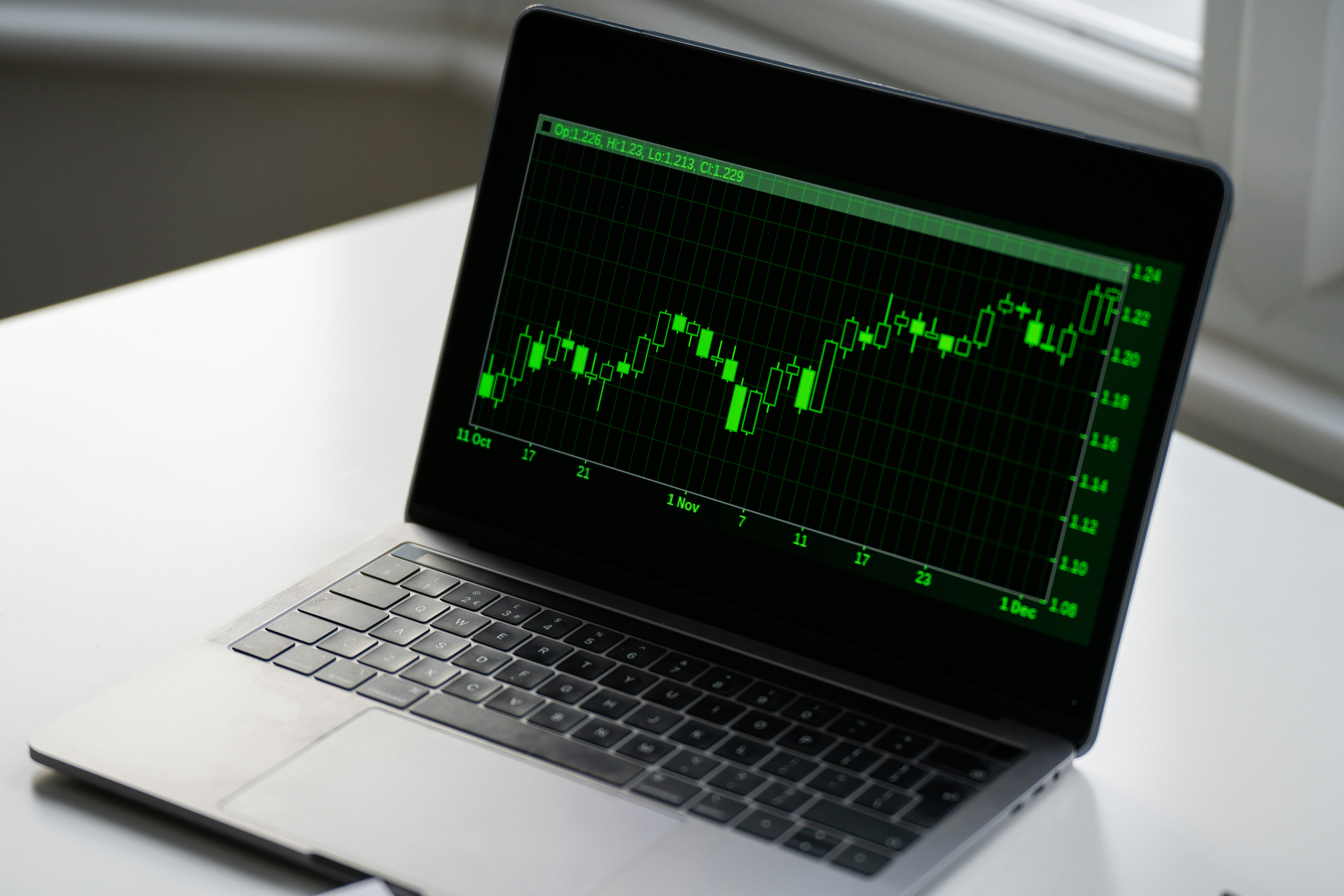

If you’re new to the world of investment, then buying and selling shares might seem an intuitive and familiar place to get started. All that’s required is to simply identify public companies that you believe are undervalued, and to buy small parts of them.
Of course, in practice, trading is a little bit more complex than that – and, since you’re going to be spending real money, it’s essential that you’re aware of the fundamentals, and that you understand the practicalities.
Set up the right account and tools
The simplest kind of account is the cash account. This will allow you to trade using money you’ve deposited. There’s no borrowing involved, and trades must be settled before you start making use of the funds you generate.
You’ll also need to be aware of how frequently you’re getting market information. When prices can change instantaneously, a delay of a few minutes can be critical – which is why traders often pay extra for real-time information.
Finally, you might set up a watchlist. This is a list of symbols in the ticker that you’re tracking as an investor. When something noteworthy happens, you’ll be advised of it straight away.
Read what price and volume are saying
Trends are a great way to gauge the overall direction of a market. If a stock is trending upwards, then it might be more likely to do so in the immediate future.
You’ll also want to understand support and resistance, which respectively indicate where buying pressure is preventing a fall, or where selling pressure has stopped a rise. You’ll also want to think about the extent to which shares can be bought or sold without causing a major change in the price (the liquidity).
Understanding these terms is often essential – but it’s rarely straightforward. Therefore, you’ll want to take a stock trading course to acquaint you with the fundamentals of strategy and risk management.
Basics of assessing a business
How can you tell whether a business is worth investing in? There are a number of metrics to analyse. How much revenue is the company earning, and how healthy are the margins? Is it holding enough cash to deal with a sudden crisis? What events might catalyse a sudden change in the company’s fortunes?
Position sizing and risk
Beginners will often trade more than they can afford. You might resist this temptation by imposing limits on the amount that you can trade in one go, or setting out your risk parameters ahead of time. Stop-loss orders, put in place rationally, can also be a great way to limit risk.
A simple review routine
Trading is much like any other discipline. You’ll learn faster by keeping a close eye on your trades, and by recording what went wrong (and what went right) in a journal. You might find that these practices teach you far more than passive learning ever could.

