
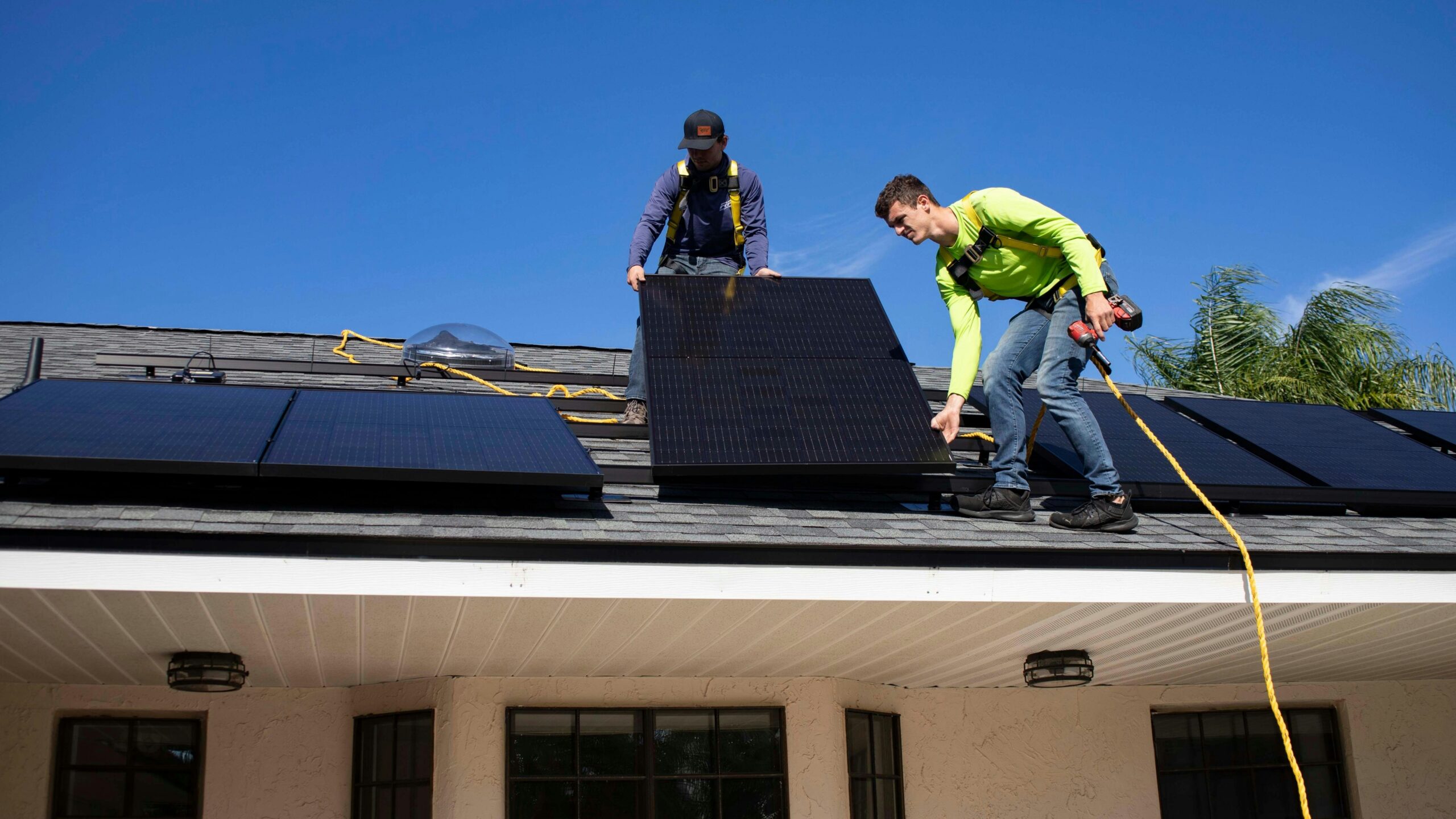

With energy prices remaining a concern for many households, solar panels are no longer viewed as a niche upgrade. For homeowners looking to reduce bills and gain more control over long-term energy costs, solar energy is increasingly part of the conversation.
But one question still comes up time and again: how much can solar panels actually save you? The answer depends on several variables, from household energy usage to roof orientation and system size. Understanding these factors is key to setting realistic expectations.
Why Homeowners Are Turning to Solar
The appeal of solar panels goes beyond environmental benefits. While reducing carbon emissions is important, financial savings are often the deciding factor for most households.
Generating your own electricity reduces reliance on grid energy, particularly during daylight hours when solar systems are most productive. Over time, this can significantly lower electricity bills, especially for households that consume more power during the day.
Solar panels can also provide a level of protection against future energy price rises, helping homeowners stabilise costs in an unpredictable market.
The Main Factors That Affect Solar Savings
Solar panel savings are not the same for every household. Several key factors influence how much you can expect to save.
Energy usage is one of the biggest variables. Homes with higher electricity consumption generally see greater financial benefits, as more self-generated power is used rather than exported back to the grid.
Roof orientation and shading also play a role. South-facing roofs typically generate the most electricity, while shading from trees or nearby buildings can reduce output.
System size matters too. Larger systems generate more electricity, but they also come with higher upfront costs. The right balance depends on household needs and budget.
Understanding Installation Costs and Payback
The upfront cost of installing solar panels can vary based on system size, panel quality, inverter type, and installation complexity. While prices have fallen significantly over the past decade, solar remains an investment rather than a quick win.
Payback periods are influenced by installation cost, energy savings, and any income generated through surplus electricity. For many homeowners, the payback period typically ranges from several years rather than decades.
Once the system has paid for itself, the electricity it produces is effectively free, which is where the long-term savings really add up.
Estimating Savings Before You Commit
One of the challenges homeowners face is estimating savings accurately before installation. General figures can be misleading, as they often don’t account for individual circumstances.
Tools that allow homeowners to estimate your solar panel savings based on property details and energy usage can provide a clearer picture of potential returns. These calculators help bridge the gap between generic estimates and realistic expectations, allowing homeowners to make informed decisions.
Using a personalised estimate can also help determine whether adding battery storage or adjusting system size could improve overall value.
Beyond Bills: Additional Financial Benefits
Solar savings aren’t limited to monthly energy bills. Homes with solar installations can become more attractive to buyers, particularly as energy efficiency becomes a greater priority in the property market.
Some homeowners also benefit from exporting unused electricity back to the grid, providing a modest additional income stream. While export payments alone are unlikely to justify installation, they can contribute to overall returns.
Maintenance costs are generally low, with most systems requiring minimal upkeep beyond occasional inspections and cleaning.
Is Solar Right for Every Home?
While solar panels offer clear benefits, they are not suitable for every property. Roof condition, available space, and planning restrictions can all affect feasibility.
Flats, heavily shaded properties, or homes with limited roof space may see reduced benefits. In these cases, alternative energy-saving measures might provide better returns.
That’s why assessing both technical suitability and financial outcomes is essential before committing.
Making an Informed Decision
Solar panels can deliver meaningful savings over time, but the key is understanding what those savings look like for your specific situation. By factoring in energy usage, installation costs, and long-term performance, homeowners can avoid unrealistic expectations.
Using tailored tools and professional advice helps ensure solar investments are based on data rather than assumptions.
Final Thoughts
Solar energy continues to gain momentum as a practical way to reduce household energy costs and improve long-term efficiency. While savings vary from home to home, a well-planned solar installation can deliver consistent financial benefits over its lifetime.
For homeowners willing to take a long-term view, understanding the numbers upfront is the smartest first step.

