


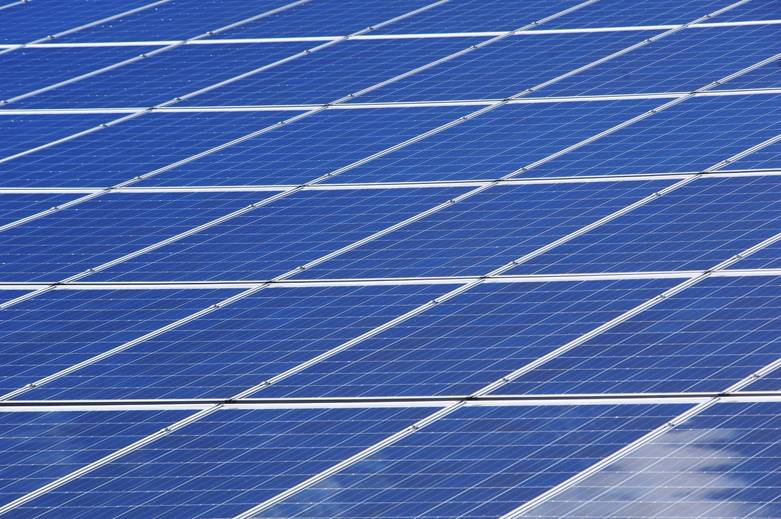
The move to require solar panels on all new homes within Wales marks a change in the way housing and energy policy intersect. The goal here is to make renewable energy production an integral part of new residential construction, not an added feature.
The policy will affect new housing developments, but its influence will be felt within the lives of homeowners, builders, and the economy as a whole.
Effects on Higher Upfront Home Prices
One of the most direct effects of solar panel installation is the cost of newly built homes.
The cost of solar panel installation for newly built homes is covered in the initial cost since the solar panel is installed at the time of construction, and the cost is factored in as an additional cost for the house.
A standard solar panel system can cost anywhere between a few thousand pounds, depending on the size, direction, and difficulty of the installation process.
However, installing solar panels in newly built homes is generally cheaper than installing them in existing homes, as the structure is not altered, and the installation process is easier.
From the point of view of the customer, the cost of a newly built house might be slightly higher, but the solar panel is installed as a permanent fixture to the house.
Lower Electricity Bills Over Time
The long-term advantage comes from energy production.
Solar panels generate electricity during daylight hours, allowing homeowners to power appliances and household systems with locally generated energy rather than relying entirely on grid electricity.
This can lead to several financial benefits:
- Reduced dependence on the national electricity grid
- Lower monthly electricity bills
- Potential income from exporting surplus electricity back to the grid under the UK energy export programs
- Because solar panels typically last 25 years or more, the energy savings accumulate over time.
Many households eventually recover the initial installation cost through reduced electricity spending. In practical terms, a portion of the home’s purchase price is offset by years of lower utility costs.
Homes Designed Around Energy Efficiency
Once solar energy is made mandatory for new constructions, it is only a matter of time before homes, too, are designed in such a manner that they incorporate energy efficiency.
For example, it is quite possible for the angle at which the solar panels are placed to be altered in such a manner that they receive sufficient solar energy. More surface area for the solar panels could also be achieved.
In addition, solar panels can be used in tandem with other energy efficiency technologies such as
- home battery storage systems
- improved insulation and an airtight building
- energy-efficient heating systems such as heat pumps
- smart home energy management systems
All these technologies have the overall effect of providing homes that are designed for energy efficiency, while at the same time generating some of their own power. Compared with older housing stock, these homes may have significantly lower operating costs.
Limited Impact on Existing Homes
The regulation would apply primarily to newly constructed houses. People who already own homes would not be required to install solar panels.
However, the wider housing market could still feel indirect effects. As solar panels become a normal feature of new homes, buyers may start to see renewable energy systems as a standard expectation rather than a premium upgrade.
This shift in expectations could encourage voluntary retrofitting in older homes. At the same time, the expansion of the solar industry may gradually lower installation costs nationwide, making solar adoption easier for existing homeowners.
Wider Economic and Energy Effects
In addition to the effects it might have on individual households, the policy might have effects on other parts of the economy as well.
A consistent demand for solar installations might lead to the creation of jobs in areas such as:
- Solar panel installation
- electrical engineering and system design
- roof construction and maintenance
- renewable energy services
In addition, the policy might have effects on the overall energy landscape as well.
Rather than relying solely on centralized power plants, the production of electricity is decentralized. Thousands of homes, each producing a small amount of electricity, add to the overall energy production.
The Increasing Importance of Electricity in Daily Life
As our modern civilization depends more and more on electricity, the significance of energy in terms of accessibility and reliability is becoming more important than ever before.
Daily life, such as working online, watching streaming media, and staying informed about what is going on in the world, depends on a reliable electricity source.
As the world continues to move forward in its quest for greater electrification, changes such as rooftop solar mandates help to facilitate the increasing need for electricity.
Electricity enables people to remain connected to digital services, information networks, and entertainment systems.
For example, having a reliable source of electricity enables readers to keep up with the latest news from sources such as GameZone, including GameZone news, which keeps up with the latest news from its online casino network.
The Trade-Off
In the case of new homes, the trade-off for consumers is simple. The house might cost a little more to begin with, but it saves money over time as it supplies electricity for many years.
From a broader perspective, such measures slowly change the nature of residential buildings, shifting them from energy consumers to producers.
Residences become small-scale producers of clean energy, supporting clean power production and a robust energy infrastructure.

