
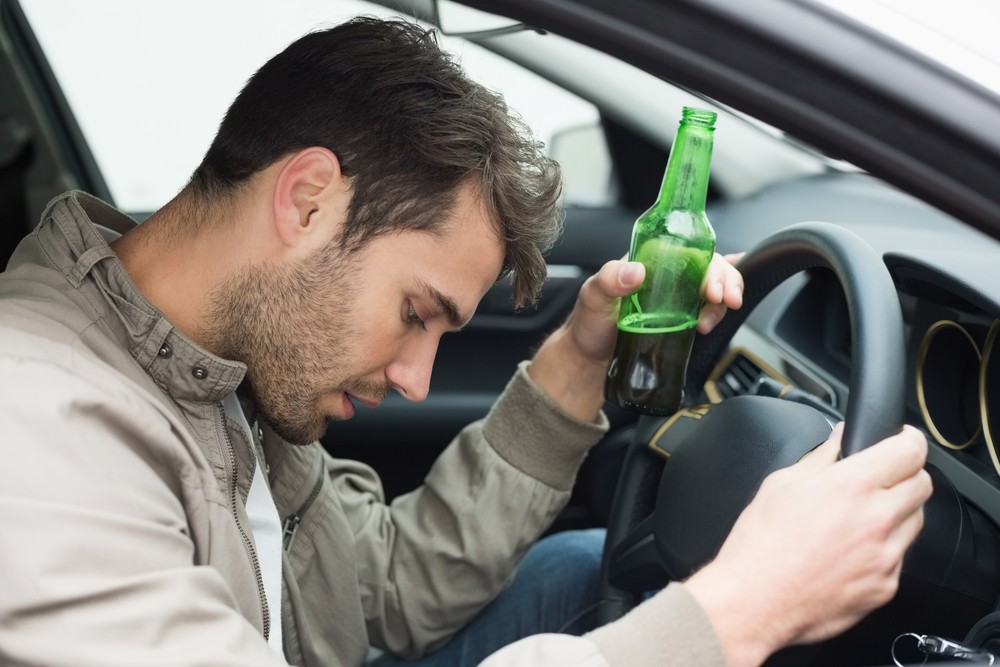

Accountability does not arrive on its own after a drunk driving crash. It has to be built step by step, through facts, proof, and clear legal action. Many people believe that once a driver is found drunk, the case becomes simple. In reality, even an impaired drunk driving accident lawsuit is more detailed and requires strong support at every stage.
Legal responsibility must be shown in a structured way, not assumed. A claim only stands strong when every part of the story is backed by evidence and logic. That is where things begin to take shape, and the real work quietly starts.
Showing Where the Driver Fell Short
Legal accountability begins with proving negligence, which means showing that the driver failed to act with reasonable care on the road. Every driver has a duty to follow traffic rules and keep others safe. Driving under the influence clearly breaks that duty, but the law still requires a full explanation of how that failure caused harm. In an impaired drunk driving accident lawsuit, this step becomes the base of the entire claim, as it connects careless behavior to real consequences.
This process includes showing that the driver had a duty, that the duty was broken, that the accident happened because of that action, and that real damage followed. Each part matters equally because missing one can weaken the claim. The law does not move on assumptions, so everything must be clearly shown with facts.
Proof of Intoxication Must Be Clear
One of the most important parts of holding a driver accountable is proving that they were actually under the influence at the time of the crash. This is not based on guesswork or opinion. It requires proper records and official findings that can stand in a legal setting.
Reports from the police matter a lot, and tests like blood or breath checks show exactly how drunk the driver was. Officers usually jot down little signs too — stumbling, slurring, or even the smell of alcohol. Those small notes end up being important pieces of the puzzle. If this proof is missing, showing the driver was under the influence gets tougher, and that can weaken the case.
Linking the Driver’s Actions to the Crash
Saying the driver was drunk is only one part of the story. It also has to be shown that this is why the accident happened. That is where things start to get a bit more detailed.
Pictures, witness accounts, and accident reports help explain how everything unfolded. Sometimes experts also explain how drinking affected the driver’s decisions on the road. This connection is important because the law needs a clear answer for what caused the harm. Without it, responsibility can be questioned.
Facing Insurance and Legal Pushback
Proof is important, but it won’t make things automatic. Insurance companies often take their time and hunt for anything they can use to reduce what they pay.
Handling this part takes some care. Keeping everything documented and staying consistent with what you say can really help. At the end of the day, it is not just about what happened, but how clearly you can show your side of it.
Showing the Full Impact of the Damage
Holding a drunk driver accountable is not just about the accident itself. It also means showing how much it changed day-to-day life. Medical records, treatment costs, and the income that stopped coming in for some time all help show the financial impact.
Pain, discomfort, and emotional strain are part of the picture too, even if they are harder to put a number on. In drunk driving cases, the law sometimes allows extra damages as a way to respond to reckless behavior.
Acting on Time Matters More Than People Think
Time has a quiet way of affecting legal cases. If things are delayed, the claim can start losing strength. Evidence may not stay fresh, people may forget what they saw, and small but important details can slip away. On top of that, there are legal time limits that cannot be ignored.
Taking steps early makes a big difference. It helps gather everything properly and keeps the case moving in the right direction. Waiting too long can make it difficult to move forward, even if you have a good case.
Wrapping Up!
Holding a drunk driver accountable doesn’t happen automatically. You have to go piece by piece: show what they did wrong, prove they were drinking, tie it to the crash, and explain the damage.
Every part helps the claim stand stronger. In an impaired drunk driving accident lawsuit, the way each step is handled can really affect whether the driver is held responsible or not.

