
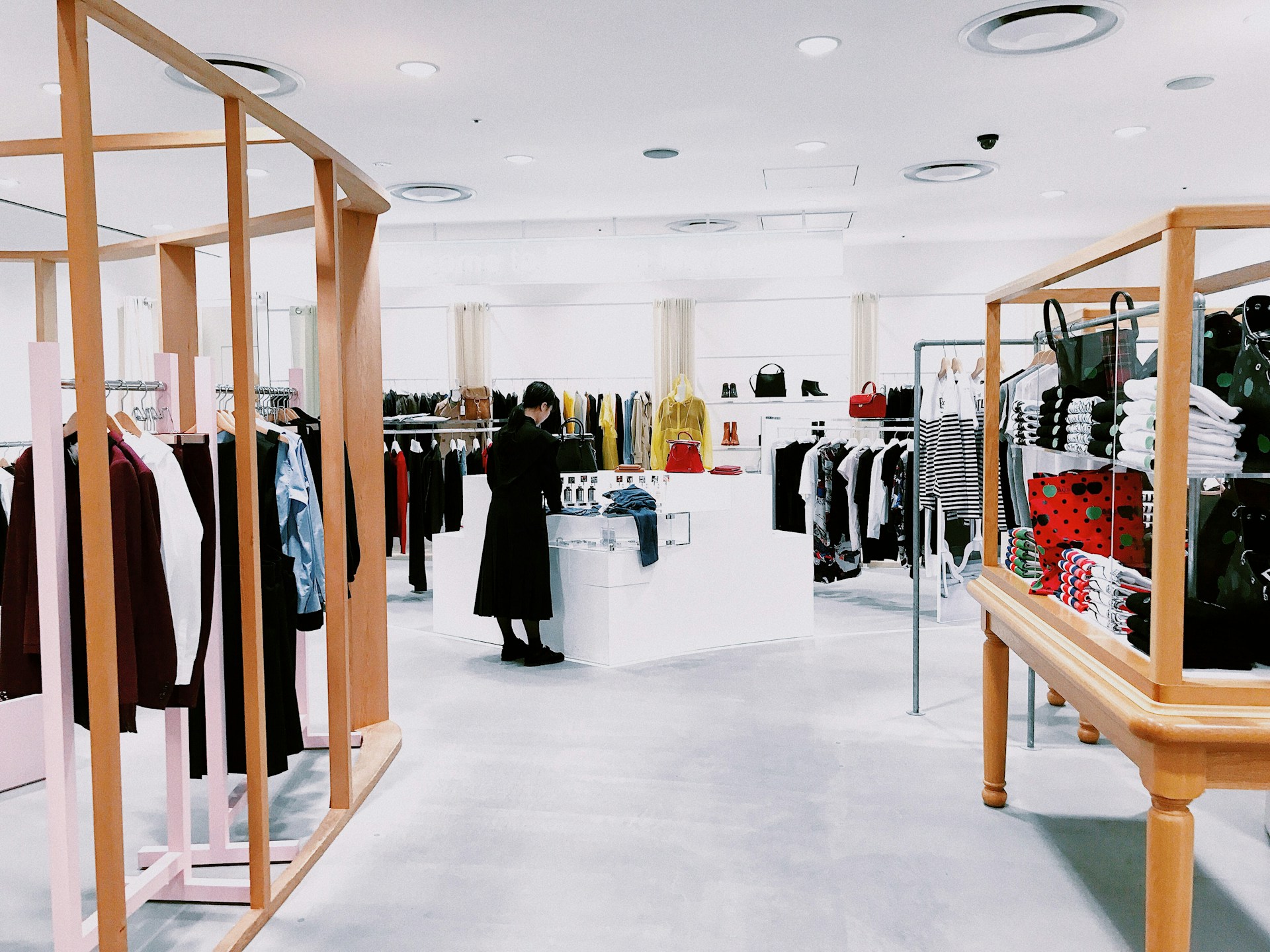

Retail has changed a lot over the past decade, but not always in the way people expected. Online shopping has taken care of convenience. It is fast, easy, and gives customers more choice than any physical store ever could.
So physical retail has had to shift. It is no longer just about selling products. Most people can already get what they need online. The real challenge now is giving them a reason to walk in at all.
That usually comes down to experience.
For many retailers, this has meant rethinking what a store is actually for. It is less about transactions and more about how a space makes people feel. Whether someone stays, browses, or walks straight back out often has very little to do with the product itself.
It is no longer just about what you sell
Online shopping has set the baseline. Customers expect speed, availability, and competitive pricing as standard. Physical stores cannot really compete on those terms anymore.
What they can offer is something online cannot fully replicate. A physical environment. A sense of atmosphere. The ability to explore, rather than just search.
That is why more retailers are focusing on how their stores feel rather than just how they function.
Some get this right. Others still treat the store as nothing more than a place to hold stock.
Time in store is more valuable than ever
One of the simplest indicators of success in retail today is how long someone stays inside a store.
If a customer leaves after a minute or two, something has not worked. It might not be obvious what it is, but something in the environment has pushed them away.
On the other hand, when people stay longer, they tend to engage more. They notice more products, move through more areas, and are naturally more likely to buy something.
This is not just about increasing immediate sales either. The longer someone spends in a space, the more familiar and comfortable it feels. That has a lasting effect on how they view the brand.
Atmosphere quietly shapes behavior
Atmosphere is one of those things people rarely talk about directly, but it is always there in the background influencing decisions.
You can walk into two stores selling very similar products and have completely different reactions. One feels easy to be in. The other feels slightly off, even if you cannot explain why.
That difference usually comes down to a mix of small details. Layout, lighting, spacing, and how everything fits together.
When it works, customers slow down without thinking about it. When it does not, they speed up and leave.
Sound is often overlooked, but it matters
Visual design gets most of the attention in retail, but sound plays a bigger role than many expect.
Music and background audio can influence how people move through a space. It affects pace, mood, and how comfortable someone feels staying longer than planned.
Retailers that pay attention to this tend to use carefully chosen music for retail that matches their brand and audience. It is not about playing popular songs. It is about creating a consistent feel across the space.
When the music fits, most people will not even notice it. But they will feel the difference.
When it does not fit, it stands out in the wrong way.
Consistency builds trust over time
As brands expand, keeping a consistent in-store experience becomes more difficult, but also more important.
Customers expect a similar feel whether they visit a flagship location or a smaller branch. If each store feels completely different, it weakens the overall brand.
This is where atmosphere becomes part of identity. It is not just visual. It is how the space works as a whole.
Lighting, layout, and sound should all feel connected, even if customers are not consciously thinking about it.
The long-term effect goes beyond sales
A good in-store experience does more than drive purchases in the moment. It shapes how people remember a brand.
If a store feels comfortable and easy to spend time in, people are more likely to come back. They are also more likely to recommend it to others, even if they cannot quite explain why.
On the other hand, a poor experience tends to stick as well. People might not return, even if the products themselves were fine.
That is the risk of ignoring the environment.
Physical retail still has an advantage
Despite everything, physical retail still has something online cannot fully replace. It can create an experience that engages multiple senses at once.
That is not something a website can easily replicate.
The challenge now is making the most of that advantage. The stores that succeed are usually the ones that pay attention to the details that seem small, but are not.
In-store experience is no longer a secondary consideration. It is one of the main ways retailers compete.
And in many cases, it is the reason people choose to come back.

