
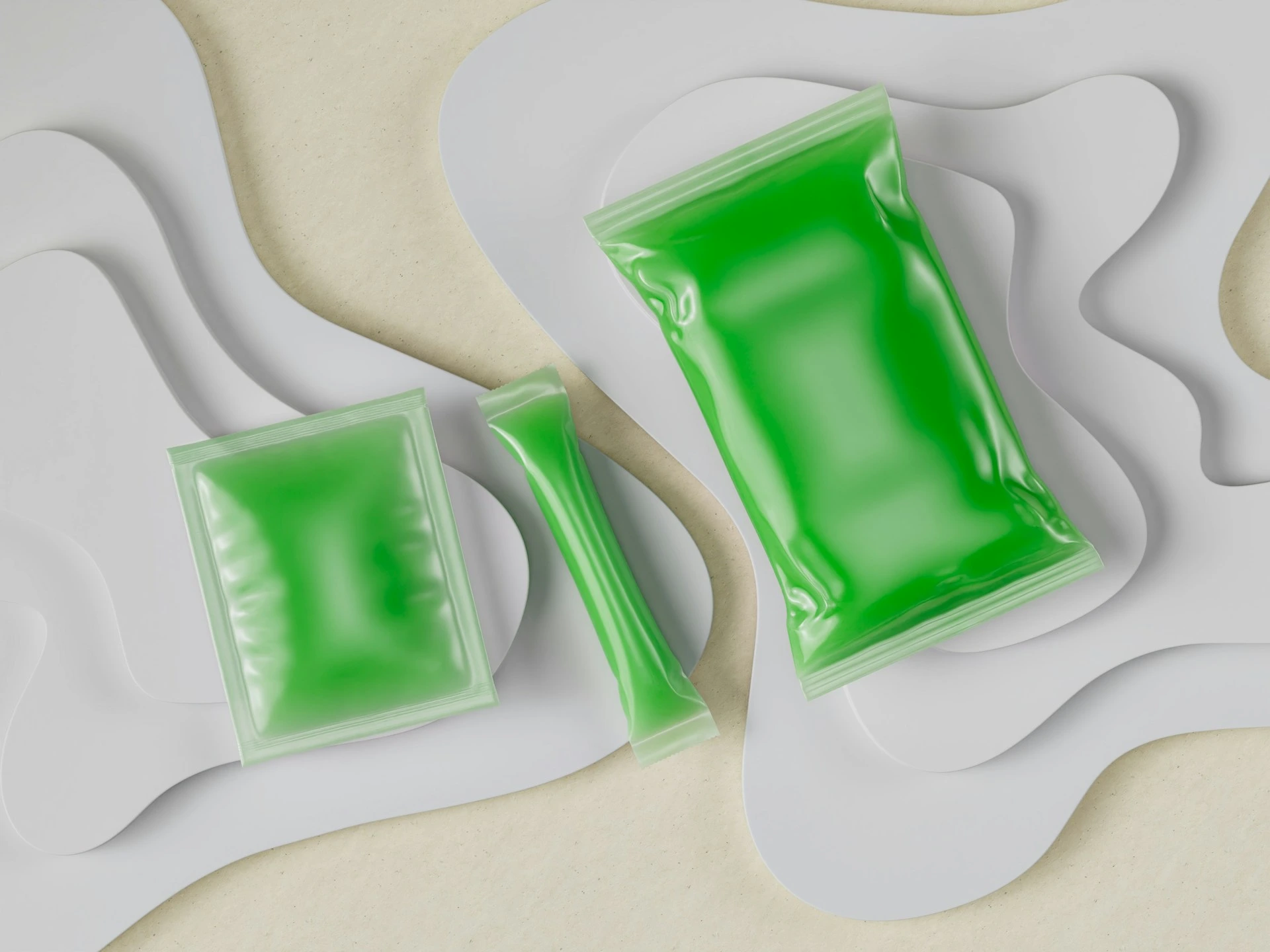

Lube sachets don’t get nearly enough credit. For businesses that need clean, practical, easy-to-distribute product formats, healthcare, hospitality, events, retail sampling, a single-use sachet solves problems that larger containers often create. Measured portions. No handling headaches. No contamination concerns.
Single-use packaging has grown steadily across the UK, and the reason is pretty straightforward: people expect products to be easy to carry, store and use. That doesn’t mean everything needs a disposable format. But in the right setting? A sealed sachet genuinely earns its place.
Hygiene FirstAlways
When something gets applied directly to the body, hygiene isn’t a nice-to-have. It’s the whole point.
A sealed sachet cuts contamination risk almost entirely, each unit is opened once, used once, done. That matters in clinical spaces, professional environments or anywhere supplies are handled by multiple people throughout the day. Larger bottles still work in plenty of situations, but they need proper storage and careful handling. In a busy clinic or event venue, that’s not always realistic.
There’s also a confidence factor worth considering. People feel better about a product they can see is sealed and untouched. For personal care items especially, that small visual cue shifts the experience in a meaningful way.
Portion Control: Less Mess, Less Waste
Here’s a practical win that often gets overlooked. Portion control.
Each sachet holds a measured amount, which prevents overuse and cuts down on mess. For businesses distributing at volume, hotels, subscription boxes, sample campaigns, event kits, that consistency matters. You know exactly how many units you have and how fast they’re moving. Stock planning gets simpler.
And while sachets are single-use, they can actually reduce product waste in contexts where a larger container would be opened, used once and then discarded anyway for hygiene reasons. Not perfect, but worth factoring in.
Packaging Has to Fit the Setting
Not all lube sachets are doing the same job. Some sit quietly in medical kits. Others front retail shelves with bold branding. The right format depends on volume, labelling needs, storage conditions and who’s actually opening it.
Presentation matters too, probably more than people admit. A sachet in a care environment needs a clean, no-fuss design. A retail sample needs branding that speaks to the buyer. Instructions and ingredient information should be clear and responsible. No exaggerated claims. No confusing wording.
Distribution Gets Dramatically Easier
Sachets are lightweight, compact and easy to count and that combination makes fulfilment significantly simpler.
Posting them? Easy. Packing them into welcome kits or event supplies? Easy. Keeping a stock of them behind a hotel reception or in treatment rooms? Also easy. Smaller units reduce leakage concerns, simplify packing and make it practical to offer products as samples or add-ons without committing to large format stock.
That last point is worth pausing on. Sampling is genuinely powerful. Letting a customer try before they buy, with no waste and no risk, removes friction from the purchase decision.
One Caveat Worth Naming
Single-use anything deserves careful thought. Convenience shouldn’t come at the cost of responsibility.
Businesses using sachets should manage stock sensibly, avoid over-distribution and choose formats that serve real use cases rather than just defaulting to disposable because it’s easy. Used thoughtfully, sachets support both hygiene and efficiency. Used carelessly, they’re just more waste.
The strongest packaging decisions aren’t really about appearance. They’re about how people actually use the product: how it’s stored, how it reaches the end user and how confident that person feels the moment they open it.
Get those things right, and the format takes care of itself.

