
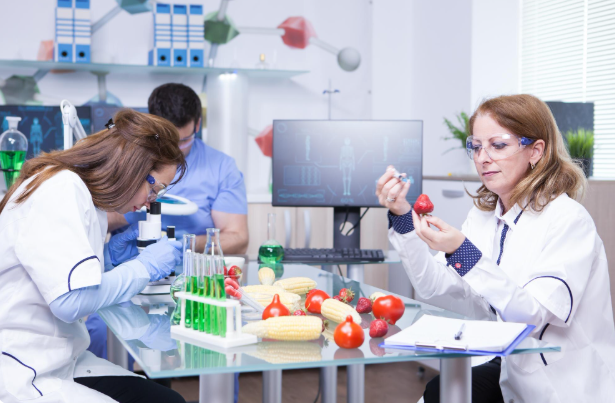

A number of volunteers are seated peacefully at a large table in a well-lit laboratory kitchen at a medical research facility. Everybody has received the same breakfast, which consists of coffee, fruit, and oats. However, the experiment being conducted here indicates that this seemingly straightforward breakfast may have drastically diverse effects on every body. A little increase in blood sugar will be experienced by some subjects. Sharp spikes will be visible to others. Within an hour, some may even experience hunger or sluggishness once more.
For many years, dietary recommendations thought that these variations were largely insignificant. Most individuals would essentially follow the same guidelines: eat veggies and stay away from excessive sweets. However, researchers studying metabolism and nutrition are starting to believe that this one-size-fits-all reasoning was never totally correct. Researchers are now able to go deeper thanks to artificial intelligence.
Key Information About AI-Driven Personalized Diet Research
| Category | Information |
|---|---|
| Scientific Field | Nutritional Science |
| Technology Used | Machine Learning and AI health analytics |
| Key Health Conditions Studied | Type 2 Diabetes and Irritable Bowel Syndrome |
| Data Sources | Blood glucose levels, gut microbiome data, lifestyle tracking |
| Research Findings | Up to 72.7% diabetes remission in some trials and significant IBS symptom reduction |
| Research Methods | Randomized controlled trials and clinical observational studies |
| Core Idea | Personalized dietary recommendations based on individual biology |
| Reference Website |
Nutritional science teams at universities and medical labs are employing AI technologies to find trends in massive datasets, including daily meal diaries, wearable sensor data, microbiome samples, and blood tests. Determining why two persons eating the same meal can have entirely different metabolic results is the surprisingly simple task. It’s possible that biology, which we little understood until recently, holds some of the key to the solution.
Think about the intricate community of bacteria that reside inside the digestive system, known as the gut microbiome. These microorganisms affect the body’s ability to digest nutrients, control inflammation, and even regulate hunger, according to research. Similar to a biological fingerprint, the microbial composition differs greatly among individuals. Making sense of that complexity has proven especially easy for artificial intelligence.
Researchers may examine thousands of variables at once using machine learning approaches, including genetics, lifestyle choices, microbiome profiles, sleep patterns, and levels of physical activity. Combining these data sets enables algorithms to forecast the potential effects of particular foods on an individual’s metabolism.
Promising outcomes are starting to emerge from clinical trials. AI-generated diet regimens have significantly improved blood sugar control in patients with Type 2 diabetes. In groups under close observation, several trials even reported remission rates higher than 70%.
At first look, the number seems astounding, and experts are still careful not to interpret it too widely. However, the data suggests that in some circumstances, tailored dietary recommendations might be more effective than conventional nutritional recommendations. For intestinal issues, the findings are equally fascinating.
Irritable bowel syndrome patients frequently experience erratic symptoms, such as discomfort, bloating, and digestive distress that can worsen after eating particular foods. Conventional diets intended to alleviate those symptoms usually entail extensive limitations.
AI-powered systems adopt a more customized strategy. Researchers have observed symptom reductions of up to 40% in certain clinical trials by examining individual reactions to particular diets. The improvement may seem substantial to those who have experimented with elimination diets for years. Artificial intelligence is not, of course, taking the place of human judgment in the medical field.
Physicians continue to evaluate the information, track the development of their patients, and modify their recommendations. However, AI serves as a potent analytical collaborator by spotting minute trends that could otherwise go unnoticed. “It’s like having a nutritionist who has read every metabolic study ever published,” one researcher said of the device. However, the concept of diets created by AI presents intriguing cultural issues.
Seldom is food merely fuel. It bears emotional weight—family rituals, comfort, joy. Based only on metabolic efficiency, a machine-generated food plan can suggest particular grain, protein, and vegetable combinations. However, human eating patterns seldom adhere to this kind of professional reasoning. Long-term behavior is another issue.
When implementing new AI-generated meal plans, some participants in dietary trials reported moderate side effects as weariness or intestinal changes. Others just had trouble adhering to rigorous guidelines in their daily lives. Human routines are messy, but algorithms are accurate.
Dietary recommendations, such as suggested daily intakes, universal calorie standards, and broad food pyramids, were based on population averages throughout a large portion of the twentieth century. AI techniques are starting to cast doubt on that concept, indicating that individual differences in ideal diets may be significant. The ramifications can go well beyond personal health.
Personalized diet may someday be used by hospitals to better manage chronic illnesses. Instead of using general calorie counts, fitness programs might customize meal plans depending on metabolic responses. Apps that suggest foods based on a user’s biology may even alter supermarket shopping. Many scientists, however, advise patience.
Although encouraging, the existing research used controlled conditions and rather modest study sizes. Long-term consequences are still unknown. Human metabolism is complicated, influenced by behavior, culture, and environment in addition to biology.
However, it’s hard not to sense that something significant is happening as you watch participants complete their meal in that study kitchen as sensors silently record physiological reactions.

