

They left behind footprints that will probably outlive all of Earth’s contemporary buildings. The Apollo era’s Moon astronauts were more than just explorers; they were proof of what transpired when necessity and creativity came together. The imagination persisted, but the urgency diminished.
Despite having quite different personalities, the twelve men who set foot on the moon between 1969 and 1972 have disturbingly similar features. The majority were selected for their ability to maintain composure under duress and adhere to protocol with surgical precision. They were trained as test pilots in the military. Every one of them, however, added something wholly human to the lunar surface’s quiet.
In a silent defiance of gravity and expectations, Neil Armstrong stepped off the Eagle. Buzz Aldrin, a highly analytical mind captivated by orbits and calculations, came after, but not as a supporting actor. Later came guys like Alan Shepard and Pete Conrad, some of whom were stoic, others of whom were lighthearted, and all of them were altered by their journeys and the way they perceived Earth fading away behind them.
There was an abnormally extended period of stillness following Apollo 17 in 1972, lasting for decades. A collective change in aspirations in recent years, however, has led us back toward the Moon with significantly improved diversity and new priorities. The most recent chapter is Artemis II, NASA’s first crewed mission close to the Moon in more than 50 years.
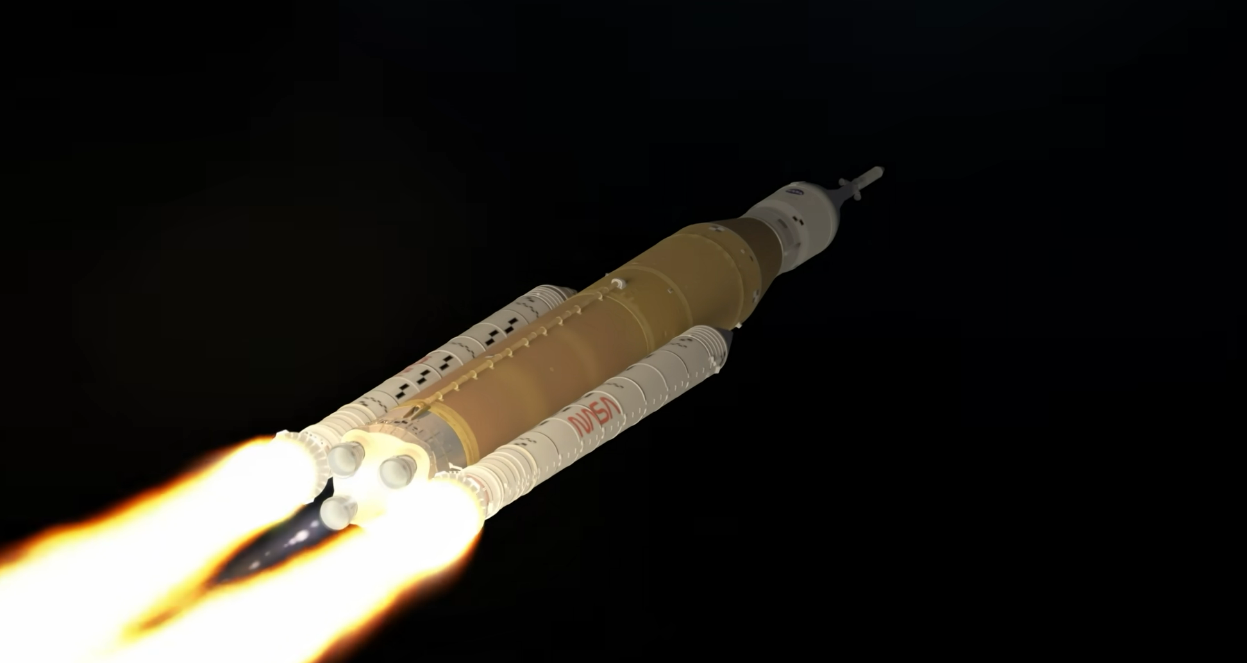
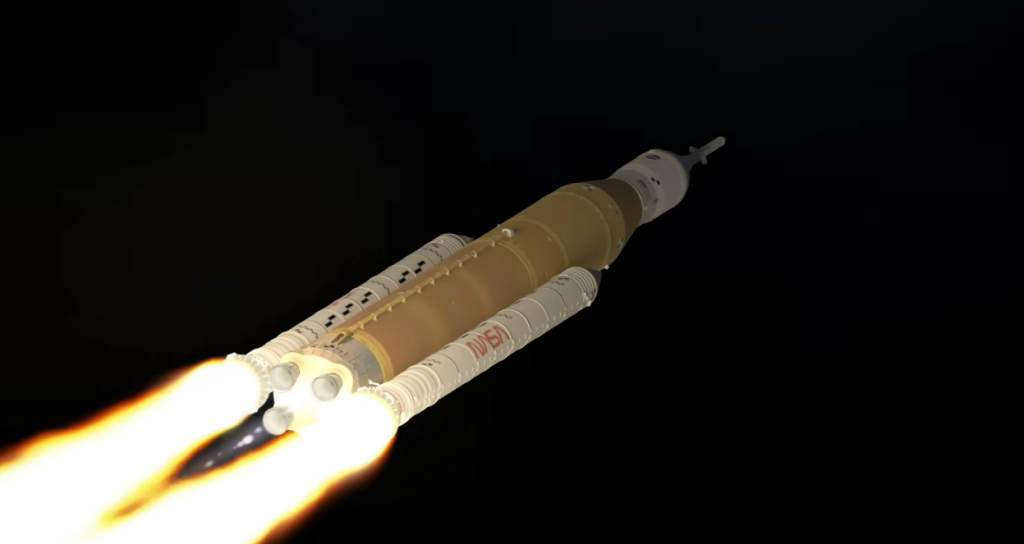
Situated atop the Space Launch System, the most potent rocket ever built, four astronauts will board the Orion spacecraft. Currently scheduled for February 2026, the launch is the initial stage of a larger plan for long-term lunar presence and future human expeditions to Mars. The crew members’ names—Commander Reid Wiseman, Pilot Victor Glover, Mission Specialist Christina Koch, and Canadian astronaut Jeremy Hansen—already mark a turning point.
| Key Fact | Detail |
|---|---|
| First Moon Landing | July 20, 1969 (Apollo 11) |
| Total Moonwalkers (Apollo era) | 12 |
| Most Recent Moon Mission | Scheduled: Artemis II (February 2026) |
| Artemis II Crew | Reid Wiseman, Victor Glover, Christina Koch, Jeremy Hansen |
| Milestones Expected (Artemis II) | First woman, first Black astronaut, first Canadian to orbit the Moon |
| Duration of Artemis II | ~10 days (Free-return trajectory around the Moon) |
| Reference | NASA Artemis Program |
This crew’s makeup is really creative—intentionally. A quiet powerhouse and former electrical engineer, Koch was on board the ISS for almost a year. Glover will become the first Black astronaut to orbit the moon. Glover is renowned for his calm leadership and ability to think clearly. As a product of Canada’s partnership with NASA, Hansen is a symbol of both capability and teamwork. Wiseman provides the mission’s experienced balance as a former Navy captain and test pilot.
At least not just yet, they won’t be landing. A test site is Artemis II. Without the need for significant course changes, the mission uses a free-return route, which circles the Moon and brings the spacecraft back to Earth. It is a crucial test of life-support, communication, and navigation systems before any boots contact the regolith once more. It is an extremely efficient design in terms of engineering and safety tolerances.
The trajectory has an attractive quality by nature. Throwing a boomerang into space and hoping it would come back is like that. This elegance, however, has a risk. An issue with the Orion spacecraft’s environmental control systems has been brought to light by critics. However, NASA has drastically decreased such hazards by using thorough simulations and strict redundancy. For them, managing possibility is more important than striving for perfection.
The look between two astronauts as they talked about backup plans during a recent Artemis press conference was more striking to me than the science. It wasn’t alarm. It was dedication, the kind that only intensifies with time.
Today, the Moon is more than simply a place to visit. It is a representation of readiness and return. In addition to differences in gender and location, Artemis and Apollo have different goals. It isn’t a race this time. Global collaborations, sustainable science, and equitable access to space form its foundation.
With the inclusion of a Canadian astronaut in Artemis II, NASA is sending a very powerful message: collaboration, not rivalry, leads to development. More than flags and patches, trust is at the heart of Hansen’s voyage. Boots-on-the-ground integration of Canada into deep space operations is an extension of the same trust that gave rise to the Canadarm, a mainstay of shuttle-era missions.
It is possible that Artemis III, scheduled for the late 2020s, will be the first woman and person of color to set foot on the moon. Naturally, that relies on Artemis II’s performance. Not only will engineers examine every dial and sensor, but entire agencies putting their trust in these four travelers will do the same.
This is not nostalgia cloaked in advancement. It is a return that is motivated by potential and grounded on data. The message for young engineers seeing the countdown start is unambiguously positive: There is still hope for distant soil.
Communication throughout the Apollo missions was intermittent and sluggish. The Artemis team will now share Earthrises and inside footage in almost real time via high-resolution video streaming. However, despite the technological advancements, one emotional constant endures: the Moon still has gravity, both literally and figuratively.
Poetry and science have always been combined to create its allure.
We are reminded that exploration is far from over as Artemis II approaches liftoff. Every time a new voice enters the discourse and a barrier is not only tested but also redefined, this impulse is replenished.
Even in 2026, that stillness won’t be nothingness when the capsule arcs behind the far side of the Moon, out of communication range. This will be an intentional moment. Before mankind speaks again, there is a silence.

