
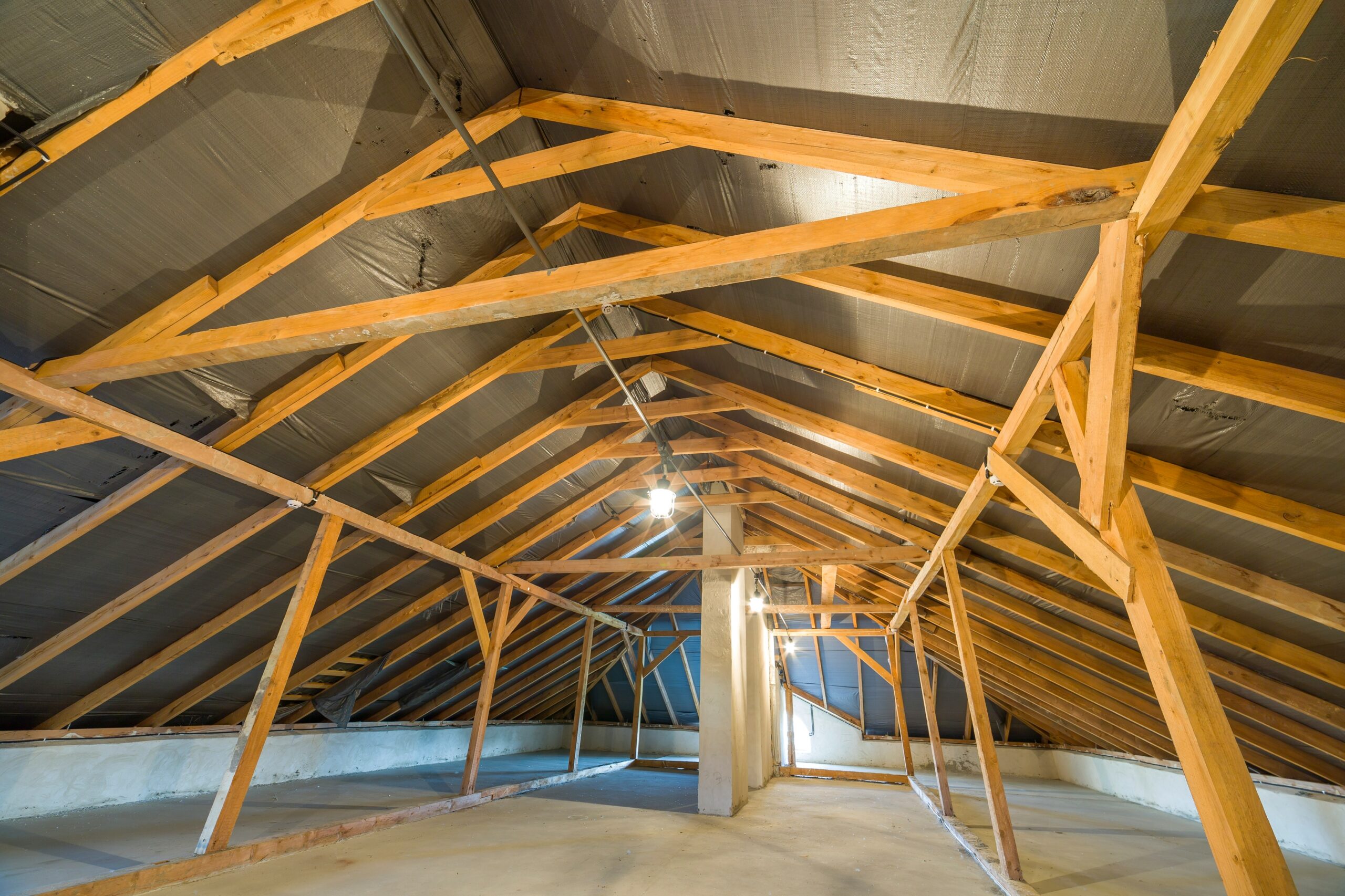

Loft conversions are one of the most popular ways homeowners add space and value without extending their property’s footprint. Turning an unused loft into a bedroom, office, or living area can be both practical and cost-effective, but not every roof is immediately suitable for conversion.
Before drawing up plans or setting a budget, it’s important to understand how your roof’s structure affects feasibility, cost, and design options. Roof type is often the single biggest factor in determining whether a loft conversion is straightforward or complex.
Why Roof Structure Matters
A loft conversion relies on the existing roof space to create a safe, usable room. Factors such as head height, pitch, and internal framework all influence how much work is required to achieve this.
Some roofs naturally provide generous internal space, while others may need structural alterations before they can be converted. Understanding these limitations early helps homeowners set realistic expectations and avoid unexpected costs later in the project.
Common Roof Types Found in Homes
Most residential properties fall into a small number of roof structure categories, each with its own implications for loft conversions.
Traditional cut roofs are typically found in older properties. These roofs use rafters and joists rather than prefabricated trusses, often leaving a more open internal space. This usually makes them easier and more cost-effective to convert.
Trussed roofs, common in homes built from the 1960s onwards, use W-shaped support beams designed to maximise strength while minimising materials. While these roofs can be converted, they usually require additional structural work to remove or reinforce existing supports.
Flat roofs are sometimes found on extensions or certain modern designs. These can be more challenging due to limited head height, but conversions are still possible with the right design approach.
Head Height and Roof Pitch Considerations
One of the first technical checks for any loft conversion is available head height. In general, there needs to be sufficient vertical space to create a comfortable living area once new floors and insulation are installed.
Roof pitch also plays a role. Steeper roofs tend to provide more usable space, while shallow pitches can limit layout options. In some cases, roof alterations such as dormers or hip-to-gable conversions are used to increase headroom and improve functionality.
These modifications can significantly change both the cost and complexity of the project, so they should be factored in from the outset.
Planning Permission and Structural Changes
Many loft conversions fall under permitted development rights, meaning planning permission is not always required. However, this depends on the extent of the work and whether the roofline is being altered.
Structural changes, such as adding dormers or raising the roof, may trigger planning requirements. Properties in conservation areas or those with specific restrictions may also face additional controls.
Even when planning permission is not needed, building regulations still apply. These cover structural integrity, fire safety, insulation, and access, ensuring the conversion is safe and compliant.
How Roof Type Affects Cost
Roof structure has a direct impact on the overall cost of a loft conversion. Simpler conversions within existing roof space are generally more affordable, while projects that involve significant structural changes will increase costs.
Trussed roofs, for example, often require steel supports and redesign of internal load paths, which adds to labour and materials. Alterations to roof shape can also extend timelines and increase complexity.
Understanding these variables early allows homeowners to balance ambition with budget and decide whether the investment aligns with their long-term plans.
Assessing Roof Types Suitable for Loft Conversions
Because roof structure plays such a critical role, many homeowners find it useful to review guidance on roof types suitable for loft conversions before committing to a project. This helps clarify what’s possible, what modifications may be required, and how different roof designs influence layout and cost.
Having this knowledge upfront makes conversations with designers and builders far more productive and reduces the risk of surprises once work begins.
Getting Professional Advice Early
While online research is helpful, no two properties are identical. Factors such as age, construction method, and previous alterations all influence suitability.
A professional survey or feasibility assessment can confirm whether a loft conversion is viable and identify any structural challenges. This step is particularly important for homeowners considering major roof alterations or working within tight space constraints.
Early advice also helps ensure that designs comply with regulations and make the most efficient use of available space.
Final Thoughts
Not every roof is immediately ready for a loft conversion, but many can be adapted with the right approach. Understanding your roof’s structure, head height, and limitations is the foundation of a successful project.
By assessing suitability early and seeking professional guidance, homeowners can make informed decisions, manage costs, and unlock the full potential of their loft space.

