
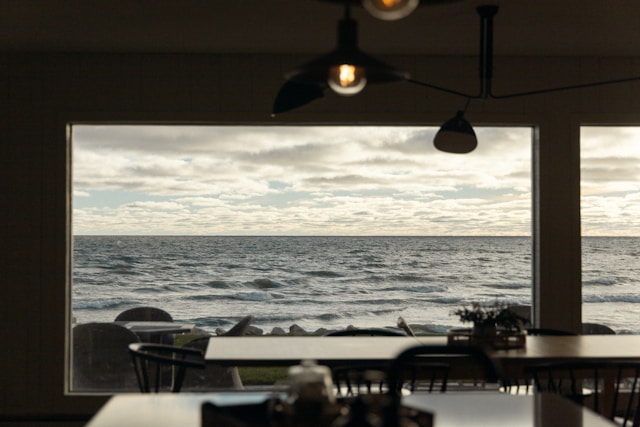

The picturesque views and serenity of living by the water are second to none. On the other hand, homeowners face greater maintenance challenges than landlocked homeowners. The unique challenges of living by the coast and lakes are taking care of significant investments and considering the protective measures during the building process. Knowing the maintenance requirements of lakes and coasts is important to keeping the property for an extended time and preserving the value.
The Effects of Environmental Factors on the Coast
The proximity to water, salt, and damping air creates a home environment of disintegration that is noticeable and can be shocking for the best of homeowners. From building materials to faster disintegration of paint, there are several problems that arise and possibly put a home without a water proximity out oaf reach for the average customer. The National Association of Builders claims that waterfront property maintenance costs and the costs associated with building are incredibly down as much as the cost of interior building maintenance.
The environment around salt water is hazardous and extreme. This is why homes and properties that are situated directly near lakes often face even greater challenges, which is equally due to the dangers presented by the lakes and the elevated humidity that is often present, as well as the dangers of seasonal flooding. The expectation to repaint surfaces is usually within ten years for homes and is even greater than average where homes are inland. Painting homes is said typically to be a 3 to 5 year expectancy average about four to six years, and even homes that are situated inland paint surfaces every ten or so years.
Safeguarding Your Investment with Inspections
As a waterfront homeowner, creating an inspection schedule is essential. With a focus on seasonal visual inspections, look for Concerning water damage, foundation movement, and structural issues. Water tends to accumulate in certain areas, including deck supports, dock pilings, and basement walls.
An annual inspection is recommended, and it is advised that these inspections be conducted by waterfront property specialists as they understand coastal construction and the issues that arise before they escalate into costly emergencies. If you have a seawall or bulkhead, a foundation inspection is warranted to ensure the integrity of the structure.
Maintenance of Vital Shoreline Structures
Your property’s edge along the water is a critical area that needs careful attention. Seawalls, bulkheads, and retaining walls, while protecting your property from erosion and damage from water, do not last forever. These structures need to be replaced or repaired every 20 to 50 years depending on the construction materials and their construction. Extreme weather can shorten that time frame.
Evaluation of protective barriers can halt significant damages to structures and loss of valuables. Among the Signs of Seawall Failure are sinkholes or erosion at the waterline, water intrusion at the joints, soil erosion behind the wall, and any tilt, or lean of the wall, and cracks in the wall. Such signs call for professional servicing before total wall collapse.
The key to prolonged operational longevity of any waterfront infrastructure is routine upkeep. Regular removal of plant life and filling of cracks, along with cleaning of weep holes, can extend the life of your seawall significantly. Studies show a 25% to 40% improvement in years of usable life of structures along with a reduction in total life cycle costs.
Moisture and humidity control
Moisture control within your home is a continual concern for any waterfront property. Mold and structure damage can occur when humidity levels exceed 50%. To control this, dehumidification systems will need to be installed.
Installing a whole-house dehumidifier system means you can control moisture levels throughout your home. This system costs between $1,300 and $2,800, depending on your home’s specifications, but can save you tens of thousands by eliminating/remediating mold and repairing structures. In addition, any moisture control system can use bathroom, kitchen, and crawl space ventilation and exhaust fans with direct outside venting (not attic venting) for moisture elimination and removal.
Weatherproofing and Material Selection
The type of materials you choose for repairs and renovations can greatly affect future maintenance. For any construction within a coastal environment, at a minimum, use stainless steel screws, marine lumber, and non-corrosive metals. While that can be 20% to 40% more expensive than standard materials, they will last significantly longer in hazardous coastal conditions.
With regards to initial cost and continued maintenance, windows and doors that face the water will be the windows and doors that will face the water. Impact windows (also called storm or hurricane windows) for coastal areas offer better insulation and noise control windows. In humid climates, weathers strips that are found in storm windows will need to be replaced every 2 to 3 years compared to the industry standard of 5 to 7 years.
Landscaping Considerations
Landscaping at the water’s edge can be a good erosion control/maintenance and protection technique. Use native plants, especially with a coastal adaptation to reduce maintenance. Use deep-rooted plants to stabilize soil and reduce erosion. This will protect your shoreline.
Your structure will be less exposed to salt spray if you create buffer zones between your house and the water. In addition to providing added privacy and increased value to your property, the strategic placement of salt-tolerant trees and shrubs will act as an additional buffer.
Flooding, high winds, and other severe weather events pose a significant risk to waterfront properties. This includes tying down loose items, putting up storm shutters, clearing and maintaining drain paths, and keeping a list of emergency contacts for specialized contractors who work on the property during storms. Having a storm preparedness “ plan on file is always a good idea.
Peace of mind is a big benefit of maintaining your waterfront property. This kind of property maintenance also keeps the value from going down, and saves on emergency repairs. For the amount of work involved, you are given the luxury of expecting to enjoy your waterfront property for many years.

