
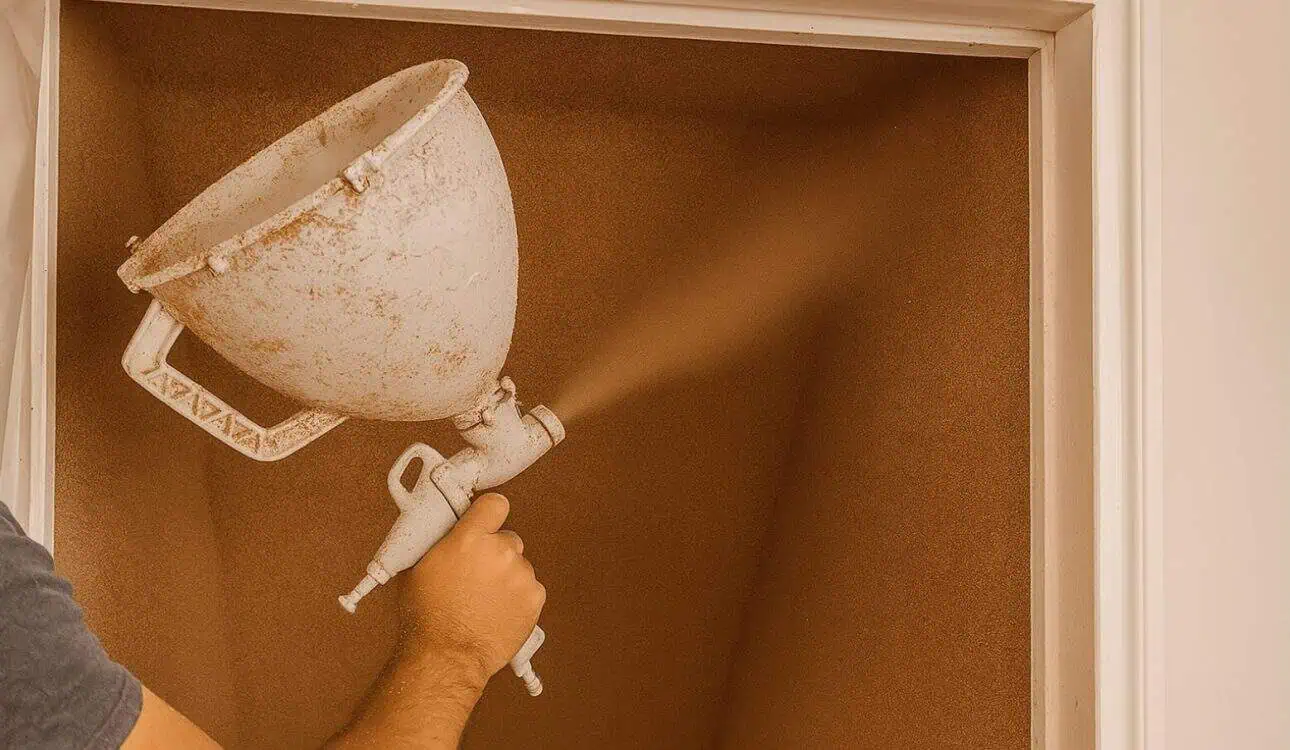

Improving home insulation is one of the most effective ways to reduce energy bills, increase comfort, and lower a property’s environmental impact. In recent years, spray-applied insulation systems have grown in popularity thanks to their ability to seal gaps, reduce heat loss, and improve overall thermal performance.
Two options that homeowners often compare are spray foam insulation and spray cork insulation. While both are applied in liquid form and expand or set in place, they differ significantly in composition, performance, and long-term suitability. Understanding these differences can help homeowners make a more informed decision.
Why Spray Insulation Is Gaining Popularity
Traditional insulation materials such as mineral wool and rigid boards can be effective, but they often struggle to address air leakage around gaps, joints, and irregular surfaces. Spray insulation products are designed to overcome this issue.
When applied, spray insulation forms a continuous layer that adheres to surfaces and fills small voids. This can improve airtightness, reduce drafts, and help maintain more consistent indoor temperatures throughout the year.
Because of these benefits, spray insulation is increasingly used in both new builds and retrofit projects where energy efficiency is a priority.
What Is Spray Foam Insulation?
Spray foam insulation is typically made from polyurethane-based materials. Once applied, it expands rapidly and hardens, creating a dense insulating layer.
There are two main types of spray foam: open-cell and closed-cell. Open-cell foam is lighter and more flexible, while closed-cell foam is denser and offers higher insulation values per thickness.
Spray foam is known for its strong insulating performance and ability to seal air leaks effectively. However, it also comes with considerations around breathability, moisture control, and environmental impact, which homeowners should factor into their decision.
What Is Spray Cork Insulation?
Spray cork insulation is made from natural cork granules combined with water-based binders. Cork is harvested from the bark of cork oak trees, making it a renewable and environmentally friendly material.
Unlike traditional spray foam, spray cork does not expand aggressively. Instead, it forms a flexible, breathable coating that provides thermal insulation, acoustic benefits, and weather protection.
Spray cork is often used externally but can also be applied internally in certain situations. Its flexibility allows it to accommodate minor building movement without cracking, which can be beneficial for older properties.
Key Differences Between Spray Cork and Spray Foam
One of the biggest differences between these materials is breathability. Spray cork allows moisture vapour to pass through, helping buildings regulate humidity naturally. Spray foam, particularly closed-cell foam, is far less breathable and can trap moisture if not installed correctly.
Environmental impact is another key factor. Spray cork is made from natural materials and has a lower environmental footprint. Spray foam is synthetic and energy-intensive to produce, which may concern homeowners focused on sustainability.
Durability and maintenance also differ. Spray cork remains flexible over time and is resistant to cracking and degradation from UV exposure. Spray foam is highly durable but can be more difficult to modify or remove once installed.
For a detailed breakdown comparing spray cork and spray foam insulation, including performance, longevity, and suitability for different property types, homeowners should review a dedicated comparison guide before committing to either option.
Cost Considerations and Long-Term Value
Upfront costs can vary depending on the size of the property, application method, and access requirements. Spray foam often delivers strong insulation values in thinner layers, which can be advantageous where space is limited.
Spray cork may come at a comparable or slightly higher initial cost in some cases, but it offers additional benefits such as weatherproofing, sound insulation, and long-term flexibility.
When assessing value, it’s important to consider not just installation cost, but also lifespan, maintenance requirements, and potential impact on the building’s structure and indoor air quality.
Choosing the Right Insulation for Your Home
There is no one-size-fits-all solution when it comes to insulation. The right choice depends on factors such as property age, construction type, moisture levels, and environmental priorities.
Homes that require breathability and natural moisture regulation may benefit from spray cork, while projects focused on maximum thermal resistance in confined spaces may lean towards spray foam.
Professional assessment is essential to ensure the chosen system is appropriate for the building and installed correctly.
Final Thoughts
Both spray cork and spray foam insulation offer clear advantages over traditional insulation methods, but they serve different needs. Understanding how each material performs, how it interacts with a building, and what long-term implications it carries is key to making the right decision.
By weighing performance, sustainability, and suitability, homeowners can choose an insulation solution that improves comfort, reduces energy use, and protects their property for years to come.

